1990 • 1991 • 1992 • 1993 • 1994 • 1995 • 1996 • 1997 • 1998 • 1999 * Indicates that the film/performance was not nominated for an Academy Award in this category
1990
Dances
With Wolves
Actor: Jeremy Irons (Rehearsal of Fortune)
Actress: Kathy Bates (Misery) Supporting Actor: Joe Pesci (GoodFellas) Supporting Actress: Whoopi Goldberg (Ghost) Director: Kevin Costner (Dances With Wolves)
GoodFellas
Actor: Gérard Depardieu (Cyrano de
Bergerac)
Actress: Kathy Bates (Misery) Supporting Actor: Joe Pesci (GoodFellas) Supporting Actress: Glenn Close (Hamlet)* Director: Martin Scorsese (GoodFellas)
Dances
With Wolves, Kevin Costner's overwhelmingly popular revisionist
western, bulldozed its way over all comers in 1990, receiving
twelve nominations and seven Oscars. That one of those nominations
went to Costner's typically wooden performance as a former
Cavalry officer who "goes injun" after being adopted
by a band of Lakota Sioux that are so kindhearted and pacifistic
that they seem more like a hippie commune than a tribe of
Native Americans was a clear indication that the Academy was
so taken in by this somber film's self-righteous political
correctness that they wanted to throw as many honors at it
as possible. But with the passage of almost three decades, the Academy's
devotion to Dances With Wolves now seems like an act
of contrition to the Sacheen Littlefeather mentality because
while the film undeniably has some effective elements (the
celebrated buffalo hunt sequence is very exciting indeed),
it is so permeated by a sense of its own self importance that
it hard to watch with a serious eye. To be sure, it isn't
any more one-sided or dishonest than all those John Wayne
movies that depict the white man as well-meaning pioneers
bringing civilization to an untamed land and the Indians as
brutal savages, but the Academy generally turned its nose
up at such racially simplistic drivel in the past.
Simplistic
is hardly the word for GoodFellas, Martin Scorsese's
brilliant depiction of mobster-turned-stoolie Henry Hill's
chronicle of his days in the Mafia; a seeming response to The Godfather saga, whose epic characters are depicted
as major players on the world political stage, the made men
of GoodFellas are concerned with nuts and bolts problems
like unloading the contents of a rerouted cigarette truck
or disposing of the carcass of a pesky competitor with quicklime
(issues that Michael Corleone never had to soil his silk suit
with).
Worst Award
Martin
Scorsese has been nominated for Best Director six times and
Best Adapted Screenplay twice before finally winning the directing
Oscar for The Departed in a selection largely effected
by sentimentality. He was always overlooked for his greatest
work, failing to receive nominations for Mean Streets and Taxi Driver and losing the Oscar for his masterpieces Raging Bull and GoodFellas to movie stars making
their directorial debuts with heavy-handed dramas. Robert
Redford's output as a director has been a reasonably honorable
follow-up to his Oscar-winning debut for Ordinary People,
with somber films like A River Runs Through It, The Horse
Whisperer and the Oscar-nominated Quiz Show providing
some intensely watchable sequences despite a cloying sense of
self importance and prettified presentation that frequently
undermines the films' best intentions. Far less successful has
been the directorial career of Kevin Costner, who waited
seven years before making the follow-up to his his own overrated
directorial debut. The vehicle he chose was the fiasco The
Postman, which not only blew the lid off Costner's reputation
as a director but derailed his acting career (Costner was rumored
to have directed the last two weeks of his other megabomb, Waterworld,
after credited director Kevin Reynolds walked off the film).
Costner tried to redeem himself with one last stab at directing
with the satisfying 2003 western Open Range, but by that
time no one cared any more.
Biggest Oversight
Director
Franco Zeffirelli stunned the movie world in 1989 by announcing
that he was making a film version of Shakespeare's Hamlet starring action megastar Mel Gibson, an actor whose only previous
Shakespearean experience was playing Romeo in an Australian
production years previously. Gibson surprised critics by delivering
a creditable, if uninspired, performance; aided in no small
way by Zeffirelli's screenplay which brilliantly condenses the
massive play far more effectively than Laurence Olivier's Oscar-winning
film (although the highlight of the Olivier film - the duel
in Act V - is the low point of the Zeffirelli version, with
Gibson embarrassing himself by stomping and hooting at the stunned
Laertes as though he were taunting Joe Pesci in a Lethal
Weapon movie). Zeffirelli also had the good sense to surround
Gibson with a brilliant supporting cast, most memorably with
inspired turns by Helena Bonham Carter as Ophelia, Paul Scofield
as the Ghost and best of all Glenn Close in a towering
performance as a childlike Gertrude. Close is only nine years
older than the actor playing her son, but such chronological
nitpicking never enters the mind as one is riveted by the actress'
sensitivity and imagination as one of Shakespeare's great tragic
heroines.
The
Silence of the Lambs
Actor: Anthony Hopkins (Silence of the Lambs)
Actress: Jodie Foster (Silence of the Lambs) Supporting Actor: Jack Palance (City Slickers) Supporting Actress: Mercedes Ruehl (The
Fisher King) Director: Jonathan Demme (The Silence of the Lambs)
The
Silence of the Lambs
Actor: Nick Nolte (The Prince of Tides)
Actress: Jodie Foster (Silence of the Lambs) Supporting Actor: Michael Lerner (Barton Fink) Supporting Actress: Mercedes Ruehl (The Fisher King) Director: John Singleton (Boyz N the Hood)
1991
was such a weak year for movies that the Academy resorted
to measures that they had never gone to previously, naming
the feature length cartoon Beauty and the Beast as
one of the Best Picture nominees in order to round out the
field. Disney's delightful retelling of the classic fairy
tale was one of the studio's greatest achievements, but the
fact that it received a nomination when such timeless classics
as Snow White and the Seven Dwarves, Pinocchio, Bambi,
The Little Mermaid or The Lion King were never
even considered for the top award is far more indicative of
the slim pickings in this year than of the singular contributions
of Beauty and the Beast to the art of animation (as
notable as they were). With so little to pick from, its understandable
that the Academy chose to honor the gruesome but compelling
thriller, The Silence of the Lambs. In a stronger year, The Silence of the Lambs would usually be the type
of film that was relegated to technical awards (if any), although
there is no denying that the film is brought into a level
beyond the depth of most thrillers through the complex performance
of Jodie Foster and the electrifying presence of Anthony Hopkins
as the screen's most famous cannibal-psychiatrist.
Worst Award
Anthony
Hopkins was on screen for all of eighteen minutes in his
most famous performance as Hannibal "The Cannibal"
Lechter in Silence of the Lambs and made the most of
it by providing some of the screen's most unforgettable and
terrifying images, largely by maintaining a chilling stillness.
But as memorable as Hopkins was in the role, his Oscar win was
harshly criticized at the time not only for the brevity of his
appearance, but because many felt that it was accomplished as
much through clever lighting and editing as anything contributed
by the actor. And as effective as Hopkins is as Lechter, the
role provides almost no insight to his bizarre behavior and
doesn't challenge the actor to do any more than deliver all
his lines in a creepy monotone. To be sure, 1991 was not a stellar
year for male performances and most of Hopkins' competition
- Warren Beatty in Bugsy, Robert De Niro in Cape Fear and Robin Williams in The Fisher King - were unexceptional
exhibitions that were only in the running because the Academy
required five nominees. But the performance of Nick Nolte in
Barbra Streisand's flawed film of Pat Conroy's novel The
Prince of Tides represented not only the finest work of
that actor's checkered career, but the outstanding performance
of any actor in 1991.
Biggest Oversight
Barton
Fink won the Golden Palm at the 1991 Cannes Film Festival
in addition to awards for Best Director for Joel Cohen and Best
Actor for John Goodman (the first film to be so honored), as
well as winning awards from the New York Film Critics for Judy
Davis for her touching performance as playwright-turned-screenwriter
Fink's would-be muse and the Los Angeles Film Critic Award for
Michael Lerner's inspired send-up of MGM head Louis B. Mayer
in the person of studio boss Jack Lipnick. But the real genius
of the film is Joel Coen and Ethan Coen's brilliant screenplay,
which starts out as a clever satire on 1930s Hollywood and ultimately
evolves into an absurdist nightmare. In the Best Original Screenplay
category, the Academy nominated some startlingly unoriginal
screenplays - James Toback's Bugsy, Lawrence Kasdan and
Meg Kasdan's Grand Canyon, and winner Callie Khouri's Thelma & Louise. The Oscars have always preferred
the safety of mundane formalism to any type of risk and the
outrageous screenplay for Barton Fink was undoubtedly
too unconventional for the tastes of the Academy membership.
But screen Barton Fink and Bugsy or Grand Canyon back-to-back some time and the audacity of the Coen brothers
will stay bouncing around your brain long after the conventional
plotting of the other films have crawled into a dusty corner
to fade away.
After
years of being taken for granted for outstanding films like High Plains Drifter, The Outlaw Josie Wales, Tightrope,
Bird, and Pale Rider, 1992 was the year that Clint
Eastwood got respect for the brilliant valedictory to his
career as a Western star, Unforgiven. Eastwood plays
William Munny, a once-brutal murderer who reluctantly goes
off to commit one final murder for money after years of trying
to find redemption as the pig farming father of two young
children. The role is a brilliant evolution of the character
he played in his spaghetti westerns of the 1960s, and his
presence in the film is arguably the best example in the history
of film of an actor's screen personae filling in a character's
background. But Unforgiven is much more than simply
a star vehicle for Eastwood to come full circle with his Western
image, providing an actor's field day with brilliant performances
by Gene Hackman (who won a richly-deserved Oscar for Best
Supporting Actor as a sadistic sheriff), Morgan Freeman, Richard Harris, and Frances Fisher. Unforgiven's chief competition in the
Oscar Derby was the compelling sex-change thriller The
Crying Game (a film whose head-spinning surprise plot
twist was betrayed by the nomination of Jaye Richardson in
the Best Supporting Actor category); but after that the competition
fell off drastically, with the Academy so desperate to fill
out the Best Picture field that they nominated the mundane
courtroom drama A Few Good Men (overlooking the far
more challenging Malcolm X). But on Oscar night it
was all about quality, with Eastwood finally getting his long-overdue
recognition.
Worst Award
Marisa
Tomei's Academy Award for her stereotypical performance
as a gangster's moll in the broad comedy My Cousin Vinny is generally considered the worst Oscar choice in recent memory,
particularly as it she was selected over four of the finest
actresses in the world (Judy Davis, Joan Plowright, Vanessa
Redgrave, and Miranda Richardson) for a performance that (although
highly amusing) was of no more quality than countless other
gangster moll send-ups. Tomei is a capable actress who has delivered
fine performances in films like Unhook the Stars, Slums of
Beverly Hills, In the Bedroom, The Wrestler and especially Before the Devil Knows You're Dead, but her Mona Lisa
Vito didn't offer anything different from what you might see
in your average network sitcom on any given night of the week.
Biggest Oversight
1992
was a fine year for non-English language films, and the five
the Academy selected were good ones: Close to Eden, Daens,
A Place in the World, Schtonk, and the winner Indochine.
The most popular foreign film in the United States was overlooked,
however:Like Water for Chocolate, director Alfonso
Arau's provocative drama of a young woman (beautifully played
by Lumi Cavazos) who is unable to marry her lover because of
her mother's insistence that her older sister marry first, forcing
the girl to use food as a supplement to her sexual frustration.
The Oscar snub of Like Water for Chocolate (which also
deserved nominations for Arau, Cavazos, Adapted Screenplay,
Cinematography and Art Direction) was particularly disappointing
after A Place in the World became the first film in Oscar
history to have its nomination taken away because it was discovered
that its Argentinean director Adolfo Aristarain was refused
by Argentina to have the film submitted as the country's official
entry for Best Foreign Language Film, so he had the film submitted
by his wife's homeland of Uruguay. It was a silly loophole (typical
of the political infighting that accompanies the Foreign Language
Film Oscar) that has since been closed, but it resulted in an
unfortunate episode that not only denied Like Water for Chocolate of the recognition it deserved, but so embittered Aristarain
that he refused to allow A Place in the World to be shown
in the United States until 1995, when it made a paltry $100,986
at the box office. Nobody won.
Schindler's
List
Actor: Tom Hanks (Philadelphia)
Actress: Holly Hunter (The Piano) Supporting Actor: Tommy Lee Jones (The Fugitive) Supporting Actress: Anna Paquin (The Piano) Director: Steven Spielberg (Schindler's List)
Schindler's
List
Actor: Anthony Hopkins (Remains of the Day)
Actress: Emma Thompson (Much Ado About Nothing)* Supporting Actor: Tommy Lee Jones (The Fugitive) Supporting Actress: Rosie Perez (Fearless) Director: Steven Spielberg (Schindler's List)
Steven
Spielberg was itching to win an Oscar by 1993, occasionally
throwing in a clumsy, frequently overrated drama (The Color
Purple, Empire of the Sun, Always) into his filmography
in a transparent attempt to win the plaudits he never received
for his masterful excursions into popular filmmaking. Spielberg
finally hit paydirt when he came across Thomas Keneally's
book about Oskar Schindler, the controversial (he was a war
profiteer and member of the Nazi party) savior of over 1000
Jews from Nazi concentration camps. Spielberg's dynamic presentation
of the inspiring story was recognized as an instant classic
(it was rated as the ninth greatest American film ever made
by the American Film Institute) and was the runaway winner
at the Academy Awards that year (despite distinguished competition
from In the Name of the Father, The Piano, and The
Remains of the Day in addition to the potboiler The
Fugitive). As moving and effective as Schindler's List is, it is somewhat overrated (it is overlong and its "group
hug" ending is sentimental manipulation at its worst),
but it contains some of the most powerful sequences ever filmed
and should be lauded for its sensitive handling of a brutal
subject matter. In a less competitive year the award might
have gone to the superbly acted Merchant-Ivory collaboration The Remains of the Day, but 1993 was the year that
Steven Spielberg finally - and deservedly - got the Oscar
recognition he coveted.
Worst Award
Political
correctness consumed the Oscars in 1993, with Tom Hanks absurdly winning the Best Actor award for his unconvincing performance
of an AIDS patient in Philadelphia. Hanks was strangely
lauded for the "risk" he took by playing a homosexual
lawyer who sues his employers after they fire him upon learning
of his disease, a role that was designed to be overpraised and
in which Hanks looks distinctly uncomfortable (an embarrassing
scene in which Hanks dances with his partner - an equally miscast
Antonio Banderas - depicts his character looking so awkward
holding his supposed lifemate that they look like two teenagers
at a high school dance). But Hanks (who can be a brilliant
actor in thr right part and richly deserved the Oscar he won for Forrest Gump)
is a master of using political correctness to his benefit and
managed to turn his stiff performance in this asinine film into
a referendum on gay rights, even using the Oscar podium as a
platform for an embarrassing, self-serving sermon about gay
men who served as role models in his life (providing the basis
for the comedy In and Out). The four other nominated
actors - Daniel Day Lewis in In the Name of the Father,
Laurence Fishburne in What's Love Got to Do with It,
Liam Neeson in Schindler's List, and particularly Anthony
Hopkins giving the finest performance of his career in The
Remains of the Day - were vastly superior to the overrated
Hanks, as were the unnominated Clint Eastwood in In The Line
of Fire, Bill Murray in Groundhog Day, and Jeff Bridges
in Fearless, but since they weren't pushing a popular
political agenda they failed to make the cut.
Biggest Oversight
The
only woman to be nominated for Best Actress for a Shakespearean
role was Norma Shearer for her stiff and overaged depiction
of Juliet in MGM's infamous 1936 version of Romeo & Juliet. Emma Thompson was undoubtedly taken out of the running
to join her with a nomination for her magnificent performance
of Beatrice in Much Ado About Nothing because of Thompson's
Best Actress nomination for her other brilliant performance
that year in The Remains of the Day (she was also nominated
for Best Supporting Actress for her far lesser work in In
the Name of the Father). But as good as Thompson was in Remains of the Day she is even better in Much Ado,
providing Beatrice with a wit and sensuality which unfortunately
overpowers her Benedick (Thompson's then-husband Kenneth Branagh,
who - after the triumph of his film of Henry V - was
never as effective in Shakespearean films in which he both acted
and directed, achieving his only other unqualified success as
Iago in Oliver Parker's film of Othello). Indeed the
cast of the film is not generally up to Thompson's standard
(Kate Beckinsale is an excellent Hero, but Denzel Washington
is stiff as Don Pedro and Michael Keaton is mush-mouthed as
Dogberry, while Keanu Reeves provides the worst performance
in the history of Shakespeare on film with his unintentionally
hilariously appalling depiction of the evil Don John), but while
she is on the screen the film takes on a luminosity that recalls
a youthful Audrey Hepburn.
Two
brilliant movies went head-to-head in 1994, Forrest Gump and
Pulp Fiction. Both were madly enjoyable, incredibly
imaginative smashes that provided iconic sequences that have
provided nonstop fodder for parodists in ensuing years (Gump
seated on a bench waiting patiently for his bus while attired
in an immaculate white suit in Forrest Gump and Bruce
Willis and Ving Rhames being tied to chairs with ball-gags
in their mouths as they wait for the mysterious Zed to arrive
in Pulp Fiction). Either film would have been a good
choice, but the ultra-violent Pulp Fiction would have
to make do with a single Oscar for Quentin Tarantino's inventive
screenplay against Forrest Gump's more universally
palatable gentle optimism (Gump made in $329,691,196
in United States box office receipts against Pulp Fiction's $107,930,000). But Forrest Gump's Oscar success is
hardly based on maudlin sentimentality, as it is a truly brilliant
film that cleverly interpolates its hero into footage from
historical events yet never relies on the gimmick so heavily
that it loses sight of the absorbing human story that it tells.
This is thanks, in no small part, to the stunning artistry
of Hanks in the title role, a performance that could easily
have degenerated into embarrassing parody in a lesser actor's
hands. Fine work is also offered by Gary Sinise as the bitter
amputee Lieutenant Dan, a performance that was sadly overlooked
at the Oscars because of the dense competition in the Supporting
Actor field: Sinise, Samuel L. Jackson in Pulp Fiction,
and Chazz Palminteri in Bullets Over Broadway would
all have been deserving winners were it not for the sublime
performance of Martin Landau as Bela Lugosi in the stunningly
acted box office bomb Ed Wood (fifth nominee Paul Scofield
in Quiz Show was only in the running on the basis of
his previous Oscar for A Man for All Seasons and his
awesome theatrical reputation and should have been passed
over in favor of Bill Murray in Ed Wood, Ving Rhames
in Pulp Fiction, or John Hannah in Four Weddings
and a Funeral). In such lean movie times it's unfortunate
when a fine film like Pulp Fiction (or fellow runner-up The Shawshank Redemption) has to come up short, but
there's certainly no shame in losing to a masterpiece like Forrest Gump.
Worst Award
The
Academy seemed to lose its mind in the documentary field this
year, selecting Maya Lin, a satisfactory though
unexceptional examination of the talented young Chinese-American
artist who rose to prominence by designing the the Vietnam War
Memorial. The film relies far too heavily on Lin's overly-cerebral
and sometimes ponderous analysis of her own work, and while
the finished products are clearly powerful and moving, the commentary
she provides is frequently long-winded and occasionally bordering
on the pretentious. Overlooked were two of the most important
and popular documentaries ever made: Hoop Dreams and Crumb. The omission of Hoop Dreams, the story
of two African American boys who struggle to become college
basketball players, caused a particular outrage among the public
when it was denied a nomination, even though Crumb, the
bittersweet chronicle of underground comic doyen Robert Crumbis the better film. Both are undeniably superior to the
winner Maya Lin, whose selection has left a pall over
the documentary category that continues to this day.
Biggest Oversight
It
seems like an almost yearly occurrence when the Academy overlooks
the most popular and important documentary of the year for a
nomination, and the pattern has never generated as much controversy
as over the snub of Steve James' phenomenally successful Hoop Dreams, the story of two inner-city Chicago boys who aspire to basketball glory. Following the
outrage, Entertainment Weekly ran an article outing the Academy
process for selecting the award, disclosing that the members
of the committee who chose the nominees were not even documentary
filmmakers (unlike the other categories, whose nominees are
chosen by members of that field). The article forced the Academy
to revise its rules (much like the snub of The Thin Blue
Line), although too late for Hoop Dreams to be considered
for the award. It was the only documentary from 1994 to be nominated
in a general category however, for Film Editing - losing to Forrest Gump.
Braveheart
Actor: Nicolas Cage (Leaving Las Vegas)
Actress: Susan Sarandon (Dead Man Walking) Supporting Actor: Kevin Spacey (The Usual Suspects) Supporting Actress: Mira Sorvino (Mighty Aphrodite) Director: Mel Gibson (Braveheart)
Babe
Actor: Sean Penn (Dead Man Walking)
Actress: Susan Sarandon (Dead Man Walking) Supporting Actor: Kevin Bacon (Apollo 13)* Supporting Actress: Kate Winslet
(Sense and Sensibility) Director: Chris Noonan (Babe)
Given
the Academy's preference for pretentious drama, it's not surprising
that it has always turned its back on children's films. Prior
to 1995, the only three or four films nominated for Best Picture
that might fall into this category were The Wizard of Oz,
Mary Poppins and Beauty and the Beast (and perhaps E.T.). With another shortage of outstanding films to choose
from this year the Oscars had no choice but to add another
to the list, Chris Noonan's film adaptation of Dick King-Smith's
novel The Sheep Pig. Noonan's deceptively simple Babe turned out not only to be a technical marvel (48 real Yorkshire
pigs plus an animatronic double played the title role), but
a refreshingly gentle and heartwarming story of a little pig
raised by sheepdogs that learns to herd sheep himself. Babe is that rarest of creatures, a film made for children that
can be enjoyed equally by adults, that was a financial smash
which put character actor James Cromwell (until then best
known for his recurring role as Stretch Cunningham in All
in the Family) on the map for his Oscar nominated performance
as farmer Arthur Hoggett. It was not only the best film of
the year, but the only one that is likely to be continued
to be screened with enthusiasm fifty years after its initial
release.
Nominated
for seven awards, the only Oscar Babe took home was
for its stunning visual effects. The surprise winner this
year was Mel Gibson's plodding epic film of the story of 13th
century Scottish hero William Wallace. Braveheart is
an reasonably entertaining (though overlong) action film which
gives Wallace's story the typical Hollywood treatment (the
movie begins with a prologue showing the child Wallace expressing
his undying love to a little girl of his own age but when
the adult Wallace rides back from the wars to claim her, the
actress playing the adult character is easily fifteen years
younger than Gibson) and is not even remotely in the same
league as the other nominees (Apollo 13, Babe,, Il Postino, and even Sense and Sensibility), much less their
superior.
Worst Award
The
success of Braveheart on Oscar night continues
to be one of the most puzzling surprises in the history of the
awards. The lumbering film was not particularly well reviewed
(Time Magazine said ""Everybody knows that a non-blubbering
clause is standard in all movie stars' contracts. Too bad there
isn't one banning self-indulgence when they direct.") nor
was it a financial blockbuster (it came in fourth at the box
office on its opening weekend). Its success was doubtless due
to a series of happy accidents concerning its Best Picture competition
that pushed it to the top: Rightful winner Babe was a
children's movie and not in keeping with award prerequisite
of being a somber drama; Apollo 13 inexplicably did not
receive a Best Director nomination even though it did win the
DGA Award for Ron Howard; director Ang Lee shared the same fate
for Sense and Sensibility, a well-acted though
unengaging film of Jane Austin's novel that lacked Braveheart's impressive budget and cast of thousands; and Il Postino was
a foreign language film. With all of its rivals dropping out
of the running, Braveheart won Best Picture by default.
Biggest Oversight
Following
the death of Laurence Olivier and the relegation of John Gielgud to high-paying cameos in movies,
the mantle of Greatest Shakespearean Actor fell to Ian McKellen,
whose performances of Macbeth, Richard II and Coriolanus had already fallen into legend. McKellen solidified this title
with his brilliant rethinking of Olivier's signature role of
Richard III as a 1930s fascist dictator. McKellen won London's
Laurence Olivier Award for his stage performance of the role
and the film that he made from it was even better, surrounding
McKellen with a brilliant cast that included Annette Bening,
Jim Broadbent, Nigel Hawthorne, Kristen Scott Thomas, John Wood,
Maggie Smith, and Robert Downey Jr.. But it is McKellen's dynamic
portrayal that surrounds the action, delivering one of the most
forceful and imaginative performances in the history of Shakespeare
on film.
The
English Patient
Actor: Geoffrey Rush (Shine)
Actress: Frances McDormand (Fargo) Supporting Actor:Cuba Gooding, Jr. (Jerry Maguire) Supporting Actress: Juliette
Binoche
(The English Patient) Director: Anthony Minghella (The English Patient)
Fargo
Actor: Billy Bob Thornton (Sling Blade)
Actress: Frances McDormand (Fargo) Supporting Actor: William H. Macy (Fargo) Supporting Actress: Barbara
Hershey
(The Portrait of a Lady) Director: Joel Cohen (Fargo)
A
memorable episode of Seinfeld depicts the character
of Elaine mystified over the praise being heaped on The
English Patient, until she finally runs out of a theatre
showing the film because it is simply too long and boring
to sit through. madbeast.com shares Elaine's opinion of the
monotonous saga, ranking it with Cimarron, Cavalcade, Around the World in 80 Days and Oliver! as one of the genuinely awful films to win
the Best Picture Academy Award. The Academy's devotion to
the lifeless The English Patient is especially confusing
since all four of the other nominees (Fargo, Jerry Maguire,
Secrets & Lies, and Shine) were excellent films
that would have been reasonable selections for the top honor.
The best of the lot by far was Joel and Ethan Cohen's disturbing
comedy-drama of a kidnapping gone horribly wrong, Fargo.
Ranked as the eighty-fourth greatest American film ever made
by the American Film Institute only two years after its release, Fargo packs more drama and suspense in its ninety-eight
minute running time than most of the recent Oscar winners
dole out in their meandering three-plus hours. Brilliant acted
by an outstanding ensemble that included unforgettable performances
by Frances McDormand. William H. Macy, Steve Buscemi (who
lost the Supporting Actor Hindsight Award to Macy in a coin
toss), and the menacing Harve Presnell, audiences will forever
wonder in astonishment how this great film could be bypassed
for recognition over the interminable The English Patient.
Worst Award
With
nine Oscars, six BAFTA Awards, two Golden Globes, the DGA Award,
American Cinema Editors Award, American Society of Cinematographers
Award, and Art Directors Guild Award to its credit, the two
hour and forty minute sluggishly-paced, forgettably-acted The
English Patient must surely be ranked as the most overrated
film ever made and the worst Best Picture selection since Oliver! The Academy has been increasingly taken in by empty-headed opulence
in recent years (Out of Africa, Braveheart, Titanic),
but never has a film received so many honors for bringing so
little to the screen as this pretentious mess.
Biggest Oversight
When Eddie Murphy presented the Best Picture Oscar to The Last Emperor in 1987, he used the occasion as a soapbox
to point out that the Academy Awards had recognized only three
black actors in its history to that time; adding that he would
probably never win an Oscar for saying so. Whether or not Murphy's
statements had anything to do with his not receiving a nomination
for The Nutty Professor can never be known, but he gave
a performance of astonishing warmth and sensitivity behind the
film's fat jokes and fart gags. Murphy's career output has been
disappointingly thin in recent years (outside of his delightful
voice work in the Shrek films and his brilliant Oscar
nominated performance in Dreamgirls), but when he started
out, there were few better examples of a fresher and more irreverent
personality in motion picture history. He was robbed of a nomination
for his performance in Beverly Hills Cop, perhaps the
greatest instance in film history of a performer raising mundane
material to an outstanding level by the sheer force of his personality.
But his best work as an actor was as the shy and gentle Professor
Sherman Klump, and while Rick Baker and David LeRoy Anderson's
Oscar winning fat suit may have supplied the character's girth,
it was Murphy who provided Klump with a disarmingly old soul.
Titanic
Actor: Jack Nicholson (As Good As It Gets)
Actress: Helen Hunt (As Good As It Gets) Supporting Actor:Robin Williams (Good Will Hunting) Supporting Actress: Kim Basinger (LA Confidential)
Director: James Cameron (Titanic)
LA
Confidential
Actor:
Jack Nicholson (As Good As It Gets)
Actress: Judi Dench (Mrs. Brown) Supporting Actor: Robert Forster (Jackie Brown) Supporting Actress: Julianne Moore (Boogie Nights) Director: Curtis
Hanson (LA Confidential)
Prior
to the Academy Awards, almost every major critics group had
given their Best Picture award to Curtis Hanson's riveting
film noir, LA Confidential. But by the time Oscar Night
had rolled around, James Cameron's Titanic had become
the movie phenomenon of the decade and the all-time box office
champion; so the Academy rewarded it by giving it a record-tying
11 Oscars. Titanic is an impressively produced film,
but there is no question that the Academy confused the devotion
of a legion of teenage girls for quality and had the film
been judged strictly on the basis of its merits as a motion
picture (instead of a social phenomenon) it would have walked
away with nothing more than a few technical awards. But for
some unfathomable reason, the country became obsessed for
a time by this silly film that had the sensibility of a cheap
romance novel; and in that gap it not only managed to spin
more gold than Rumplestiltskin, it was able to con the motion
picture elite into believing that James Cameron was King of
the World. Mercifully, Titanic-mania has worn off over time (the film is given
a good 7.7 rating on IMDb.com, whose readership is comprised
of Titanic's key demographic audience, but three of the other four Best Picture nominees for 1997 got as good a rating or better), and we now
look back on our fascination with it with the same sense of
irony as seeing an old snapshot of ourselves in high school
with an outrageous hairstyle, and musing "what the hell
was I thinking?"
The
unfortunate loser in this whirlwind was LA Confidential,
which was certainly the finest film of the year despite winning
only two awards (ironically, one of the awards it won was
one it didn't deserve, for Kim Basinger's mediocre
performance as a call girl with a resemblance to Veronica
Lake). Hanson's output as a director has been a mixed bag
in the ensuing years (although Wonder Boys, his brilliantly
oddball character study of an eccentric English professor,
was certainly the most under-rewarded film of 2000), but LA
Confidential was much more worthy of the sensation created
by Titanic. Wonderfully acted by Russell Crowe, Guy
Pearce, Kevin Spacey, Danny De Vito, and James Cromwell, LA
Confidential will at least have the distinction of forever
being at the top of most lists of the films that should have
won the Best Picture Oscar, but didn't.
Worst Award
When Helen Hunt won the Best Actress Oscar for As Good
As It Gets, she used the occasion to express her surprise
at being honored over the actress she thought should have won
the award, Judi Dench for Mrs. Brown. While one admires
Hunt's graciousness, it's hard not to agree with her. Hunt is
an enjoyable actress who turns in the same dependably generic
performance in everything she does: her work in As Good As
It Gets as a waitress who forms an uncomfortable alliance
with a mentally unbalanced writer (brilliantly played by Jack
Nicholson, who performed true alchemy with a role that was so
disturbing for an alleged romantic comedy that it might have
been unwatchable in a lesser actor's hands) was not noticeably
different from the performances she turned in in Twister or What Women Want or, for that matter, an episode of Mad About You. Hunt is a wonderfully appealing personality
who lights up any project that she takes part in, but she is
a woefully limited actress who does not belong in the Oscar
pantheon, although she richly deserved her Best Supporting Actress nomination as a compassionate sex therapist in The Sessions (2012).
Biggest Oversight
Only
one black person (John Singleton for Boys N the Hood)
and two women (Lina Wertmüller for Seven Beauties and Jane Campion for The Piano) had been nominated for the Best Director
Oscar by 1997. Both those numbers should have swelled in that year
with Kasi Lemmons' atmospheric direction of the chilling
drama Eve's Bayou. This nail-biting tale of family tension
in the Louisiana bayou in the early 1960s was among the finest
films of the year, but was completely bypassed in the Oscar
race amidst the hysteria over Titanic. Regrettably, Lemmons
(who won an award for Outstanding Directorial Debut from the
National Board of Review for Eve's Bayou) has had only
three small budget directorial opportunities since.
Shakespeare
in Love
Actor: Roberto Benigni (Life is Beautiful)
Actress: Gwynneth Paltrow (Shakespeare in Love) Supporting Actor: James Coburn(Affliction) Supporting Actress: Judi Dench
(Shakespeare in Love) Director: Steven Spielberg (Saving Private Ryan)
Shakespeare
in Love
Actor: Ian McKellen (Gods and Monsters)
Actress: Fernanda Montenegra (Central Station) Supporting Actor: John Goodman (The Big Lebowski)* Supporting Actress: Lynn Redgrave
(Gods and Monsters) Director: John Madden (Shakespeare in Love)
The
Oscar success of Shakespeare in Love was criticized
in some quarters because of the lavish Academy Award campaign
staged by its distributor, Miramax Film's Harvey Weinstein.
While there is no doubt that Weinstein was extravagant in
his spending, it might not have mattered if the film weren't
a remarkably clever and touching romantic fantasy about a
love affair that served as the Bard's inspiration for Romeo
& Juliet. In reality R&J was based upon
an old legend, but otherwise Marc Norman and Tom Stoppard's
clever screenplay made remarkable use of the few known facts
of Shakespeare's life to spin a heartwarming delight. Shakespeare
in Love was considered a surprise winner on Oscar Night,
with the award expected to go to Steven Spielberg's fatuous,
overlong and overrated Saving Private Ryan (the Hindsight crew calls 'em as we see 'em, and after the movie's vaunted 20-minute opening - which takes place before any of the characters are introduced and therefore has all the emotional resonance of a particularly graphic snuff film - it descends into a cliché-ridden World War II movie rip-off that has none of the dramatic urgency of the films actually made during the conflict) and given
the Academy's distaste for comedy, Shakespeare in Love does not seem to fit the usual Oscar mold. But because of
the film's literary background it had just enough pretension
going for it to seem Important enough to win Academy Awards,
even though at its core it remains a classic romantic comedy
(Gwynneth Paltrow's Oscar for her unexceptional performance
in a run-of-the-mill ingenue role was a terrible choice over
the far more challenging work of Fernanda Montenegra in Central
Station or Cate Blanchett for Elizabeth),
a difficult genre that is rarely honored by the Academy.
Worst Award
The Academy has a special fascination for films set in the background
of the Holocaust (the documentary selections are frequently
criticized for favoring films on the subject), although it can
be argued that this horrific event presents more opportunity
for drama than any other backdrop. Even with this admission, it is difficult to understand the deference Italian
comic Roberto Benigni generated for his ghastly and offensive
egomania in setting his over-the-top slapstick routine amidst the
atrocities in Life is Beautiful. Benigni's film, which
crudely told the story of a Jewish man who is sent to an
Italian concentration camp and tries to make the situation palatable
for his son by pretending that they are taking part in a contest
to win an army tank, trivialized the horrors of the Holocaust
to an unimaginable degree and his incompetent attempts to mix
his shameless mugging with labored pathos recalls Jerry Lewis
at his most self-indulgent. Remarkably, the movie public fell
for Benigni's train wreck and the film was nominated for a record
number of Oscars for a foreign language film (since broken),
winning Benigni awards for Best Foreign Film and Best Actor.
Particularly disturbing is the fact that the deserved winners
in these categories, Brazil's Central Station and Ian
McKellen's performance in Gods and Monsters, were among
the outstanding film achievements of the decade. Fortunately,
Benigni's shell game with the American film audience was ultimately
seen through and his follow-up to Life is Beautiful,
a big budget live-action film of Pinocchio, was laughed
off the screen as an unwatchable mess. But Benigni's Oscars
for Life is Beautiful are an embarrassing reminder of
the spell he once cast over Movieland, and his statuette for
Best Actor ranks as the worst selection in the history of the
Academy Awards.
Biggest Oversight
The Coen Brothers have had one of the most successful career outputs of any contemporary filmmaker, winning the Best Original Screenplay Oscar for Fargo and statuettes for Best Picture, Best Director and Best Adapted Screenplay for No Country for Old Men. But arguably their most popular film failed to receive a nomination. The Big Lebowski tells the singular story of The Dude, the laziest man in Los Angeles County, which places him high in the running for laziest worldwide. The Dude's almost surreal saga in which he is mistaken for a wealthy fatcat who happens to share the same birth name was written off as second-rate Coen when it first premiered, but in the years since it has gained prominence as one of the most beloved "cult movies" ever made, featuring unforgettable performances by Jeff Bridges as The Dude, Julianne Moore, Steve Buscemi, David Huddleston and especially John Goodman as The Dude's Vietnam-obsessed bowling buddy Walter. In a year when the Academy was making the Best Supporting Actor Oscar what amounted to a lifetime achievement award by giving it to James Coburn for the little-seen Affliction, it seems unjust that the underappreciated Goodman failed to even be nominated for his most memorable role; so the Hindsight Awards will rectify that now. The Dude abides.
American
Beauty was the product of first-time screenwriter Alan
Ball and first-time film director Sam Mendes, both of whom
won Academy Awards for their maiden effort. The film is a
disturbingly dark male menopause story that slowly evolves
into a strange murder mystery, featuring wonderful performances
by Kevin Spacey, Annette Bening, Thora Birch, Wes Bentley,
Mena Suvari, and Chris Cooper (who was sadly overlooked for
a nomination against strong competition). American Beauty won the Oscar over outstanding opposition from nominees The
Cider House Rules, The Insider and The Sixth Sense
(fifth nominee The Green Mile was not remotely
on the same level), but was the deserved winner along with
awards for its two newcomers as well as one for cinematographer
Conrad Hall and for the brilliant work of Spacey as Best Actor.
Regrettably, the creative team who made American Beauty has not maintained the same high level (with the exception
of Ball, who went on to create the popular and quirky television
series Six Feet Under and True Blood).
Bening was wonderful in her Oscar nominated turns as a theatre
diva in Being Julia and as a lesbian betrayed by her longtime companion in The Kids are Alright, but she lost the professional momentum they won her
with disastrous bores like Running With Scissors and The Women.
Mendes followed his his memorable debut with the pretentious
and overlong Road to Perdition and Revolutionary Road, although he made a surprising comeback as the director of the James Bond mega-hit Skyfall. Spacey, whose remarkable string
of outstanding films that included his Best Supporting Actor
win for The Usual Suspects, LA Confidential and Se7en took a nose dive following American Beauty with such lamentable missteps as Pay It Forward, K-PAX, The
Shipping News, The Life of David Gale, Superman Returns, Casino Jack and his self-directed public relations fiasco Beyond the
Sea, a vanity project that did little for Spacey's crumbling
public image (although he did impressive work in the
theatre as the artistic director of the Old Vic in London and on the groundbreaking Internet television show House of Cards). That image reached its low point when he was accused by multiple victims of sexual misconduct, necessitating the almost-unprecedented move of reshooting his scenes as J. Paul getty in the otherwise completed All the Money in the World with Christopher Plummer.
Worst Award
One
of the more peculiar awards in Oscar history was Topsy-Turvy for its unremarkable makeup design that depicted the premiere
production of Gilbert and Sullivan's The Mikado. Christine
Blundell and Trefor Proud provided quite ordinary theatrical
makeup for the mundane drama that paled in comparison to the
outstanding nominated work of Michele Burke and Mike Smithson
for Austin Powers: The Spy Who Shagged Me, Greg Cannom
for Bicentennial Man, and Rick Baker for Life. Topsy-Turvy (which also won the Oscar for its costume
design) received several honors that it didn't deserve, including
the New York Film Critics Award for Best Picture despite the
fact that it had very little plot and almost no dramatic conflict
(in real life, Gilbert and Sullivan hated each other while Sullivan
- who fancied himself a serious composer - detested the frivolous
nature of their collaborations; but the film barely touches
on this, with Sullivan only mildly objecting to the triviality
of Gilbert's librettos at the beginning of the film only to
be won immediately over by the story of The Mikado, the
most trivial material he ever produced).
Biggest Oversight
The
Best Actress race this year was a neck-and-neck contest between
Annette Bening and Hilary Swank, with Swank deservedly winning
for her staggeringly poignant breakthrough performance as the
tragic Brandon Teena, whose sexual confusion led to her tragic
murder. Of the other exceptional female performances this year,
the most outstanding one failed to receive a nomination: Reese
Witherspoon's hilarious turn as an obnoxious overachiever
running for student body president in the quirky comedy Election.
Witherspoon has developed into an outstanding actress, deservedly
winning the 2005 Best Actress Oscar for Walk the Line,
but her appearance as the vindictive Tracy Enid Flick represented
one of the most interesting and entertaining performances of
the year and should have brought her the first of many nominations.
BEST PICTURE *GoodFellas Awakenings
Cyrano de Bergerac
Dances With Wolves
Edward Scissorhands
BEST DIRECTOR *Martin Scorsese for GoodFellas
Tim Burton for Edward Scissorhands
Kevin Costner for Dances with Wolves
Penny Marshall for Awakenings
Jean-Paul Rappeneau for Cyrano de Bergerac
BEST ACTOR *Gerard Depardieu in Cyrano de Bergerac
Robert DeNiro in Awakenings
Richard Harris in The Field
Jeremy Irons in Reversal of Fortune
Robin Williams in Awakenings
BEST ACTRESS *Kathy Bates in Misery
Mia Farrow in Alice
Anjelica Huston in The Grifters
Julia Roberts in Pretty Woman
Meryl Streep in Postcards from the Edge
BEST SUPPORTING ACTOR *Joe Pesci in Goodfellas
Bruce Davison in Longtime Companion
Hector Elizondo in Pretty Woman
Graham Green in Dances with Wolves
Paul Scofield in Hamlet
BEST SUPPORTING ACTRESS *Glenn Close in Hamlet
Annette Bening in The Grifters
Lorraine Braco in GoodFellas
Mary McDonnell in Dances with Wolves
Dianne Weist in Edward Scissorhands
BEST PICTURE *The Silence of the Lambs Barton Fink
Boys N the Hood
The Prince of Tides
Thelma & Louise
BEST DIRECTOR *John Singleton for Boys N the Hood
Joel Cohen for Barton Fink
Jonathan Demme for The Silence of the Lambs
Ridley Scott for Thelma & Louise
Barbra Streisand for The Prince of Tides
BEST ACTOR *Nick Nolte in Prince of Tides
Warren Beatty in Bugsy
Jeff Bridges in The Fisher King
John Turturro in Barton Fink
Robin Williams in The Fisher King
BEST ACTRESS *Jodie Foster in Silence of the Lambs
Geena David in Thelma & Louise
Laura Dern in Rambling Rose
Susan Sarandon in Thelma & Louise
Juliet Stevenson in Truly, Madly, Deepy
BEST SUPPORTING ACTOR *Michael Lerner in Barton Fink John Goodman in Barton Fink
Anthony Hopkins in The Silence of the Lambs
Samuel L. Jackson in Jungle Fever
Rip Torn in Defending Your Life
BEST SUPPORTING ACTRESS *Mercedes Ruehl in The Fisher King
Diane Ladd in Rambling Rose
Juliette Lewis in Cape Fear
Kate Nelligan in The Prince of Tides
Mary-Louise Parker in Fried Green Tomatoes
BEST PICTURE *Unforgiven The Crying Game
Glengarry Glen Ross
Howard's End
Malcolm X
BEST DIRECTOR *Clint Eastwood for Unforgiven
Robert Altman for The Player
James Ivory for Howard's End
Neil Jordan for The Crying Game
Spike Lee for Malcolm X
BEST ACTOR *Denzel Washington in Malcolm X
Robert Downey, Jr. in Chaplin
Clint Eastwood in Unforgiven
Al Pacino in Scent of a Woman
Stephen Rea in The Crying Game
BEST ACTRESS *Emma Thompson in Howard's End
Cathering Deneuve in Indochine
Mary McDonnell in Passion Fish Michelle Pfeiffer in Love Field Susan Sarandon in Lorenzo's Oil
BEST SUPPORTING ACTOR *Gene Hackman in Unforgiven
Alec Baldwin in Glengarry Glen Ross
Jaye Davidson in The Crying Game
Jack Lemmon in Glengarry Glen Ross
Al Pacino in Glengarry Glen Ross
BEST SUPPORTING ACTRESS *Joan Plowright in Enchanted April
Judy Davis in Husbands & Wives
Vanessa Redgrave in Howard's End
Miranda Richardson in Damage
Alfre Woodard in Passion Fish
BEST PICTURE *Schindler's List Groundhog Day
Fearless
The Piano
The Remains of the Day
BEST DIRECTOR *Steven Spielberg for Schindler's List
Jane Campion for The Piano
James Ivory for The Remains of the Day
Harold Ramis for Groundhog Day
Peter Weir for Fearless
BEST ACTOR *Anthony Hopkins in Remains of the Day
Jeff Bridges in Fearless
Clint Eastwood in In the Line of Fire
Bill Murray in Groundhog Day
Liam Neeson in Schindler's List
BEST ACTRESS *Emma Thompson in Much Ado About Nothing Angela Basset in What's Love Got to To with It
Stockard Channing in Six Degrees of Separation
Holly Hunter in The Piano
Meg Ryan in Sleepless in Seattle
BEST SUPPORTING ACTOR *Tommy Lee Jones in The Fugitive
Leonardo DiCaprio in What's Eating Gilbert Grape?
Ralph Fiennes in Schindler's List
John Malkovich in In the Line of Fire
Pete Postlethwaite in In the Name of the Father
BEST SUPPORTING ACTRESS *Rosie Perez in Fearless
Kate Beckinsale in Much Ado About Nothing
Miriam Margolyes in The Age of Innocence
Anna Paquin in The Piano
Winona Ryder in The Age of Innocence
BEST PICTURE *Forrest Gump Bullets Over Broadway
The Lion King
Pulp Fiction
The Shawshank Redemption
BEST DIRECTOR *Robert Zemekis for Forrest Gump
Woody Allen for Bullets Over Broadway
Frank Darabont for The Shawshank Redemption
Krzytof Kieslowski for Red
Quintin Tarantino for Pulp Fiction
BEST ACTOR *Tom Hanks in Forrest Gump
Morgan Freeman in The Shawshank Redemption
Nigel Hathorne in The Madness of King George
Paul Newman in Nobody's Fool
John Travolta in Pulp Fiction
BEST ACTRESS *Jessica Lange in Blue Sky
Linda Fiorentino in The Last Seduction
Jodie Foster in Nell
Miranda Richardson in Tom & Viv
Winona Ryder in Little Women
BEST SUPPORTING ACTOR *Martin Landau in Ed Wood
John Hannah in Four Weddings and a Funeral
Samuel L. Jackson in Pulp Fiction
Chazz Palminteri in Bullets Over Broadway
Garry Sinise in Forrest Gump
BEST SUPPORTING ACTRESS *Dianne Wiest in Bullets Over Broadway
Rosemary Harris in Tom & Viv
Helen Mirren in The Madness of King George
Uma Thurman in Pulp Fiction
Jennifer Tilly in Bullets Over Broadway
BEST PICTURE *Babe The American President
Apollo 13
Sense & Sensibilty
The Usual Suspects
BEST DIRECTOR *Chris Noonan for Babe
Ron Howard for Apollo 13
Tim Robbins for Dead Man Walking
Rob Reiner for The American President
Bryan Singer for The Usual Suspects
BEST ACTOR *Sean Penn in Dead Man Walking
Michael Douglas in The American President
Richard Dreyfuss in Mr. Holland's Opus
Ian McKellen in Richard III
John Travolta in Get Shorty
BEST ACTRESS *Susan Sarandon in Dead Man Walking
Elisabeth Shue in Leaving Las Vegas
Alicia Silverstone in Clueless
Meryl Streep in The Bridges of Madison County
Emma Thompson in Sense & Sensibility
BEST SUPPORTING ACTOR *Kevin Bacon in Apollo 13
Don Cheadle in Devil in a Blue Dress
James Cromwell in Babe
Kevin Spacey in The Usual Suspects
Tim Roth in Rob Roy
BEST SUPPORTING ACTRESS *Kate Winslet in Sense & Sensibility Joan Allen in Nixon
Vanessa Redgrave in Little Odessa
Mira Sorvino in Mighty Aphrodite Mare Winngham in Georgia
BEST PICTURE *Fargo Jerry Maguire
The People vs. Larry Flynt
Secrets & Lies
Shine
BEST DIRECTOR * Joel Cohen for Fargo
Milos Foreman for The People vs. Larry Flynt
Scott Hicks for Shine Mike Leigh for Secrets & Lies
Lars von Trier for Breaking the Waves
BEST ACTOR * Billy Bob Thornton in Sling Blade
Tom Cruise in Jerry Maguire
Woody Harrelson in The People vs. Larry Flynt:
Eddie Murphy in The Nutty Professor
Geoffrey Rush in Shine
BEST ACTRESS *Frances McDormand in Fargo
Brena Blethan in Secrets & Lies
Diane Keaton in Marvin's Room
Debbie Reynolds in Mother
Emily Watson in Breaking the Waves
BEST SUPPORTING ACTOR *William H. Macy in Fargo
Steve Buschemi in Fargo
Cuba Gooding, Jr. in Jerry Maguire
Armin Mueller-Stahl in Shine
Edward Norton in Primal Fear
BEST SUPPORTING ACTRESS *Barbara Hershey in Portrait of a Lady
Joan Allen in The Crucible
Lauren Bacall in The Mirror Has Two Faces
Marianne Jean-Baptiste in Secrets & Lies Renée Zellweger in Jerry Maguire
BEST PICTURE *L.A. Confidential Boogie Nights Jackie Brown Titanic The Sweet Hereafter
BEST DIRECTOR *Curtis Hanson for L.A. Confidential
Paul Thomas Anderson for Boogie Nights
James Cameron for Titanic
Atom Egoyan for The Sweet Hereafter
Kasi Lemmons in Eve's Bayou
BEST ACTOR *Jack Nicholson in As Good as It Gets
Peter Fonda in Ulee's Gold
Robert Duvall in The Apostle
Dustin Hoffman in Wag the Dog
Ian Holm in The Sweet Hereafter
BEST ACTRESS *Judy Dench in Mrs. Brown
Helena Bonham Carter in Wings of the Dove
Julie Christie in Afterglow
Pam Grier in Jackie Brown
Kate Winslet in Titanic
BEST SUPPORTING ACTOR *Robert Forster in Jackie Brown
Robert DeNiro in Jackie Brown
Greg Kinnear in As Good as It Gets
Burt Reynolds in Boogie Nights
Robin Williams in Good Will Hunting
BEST SUPPORTING ACTRESS *Julianne Moore in Boogie Nights
Joan Cusack in In & Out
Anne Heche in Wag the Dog
Minnie Driver in Good Will Hunting
Gloria Stuart in Titanic
BEST PICTURE *Shakespeare in Love American History X The Big Lebowski
Gods and Monsters
Saving Private Ryan
BEST DIRECTOR *John Madden for Shakespeare in Love Ethan Cohen and Joel Cohen for The Big Lebowski Bill Condon for Gods and Monsters
Walter Salles for Central Station
Steven Spielberg for Saving Private Ryan
BEST ACTOR *Ian McKellen in Gods and Monsters Jeff Bridges in The Big Lebowski
Stephen Frye in Wilde
Tom Hanks in Saving Private Ryan
Edward Norton in American History X
BEST ACTRESS *Fernanda Montenegra in Central Station
Cate Blanchett in Elizabeth
Cameron Diaz in There's Something About Mary
Meryl Streep in One True Thing
Emily Watson in Hillary and Jackie
BEST SUPPORTING ACTOR *John Goodman in The Big Lebowski
Robert Duvall in A Civil Action
Bill Murray in Rushmore
Geoffrey Rush in Shakespeare in Love
Billy Bob Thornton in A Simple Plan
BEST SUPPORTING ACTRESS *Lynn Redgrave in Gods and Monsters
Kathy Bates in Primary Colors
Patricia Clarkson in High Art
Rachel Griffiths in Hillary & Jackie Lisa Kudrow in The Opposite of Sex
BEST PICTURE *American Beauty Being John Malkovich
The Cider House Rules
The Insider
The Sixth Sense
BEST DIRECTOR *Sam Mendes for American Beauty
Spike Jonze for Being John Malkovich
Lasse Halstrom for The Cider House Rules
Michael Mann for The Insider
M. Night Shymalan for The Sixth Sense
BEST ACTOR *Kevin Spacey in American Beauty Russell Crowe in The Insider
John Cusack in Being John Malkovich
Richard Farnsworth in The Straight Story
Denzel Washington in The Hurricane
BEST ACTRESS *Hillary Swank in Boys Don't Cry
Annette Bening in American Beauty
Janet McTeer in Tumbleweeds
Julianne Moore in The End of the Affair
Reese Witherspoon in Election
BEST SUPPORTING ACTOR *Christopher Plummer in The Insider
Michael Caine in The Cider House Rules
Chris Cooper in American Beauty
Michael Clarke Duncan in The Green Mile
Haley Joel Osment in The Sixth Sense
BEST SUPPORTING ACTRESS *Catherine Keener in Being John Malkovich Toni Collette in The Sixth Sense
Angelina Jolie in Girl, Interrupted Samantha Morton in Sweet & Lowdown
Chloe Sevigny in Boys Don't Cry




 Dances
With Wolves, Kevin Costner's overwhelmingly popular revisionist
western, bulldozed its way over all comers in 1990, receiving
twelve nominations and seven Oscars. That one of those nominations
went to Costner's typically wooden performance as a former
Cavalry officer who "goes injun" after being adopted
by a band of Lakota Sioux that are so kindhearted and pacifistic
that they seem more like a hippie commune than a tribe of
Native Americans was a clear indication that the Academy was
so taken in by this somber film's self-righteous political
correctness that they wanted to throw as many honors at it
as possible. But with the passage of almost three decades, the Academy's
devotion to Dances With Wolves now seems like an act
of contrition to the Sacheen Littlefeather mentality because
while the film undeniably has some effective elements (the
celebrated buffalo hunt sequence is very exciting indeed),
it is so permeated by a sense of its own self importance that
it hard to watch with a serious eye. To be sure, it isn't
any more one-sided or dishonest than all those John Wayne
movies that depict the white man as well-meaning pioneers
bringing civilization to an untamed land and the Indians as
brutal savages, but the Academy generally turned its nose
up at such racially simplistic drivel in the past.
Dances
With Wolves, Kevin Costner's overwhelmingly popular revisionist
western, bulldozed its way over all comers in 1990, receiving
twelve nominations and seven Oscars. That one of those nominations
went to Costner's typically wooden performance as a former
Cavalry officer who "goes injun" after being adopted
by a band of Lakota Sioux that are so kindhearted and pacifistic
that they seem more like a hippie commune than a tribe of
Native Americans was a clear indication that the Academy was
so taken in by this somber film's self-righteous political
correctness that they wanted to throw as many honors at it
as possible. But with the passage of almost three decades, the Academy's
devotion to Dances With Wolves now seems like an act
of contrition to the Sacheen Littlefeather mentality because
while the film undeniably has some effective elements (the
celebrated buffalo hunt sequence is very exciting indeed),
it is so permeated by a sense of its own self importance that
it hard to watch with a serious eye. To be sure, it isn't
any more one-sided or dishonest than all those John Wayne
movies that depict the white man as well-meaning pioneers
bringing civilization to an untamed land and the Indians as
brutal savages, but the Academy generally turned its nose
up at such racially simplistic drivel in the past. 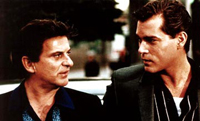 Simplistic
is hardly the word for GoodFellas, Martin Scorsese's
brilliant depiction of mobster-turned-stoolie Henry Hill's
chronicle of his days in the Mafia; a seeming response to The Godfather saga, whose epic characters are depicted
as major players on the world political stage, the made men
of GoodFellas are concerned with nuts and bolts problems
like unloading the contents of a rerouted cigarette truck
or disposing of the carcass of a pesky competitor with quicklime
(issues that Michael Corleone never had to soil his silk suit
with).
Simplistic
is hardly the word for GoodFellas, Martin Scorsese's
brilliant depiction of mobster-turned-stoolie Henry Hill's
chronicle of his days in the Mafia; a seeming response to The Godfather saga, whose epic characters are depicted
as major players on the world political stage, the made men
of GoodFellas are concerned with nuts and bolts problems
like unloading the contents of a rerouted cigarette truck
or disposing of the carcass of a pesky competitor with quicklime
(issues that Michael Corleone never had to soil his silk suit
with).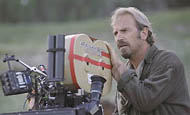 Martin
Scorsese has been nominated for Best Director six times and
Best Adapted Screenplay twice before finally winning the directing
Oscar for The Departed in a selection largely effected
by sentimentality. He was always overlooked for his greatest
work, failing to receive nominations for Mean Streets and Taxi Driver and losing the Oscar for his masterpieces Raging Bull and GoodFellas to movie stars making
their directorial debuts with heavy-handed dramas. Robert
Redford's output as a director has been a reasonably honorable
follow-up to his Oscar-winning debut for Ordinary People,
with somber films like A River Runs Through It, The Horse
Whisperer and the Oscar-nominated Quiz Show providing
some intensely watchable sequences despite a cloying sense of
self importance and prettified presentation that frequently
undermines the films' best intentions. Far less successful has
been the directorial career of Kevin Costner, who waited
seven years before making the follow-up to his his own overrated
directorial debut. The vehicle he chose was the fiasco The
Postman, which not only blew the lid off Costner's reputation
as a director but derailed his acting career (Costner was rumored
to have directed the last two weeks of his other megabomb, Waterworld,
after credited director Kevin Reynolds walked off the film).
Costner tried to redeem himself with one last stab at directing
with the satisfying 2003 western Open Range, but by that
time no one cared any more.
Martin
Scorsese has been nominated for Best Director six times and
Best Adapted Screenplay twice before finally winning the directing
Oscar for The Departed in a selection largely effected
by sentimentality. He was always overlooked for his greatest
work, failing to receive nominations for Mean Streets and Taxi Driver and losing the Oscar for his masterpieces Raging Bull and GoodFellas to movie stars making
their directorial debuts with heavy-handed dramas. Robert
Redford's output as a director has been a reasonably honorable
follow-up to his Oscar-winning debut for Ordinary People,
with somber films like A River Runs Through It, The Horse
Whisperer and the Oscar-nominated Quiz Show providing
some intensely watchable sequences despite a cloying sense of
self importance and prettified presentation that frequently
undermines the films' best intentions. Far less successful has
been the directorial career of Kevin Costner, who waited
seven years before making the follow-up to his his own overrated
directorial debut. The vehicle he chose was the fiasco The
Postman, which not only blew the lid off Costner's reputation
as a director but derailed his acting career (Costner was rumored
to have directed the last two weeks of his other megabomb, Waterworld,
after credited director Kevin Reynolds walked off the film).
Costner tried to redeem himself with one last stab at directing
with the satisfying 2003 western Open Range, but by that
time no one cared any more. 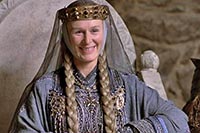 Director
Franco Zeffirelli stunned the movie world in 1989 by announcing
that he was making a film version of Shakespeare's Hamlet starring action megastar Mel Gibson, an actor whose only previous
Shakespearean experience was playing Romeo in an Australian
production years previously. Gibson surprised critics by delivering
a creditable, if uninspired, performance; aided in no small
way by Zeffirelli's screenplay which brilliantly condenses the
massive play far more effectively than Laurence Olivier's Oscar-winning
film (although the highlight of the Olivier film - the duel
in Act V - is the low point of the Zeffirelli version, with
Gibson embarrassing himself by stomping and hooting at the stunned
Laertes as though he were taunting Joe Pesci in a Lethal
Weapon movie). Zeffirelli also had the good sense to surround
Gibson with a brilliant supporting cast, most memorably with
inspired turns by Helena Bonham Carter as Ophelia, Paul Scofield
as the Ghost and best of all Glenn Close in a towering
performance as a childlike Gertrude. Close is only nine years
older than the actor playing her son, but such chronological
nitpicking never enters the mind as one is riveted by the actress'
sensitivity and imagination as one of Shakespeare's great tragic
heroines.
Director
Franco Zeffirelli stunned the movie world in 1989 by announcing
that he was making a film version of Shakespeare's Hamlet starring action megastar Mel Gibson, an actor whose only previous
Shakespearean experience was playing Romeo in an Australian
production years previously. Gibson surprised critics by delivering
a creditable, if uninspired, performance; aided in no small
way by Zeffirelli's screenplay which brilliantly condenses the
massive play far more effectively than Laurence Olivier's Oscar-winning
film (although the highlight of the Olivier film - the duel
in Act V - is the low point of the Zeffirelli version, with
Gibson embarrassing himself by stomping and hooting at the stunned
Laertes as though he were taunting Joe Pesci in a Lethal
Weapon movie). Zeffirelli also had the good sense to surround
Gibson with a brilliant supporting cast, most memorably with
inspired turns by Helena Bonham Carter as Ophelia, Paul Scofield
as the Ghost and best of all Glenn Close in a towering
performance as a childlike Gertrude. Close is only nine years
older than the actor playing her son, but such chronological
nitpicking never enters the mind as one is riveted by the actress'
sensitivity and imagination as one of Shakespeare's great tragic
heroines. 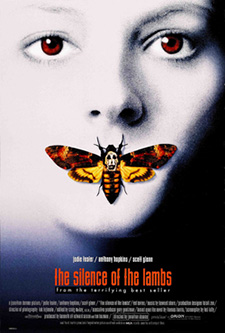 1991
was such a weak year for movies that the Academy resorted
to measures that they had never gone to previously, naming
the feature length cartoon Beauty and the Beast as
one of the Best Picture nominees in order to round out the
field. Disney's delightful retelling of the classic fairy
tale was one of the studio's greatest achievements, but the
fact that it received a nomination when such timeless classics
as Snow White and the Seven Dwarves, Pinocchio, Bambi,
The Little Mermaid or The Lion King were never
even considered for the top award is far more indicative of
the slim pickings in this year than of the singular contributions
of Beauty and the Beast to the art of animation (as
notable as they were). With so little to pick from, its understandable
that the Academy chose to honor the gruesome but compelling
thriller, The Silence of the Lambs. In a stronger year, The Silence of the Lambs would usually be the type
of film that was relegated to technical awards (if any), although
there is no denying that the film is brought into a level
beyond the depth of most thrillers through the complex performance
of Jodie Foster and the electrifying presence of Anthony Hopkins
as the screen's most famous cannibal-psychiatrist.
1991
was such a weak year for movies that the Academy resorted
to measures that they had never gone to previously, naming
the feature length cartoon Beauty and the Beast as
one of the Best Picture nominees in order to round out the
field. Disney's delightful retelling of the classic fairy
tale was one of the studio's greatest achievements, but the
fact that it received a nomination when such timeless classics
as Snow White and the Seven Dwarves, Pinocchio, Bambi,
The Little Mermaid or The Lion King were never
even considered for the top award is far more indicative of
the slim pickings in this year than of the singular contributions
of Beauty and the Beast to the art of animation (as
notable as they were). With so little to pick from, its understandable
that the Academy chose to honor the gruesome but compelling
thriller, The Silence of the Lambs. In a stronger year, The Silence of the Lambs would usually be the type
of film that was relegated to technical awards (if any), although
there is no denying that the film is brought into a level
beyond the depth of most thrillers through the complex performance
of Jodie Foster and the electrifying presence of Anthony Hopkins
as the screen's most famous cannibal-psychiatrist. 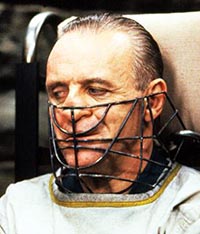 Anthony
Hopkins was on screen for all of eighteen minutes in his
most famous performance as Hannibal "The Cannibal"
Lechter in Silence of the Lambs and made the most of
it by providing some of the screen's most unforgettable and
terrifying images, largely by maintaining a chilling stillness.
But as memorable as Hopkins was in the role, his Oscar win was
harshly criticized at the time not only for the brevity of his
appearance, but because many felt that it was accomplished as
much through clever lighting and editing as anything contributed
by the actor. And as effective as Hopkins is as Lechter, the
role provides almost no insight to his bizarre behavior and
doesn't challenge the actor to do any more than deliver all
his lines in a creepy monotone. To be sure, 1991 was not a stellar
year for male performances and most of Hopkins' competition
- Warren Beatty in Bugsy, Robert De Niro in Cape Fear and Robin Williams in The Fisher King - were unexceptional
exhibitions that were only in the running because the Academy
required five nominees. But the performance of Nick Nolte in
Barbra Streisand's flawed film of Pat Conroy's novel The
Prince of Tides represented not only the finest work of
that actor's checkered career, but the outstanding performance
of any actor in 1991.
Anthony
Hopkins was on screen for all of eighteen minutes in his
most famous performance as Hannibal "The Cannibal"
Lechter in Silence of the Lambs and made the most of
it by providing some of the screen's most unforgettable and
terrifying images, largely by maintaining a chilling stillness.
But as memorable as Hopkins was in the role, his Oscar win was
harshly criticized at the time not only for the brevity of his
appearance, but because many felt that it was accomplished as
much through clever lighting and editing as anything contributed
by the actor. And as effective as Hopkins is as Lechter, the
role provides almost no insight to his bizarre behavior and
doesn't challenge the actor to do any more than deliver all
his lines in a creepy monotone. To be sure, 1991 was not a stellar
year for male performances and most of Hopkins' competition
- Warren Beatty in Bugsy, Robert De Niro in Cape Fear and Robin Williams in The Fisher King - were unexceptional
exhibitions that were only in the running because the Academy
required five nominees. But the performance of Nick Nolte in
Barbra Streisand's flawed film of Pat Conroy's novel The
Prince of Tides represented not only the finest work of
that actor's checkered career, but the outstanding performance
of any actor in 1991. 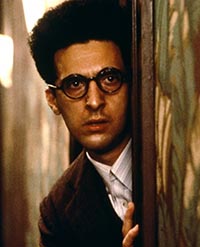 Barton
Fink won the Golden Palm at the 1991 Cannes Film Festival
in addition to awards for Best Director for Joel Cohen and Best
Actor for John Goodman (the first film to be so honored), as
well as winning awards from the New York Film Critics for Judy
Davis for her touching performance as playwright-turned-screenwriter
Fink's would-be muse and the Los Angeles Film Critic Award for
Michael Lerner's inspired send-up of MGM head Louis B. Mayer
in the person of studio boss Jack Lipnick. But the real genius
of the film is Joel Coen and Ethan Coen's brilliant screenplay,
which starts out as a clever satire on 1930s Hollywood and ultimately
evolves into an absurdist nightmare. In the Best Original Screenplay
category, the Academy nominated some startlingly unoriginal
screenplays - James Toback's Bugsy, Lawrence Kasdan and
Meg Kasdan's Grand Canyon, and winner Callie Khouri's Thelma & Louise. The Oscars have always preferred
the safety of mundane formalism to any type of risk and the
outrageous screenplay for Barton Fink was undoubtedly
too unconventional for the tastes of the Academy membership.
But screen Barton Fink and Bugsy or Grand Canyon back-to-back some time and the audacity of the Coen brothers
will stay bouncing around your brain long after the conventional
plotting of the other films have crawled into a dusty corner
to fade away.
Barton
Fink won the Golden Palm at the 1991 Cannes Film Festival
in addition to awards for Best Director for Joel Cohen and Best
Actor for John Goodman (the first film to be so honored), as
well as winning awards from the New York Film Critics for Judy
Davis for her touching performance as playwright-turned-screenwriter
Fink's would-be muse and the Los Angeles Film Critic Award for
Michael Lerner's inspired send-up of MGM head Louis B. Mayer
in the person of studio boss Jack Lipnick. But the real genius
of the film is Joel Coen and Ethan Coen's brilliant screenplay,
which starts out as a clever satire on 1930s Hollywood and ultimately
evolves into an absurdist nightmare. In the Best Original Screenplay
category, the Academy nominated some startlingly unoriginal
screenplays - James Toback's Bugsy, Lawrence Kasdan and
Meg Kasdan's Grand Canyon, and winner Callie Khouri's Thelma & Louise. The Oscars have always preferred
the safety of mundane formalism to any type of risk and the
outrageous screenplay for Barton Fink was undoubtedly
too unconventional for the tastes of the Academy membership.
But screen Barton Fink and Bugsy or Grand Canyon back-to-back some time and the audacity of the Coen brothers
will stay bouncing around your brain long after the conventional
plotting of the other films have crawled into a dusty corner
to fade away.
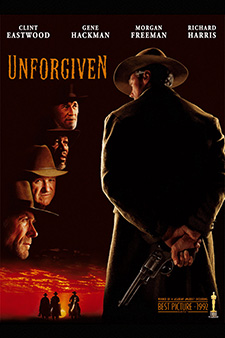 After
years of being taken for granted for outstanding films like High Plains Drifter, The Outlaw Josie Wales, Tightrope,
Bird, and Pale Rider, 1992 was the year that Clint
Eastwood got respect for the brilliant valedictory to his
career as a Western star, Unforgiven. Eastwood plays
William Munny, a once-brutal murderer who reluctantly goes
off to commit one final murder for money after years of trying
to find redemption as the pig farming father of two young
children. The role is a brilliant evolution of the character
he played in his spaghetti westerns of the 1960s, and his
presence in the film is arguably the best example in the history
of film of an actor's screen personae filling in a character's
background. But Unforgiven is much more than simply
a star vehicle for Eastwood to come full circle with his Western
image, providing an actor's field day with brilliant performances
by Gene Hackman (who won a richly-deserved Oscar for Best
Supporting Actor as a sadistic sheriff), Morgan Freeman, Richard Harris, and Frances Fisher. Unforgiven's chief competition in the
Oscar Derby was the compelling sex-change thriller The
Crying Game (a film whose head-spinning surprise plot
twist was betrayed by the nomination of Jaye Richardson in
the Best Supporting Actor category); but after that the competition
fell off drastically, with the Academy so desperate to fill
out the Best Picture field that they nominated the mundane
courtroom drama A Few Good Men (overlooking the far
more challenging Malcolm X). But on Oscar night it
was all about quality, with Eastwood finally getting his long-overdue
recognition.
After
years of being taken for granted for outstanding films like High Plains Drifter, The Outlaw Josie Wales, Tightrope,
Bird, and Pale Rider, 1992 was the year that Clint
Eastwood got respect for the brilliant valedictory to his
career as a Western star, Unforgiven. Eastwood plays
William Munny, a once-brutal murderer who reluctantly goes
off to commit one final murder for money after years of trying
to find redemption as the pig farming father of two young
children. The role is a brilliant evolution of the character
he played in his spaghetti westerns of the 1960s, and his
presence in the film is arguably the best example in the history
of film of an actor's screen personae filling in a character's
background. But Unforgiven is much more than simply
a star vehicle for Eastwood to come full circle with his Western
image, providing an actor's field day with brilliant performances
by Gene Hackman (who won a richly-deserved Oscar for Best
Supporting Actor as a sadistic sheriff), Morgan Freeman, Richard Harris, and Frances Fisher. Unforgiven's chief competition in the
Oscar Derby was the compelling sex-change thriller The
Crying Game (a film whose head-spinning surprise plot
twist was betrayed by the nomination of Jaye Richardson in
the Best Supporting Actor category); but after that the competition
fell off drastically, with the Academy so desperate to fill
out the Best Picture field that they nominated the mundane
courtroom drama A Few Good Men (overlooking the far
more challenging Malcolm X). But on Oscar night it
was all about quality, with Eastwood finally getting his long-overdue
recognition.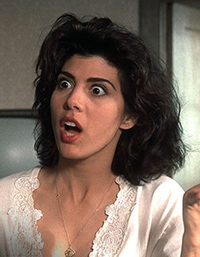 Marisa
Tomei's Academy Award for her stereotypical performance
as a gangster's moll in the broad comedy My Cousin Vinny is generally considered the worst Oscar choice in recent memory,
particularly as it she was selected over four of the finest
actresses in the world (Judy Davis, Joan Plowright, Vanessa
Redgrave, and Miranda Richardson) for a performance that (although
highly amusing) was of no more quality than countless other
gangster moll send-ups. Tomei is a capable actress who has delivered
fine performances in films like Unhook the Stars, Slums of
Beverly Hills, In the Bedroom, The Wrestler and especially Before the Devil Knows You're Dead, but her Mona Lisa
Vito didn't offer anything different from what you might see
in your average network sitcom on any given night of the week.
Marisa
Tomei's Academy Award for her stereotypical performance
as a gangster's moll in the broad comedy My Cousin Vinny is generally considered the worst Oscar choice in recent memory,
particularly as it she was selected over four of the finest
actresses in the world (Judy Davis, Joan Plowright, Vanessa
Redgrave, and Miranda Richardson) for a performance that (although
highly amusing) was of no more quality than countless other
gangster moll send-ups. Tomei is a capable actress who has delivered
fine performances in films like Unhook the Stars, Slums of
Beverly Hills, In the Bedroom, The Wrestler and especially Before the Devil Knows You're Dead, but her Mona Lisa
Vito didn't offer anything different from what you might see
in your average network sitcom on any given night of the week.
 1992
was a fine year for non-English language films, and the five
the Academy selected were good ones: Close to Eden, Daens,
A Place in the World, Schtonk, and the winner Indochine.
The most popular foreign film in the United States was overlooked,
however: Like Water for Chocolate, director Alfonso
Arau's provocative drama of a young woman (beautifully played
by Lumi Cavazos) who is unable to marry her lover because of
her mother's insistence that her older sister marry first, forcing
the girl to use food as a supplement to her sexual frustration.
The Oscar snub of Like Water for Chocolate (which also
deserved nominations for Arau, Cavazos, Adapted Screenplay,
Cinematography and Art Direction) was particularly disappointing
after A Place in the World became the first film in Oscar
history to have its nomination taken away because it was discovered
that its Argentinean director Adolfo Aristarain was refused
by Argentina to have the film submitted as the country's official
entry for Best Foreign Language Film, so he had the film submitted
by his wife's homeland of Uruguay. It was a silly loophole (typical
of the political infighting that accompanies the Foreign Language
Film Oscar) that has since been closed, but it resulted in an
unfortunate episode that not only denied Like Water for Chocolate of the recognition it deserved, but so embittered Aristarain
that he refused to allow A Place in the World to be shown
in the United States until 1995, when it made a paltry $100,986
at the box office. Nobody won.
1992
was a fine year for non-English language films, and the five
the Academy selected were good ones: Close to Eden, Daens,
A Place in the World, Schtonk, and the winner Indochine.
The most popular foreign film in the United States was overlooked,
however: Like Water for Chocolate, director Alfonso
Arau's provocative drama of a young woman (beautifully played
by Lumi Cavazos) who is unable to marry her lover because of
her mother's insistence that her older sister marry first, forcing
the girl to use food as a supplement to her sexual frustration.
The Oscar snub of Like Water for Chocolate (which also
deserved nominations for Arau, Cavazos, Adapted Screenplay,
Cinematography and Art Direction) was particularly disappointing
after A Place in the World became the first film in Oscar
history to have its nomination taken away because it was discovered
that its Argentinean director Adolfo Aristarain was refused
by Argentina to have the film submitted as the country's official
entry for Best Foreign Language Film, so he had the film submitted
by his wife's homeland of Uruguay. It was a silly loophole (typical
of the political infighting that accompanies the Foreign Language
Film Oscar) that has since been closed, but it resulted in an
unfortunate episode that not only denied Like Water for Chocolate of the recognition it deserved, but so embittered Aristarain
that he refused to allow A Place in the World to be shown
in the United States until 1995, when it made a paltry $100,986
at the box office. Nobody won.
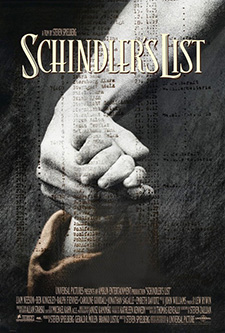 Steven
Spielberg was itching to win an Oscar by 1993, occasionally
throwing in a clumsy, frequently overrated drama (The Color
Purple, Empire of the Sun, Always) into his filmography
in a transparent attempt to win the plaudits he never received
for his masterful excursions into popular filmmaking. Spielberg
finally hit paydirt when he came across Thomas Keneally's
book about Oskar Schindler, the controversial (he was a war
profiteer and member of the Nazi party) savior of over 1000
Jews from Nazi concentration camps. Spielberg's dynamic presentation
of the inspiring story was recognized as an instant classic
(it was rated as the ninth greatest American film ever made
by the American Film Institute) and was the runaway winner
at the Academy Awards that year (despite distinguished competition
from In the Name of the Father, The Piano, and The
Remains of the Day in addition to the potboiler The
Fugitive). As moving and effective as Schindler's List is, it is somewhat overrated (it is overlong and its "group
hug" ending is sentimental manipulation at its worst),
but it contains some of the most powerful sequences ever filmed
and should be lauded for its sensitive handling of a brutal
subject matter. In a less competitive year the award might
have gone to the superbly acted Merchant-Ivory collaboration The Remains of the Day, but 1993 was the year that
Steven Spielberg finally - and deservedly - got the Oscar
recognition he coveted.
Steven
Spielberg was itching to win an Oscar by 1993, occasionally
throwing in a clumsy, frequently overrated drama (The Color
Purple, Empire of the Sun, Always) into his filmography
in a transparent attempt to win the plaudits he never received
for his masterful excursions into popular filmmaking. Spielberg
finally hit paydirt when he came across Thomas Keneally's
book about Oskar Schindler, the controversial (he was a war
profiteer and member of the Nazi party) savior of over 1000
Jews from Nazi concentration camps. Spielberg's dynamic presentation
of the inspiring story was recognized as an instant classic
(it was rated as the ninth greatest American film ever made
by the American Film Institute) and was the runaway winner
at the Academy Awards that year (despite distinguished competition
from In the Name of the Father, The Piano, and The
Remains of the Day in addition to the potboiler The
Fugitive). As moving and effective as Schindler's List is, it is somewhat overrated (it is overlong and its "group
hug" ending is sentimental manipulation at its worst),
but it contains some of the most powerful sequences ever filmed
and should be lauded for its sensitive handling of a brutal
subject matter. In a less competitive year the award might
have gone to the superbly acted Merchant-Ivory collaboration The Remains of the Day, but 1993 was the year that
Steven Spielberg finally - and deservedly - got the Oscar
recognition he coveted.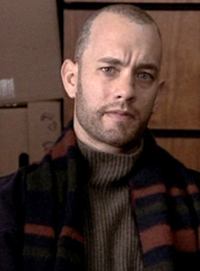 Political
correctness consumed the Oscars in 1993, with Tom Hanks absurdly winning the Best Actor award for his unconvincing performance
of an AIDS patient in Philadelphia. Hanks was strangely
lauded for the "risk" he took by playing a homosexual
lawyer who sues his employers after they fire him upon learning
of his disease, a role that was designed to be overpraised and
in which Hanks looks distinctly uncomfortable (an embarrassing
scene in which Hanks dances with his partner - an equally miscast
Antonio Banderas - depicts his character looking so awkward
holding his supposed lifemate that they look like two teenagers
at a high school dance). But Hanks (who can be a brilliant
actor in thr right part and richly deserved the Oscar he won for Forrest Gump)
is a master of using political correctness to his benefit and
managed to turn his stiff performance in this asinine film into
a referendum on gay rights, even using the Oscar podium as a
platform for an embarrassing, self-serving sermon about gay
men who served as role models in his life (providing the basis
for the comedy In and Out). The four other nominated
actors - Daniel Day Lewis in In the Name of the Father,
Laurence Fishburne in What's Love Got to Do with It,
Liam Neeson in Schindler's List, and particularly Anthony
Hopkins giving the finest performance of his career in The
Remains of the Day - were vastly superior to the overrated
Hanks, as were the unnominated Clint Eastwood in In The Line
of Fire, Bill Murray in Groundhog Day, and Jeff Bridges
in Fearless, but since they weren't pushing a popular
political agenda they failed to make the cut.
Political
correctness consumed the Oscars in 1993, with Tom Hanks absurdly winning the Best Actor award for his unconvincing performance
of an AIDS patient in Philadelphia. Hanks was strangely
lauded for the "risk" he took by playing a homosexual
lawyer who sues his employers after they fire him upon learning
of his disease, a role that was designed to be overpraised and
in which Hanks looks distinctly uncomfortable (an embarrassing
scene in which Hanks dances with his partner - an equally miscast
Antonio Banderas - depicts his character looking so awkward
holding his supposed lifemate that they look like two teenagers
at a high school dance). But Hanks (who can be a brilliant
actor in thr right part and richly deserved the Oscar he won for Forrest Gump)
is a master of using political correctness to his benefit and
managed to turn his stiff performance in this asinine film into
a referendum on gay rights, even using the Oscar podium as a
platform for an embarrassing, self-serving sermon about gay
men who served as role models in his life (providing the basis
for the comedy In and Out). The four other nominated
actors - Daniel Day Lewis in In the Name of the Father,
Laurence Fishburne in What's Love Got to Do with It,
Liam Neeson in Schindler's List, and particularly Anthony
Hopkins giving the finest performance of his career in The
Remains of the Day - were vastly superior to the overrated
Hanks, as were the unnominated Clint Eastwood in In The Line
of Fire, Bill Murray in Groundhog Day, and Jeff Bridges
in Fearless, but since they weren't pushing a popular
political agenda they failed to make the cut. 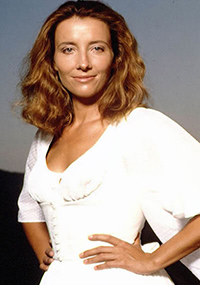 The
only woman to be nominated for Best Actress for a Shakespearean
role was Norma Shearer for her stiff and overaged depiction
of Juliet in MGM's infamous 1936 version of Romeo & Juliet. Emma Thompson was undoubtedly taken out of the running
to join her with a nomination for her magnificent performance
of Beatrice in Much Ado About Nothing because of Thompson's
Best Actress nomination for her other brilliant performance
that year in The Remains of the Day (she was also nominated
for Best Supporting Actress for her far lesser work in In
the Name of the Father). But as good as Thompson was in Remains of the Day she is even better in Much Ado,
providing Beatrice with a wit and sensuality which unfortunately
overpowers her Benedick (Thompson's then-husband Kenneth Branagh,
who - after the triumph of his film of Henry V - was
never as effective in Shakespearean films in which he both acted
and directed, achieving his only other unqualified success as
Iago in Oliver Parker's film of Othello). Indeed the
cast of the film is not generally up to Thompson's standard
(Kate Beckinsale is an excellent Hero, but Denzel Washington
is stiff as Don Pedro and Michael Keaton is mush-mouthed as
Dogberry, while Keanu Reeves provides the worst performance
in the history of Shakespeare on film with his unintentionally
hilariously appalling depiction of the evil Don John), but while
she is on the screen the film takes on a luminosity that recalls
a youthful Audrey Hepburn.
The
only woman to be nominated for Best Actress for a Shakespearean
role was Norma Shearer for her stiff and overaged depiction
of Juliet in MGM's infamous 1936 version of Romeo & Juliet. Emma Thompson was undoubtedly taken out of the running
to join her with a nomination for her magnificent performance
of Beatrice in Much Ado About Nothing because of Thompson's
Best Actress nomination for her other brilliant performance
that year in The Remains of the Day (she was also nominated
for Best Supporting Actress for her far lesser work in In
the Name of the Father). But as good as Thompson was in Remains of the Day she is even better in Much Ado,
providing Beatrice with a wit and sensuality which unfortunately
overpowers her Benedick (Thompson's then-husband Kenneth Branagh,
who - after the triumph of his film of Henry V - was
never as effective in Shakespearean films in which he both acted
and directed, achieving his only other unqualified success as
Iago in Oliver Parker's film of Othello). Indeed the
cast of the film is not generally up to Thompson's standard
(Kate Beckinsale is an excellent Hero, but Denzel Washington
is stiff as Don Pedro and Michael Keaton is mush-mouthed as
Dogberry, while Keanu Reeves provides the worst performance
in the history of Shakespeare on film with his unintentionally
hilariously appalling depiction of the evil Don John), but while
she is on the screen the film takes on a luminosity that recalls
a youthful Audrey Hepburn.  Two
brilliant movies went head-to-head in 1994, Forrest Gump and
Pulp Fiction. Both were madly enjoyable, incredibly
imaginative smashes that provided iconic sequences that have
provided nonstop fodder for parodists in ensuing years (Gump
seated on a bench waiting patiently for his bus while attired
in an immaculate white suit in Forrest Gump and Bruce
Willis and Ving Rhames being tied to chairs with ball-gags
in their mouths as they wait for the mysterious Zed to arrive
in Pulp Fiction). Either film would have been a good
choice, but the ultra-violent Pulp Fiction would have
to make do with a single Oscar for Quentin Tarantino's inventive
screenplay against Forrest Gump's more universally
palatable gentle optimism (Gump made in $329,691,196
in United States box office receipts against Pulp Fiction's $107,930,000). But Forrest Gump's Oscar success is
hardly based on maudlin sentimentality, as it is a truly brilliant
film that cleverly interpolates its hero into footage from
historical events yet never relies on the gimmick so heavily
that it loses sight of the absorbing human story that it tells.
This is thanks, in no small part, to the stunning artistry
of Hanks in the title role, a performance that could easily
have degenerated into embarrassing parody in a lesser actor's
hands. Fine work is also offered by Gary Sinise as the bitter
amputee Lieutenant Dan, a performance that was sadly overlooked
at the Oscars because of the dense competition in the Supporting
Actor field: Sinise, Samuel L. Jackson in Pulp Fiction,
and Chazz Palminteri in Bullets Over Broadway would
all have been deserving winners were it not for the sublime
performance of Martin Landau as Bela Lugosi in the stunningly
acted box office bomb Ed Wood (fifth nominee Paul Scofield
in Quiz Show was only in the running on the basis of
his previous Oscar for A Man for All Seasons and his
awesome theatrical reputation and should have been passed
over in favor of Bill Murray in Ed Wood, Ving Rhames
in Pulp Fiction, or John Hannah in Four Weddings
and a Funeral). In such lean movie times it's unfortunate
when a fine film like Pulp Fiction (or fellow runner-up The Shawshank Redemption) has to come up short, but
there's certainly no shame in losing to a masterpiece like Forrest Gump.
Two
brilliant movies went head-to-head in 1994, Forrest Gump and
Pulp Fiction. Both were madly enjoyable, incredibly
imaginative smashes that provided iconic sequences that have
provided nonstop fodder for parodists in ensuing years (Gump
seated on a bench waiting patiently for his bus while attired
in an immaculate white suit in Forrest Gump and Bruce
Willis and Ving Rhames being tied to chairs with ball-gags
in their mouths as they wait for the mysterious Zed to arrive
in Pulp Fiction). Either film would have been a good
choice, but the ultra-violent Pulp Fiction would have
to make do with a single Oscar for Quentin Tarantino's inventive
screenplay against Forrest Gump's more universally
palatable gentle optimism (Gump made in $329,691,196
in United States box office receipts against Pulp Fiction's $107,930,000). But Forrest Gump's Oscar success is
hardly based on maudlin sentimentality, as it is a truly brilliant
film that cleverly interpolates its hero into footage from
historical events yet never relies on the gimmick so heavily
that it loses sight of the absorbing human story that it tells.
This is thanks, in no small part, to the stunning artistry
of Hanks in the title role, a performance that could easily
have degenerated into embarrassing parody in a lesser actor's
hands. Fine work is also offered by Gary Sinise as the bitter
amputee Lieutenant Dan, a performance that was sadly overlooked
at the Oscars because of the dense competition in the Supporting
Actor field: Sinise, Samuel L. Jackson in Pulp Fiction,
and Chazz Palminteri in Bullets Over Broadway would
all have been deserving winners were it not for the sublime
performance of Martin Landau as Bela Lugosi in the stunningly
acted box office bomb Ed Wood (fifth nominee Paul Scofield
in Quiz Show was only in the running on the basis of
his previous Oscar for A Man for All Seasons and his
awesome theatrical reputation and should have been passed
over in favor of Bill Murray in Ed Wood, Ving Rhames
in Pulp Fiction, or John Hannah in Four Weddings
and a Funeral). In such lean movie times it's unfortunate
when a fine film like Pulp Fiction (or fellow runner-up The Shawshank Redemption) has to come up short, but
there's certainly no shame in losing to a masterpiece like Forrest Gump.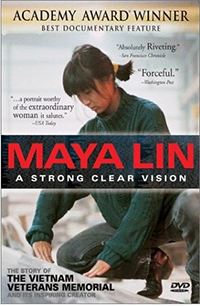 The
Academy seemed to lose its mind in the documentary field this
year, selecting Maya Lin, a satisfactory though
unexceptional examination of the talented young Chinese-American
artist who rose to prominence by designing the the Vietnam War
Memorial. The film relies far too heavily on Lin's overly-cerebral
and sometimes ponderous analysis of her own work, and while
the finished products are clearly powerful and moving, the commentary
she provides is frequently long-winded and occasionally bordering
on the pretentious. Overlooked were two of the most important
and popular documentaries ever made: Hoop Dreams and Crumb. The omission of Hoop Dreams, the story
of two African American boys who struggle to become college
basketball players, caused a particular outrage among the public
when it was denied a nomination, even though Crumb, the
bittersweet chronicle of underground comic doyen Robert Crumb is the better film. Both are undeniably superior to the
winner Maya Lin, whose selection has left a pall over
the documentary category that continues to this day.
The
Academy seemed to lose its mind in the documentary field this
year, selecting Maya Lin, a satisfactory though
unexceptional examination of the talented young Chinese-American
artist who rose to prominence by designing the the Vietnam War
Memorial. The film relies far too heavily on Lin's overly-cerebral
and sometimes ponderous analysis of her own work, and while
the finished products are clearly powerful and moving, the commentary
she provides is frequently long-winded and occasionally bordering
on the pretentious. Overlooked were two of the most important
and popular documentaries ever made: Hoop Dreams and Crumb. The omission of Hoop Dreams, the story
of two African American boys who struggle to become college
basketball players, caused a particular outrage among the public
when it was denied a nomination, even though Crumb, the
bittersweet chronicle of underground comic doyen Robert Crumb is the better film. Both are undeniably superior to the
winner Maya Lin, whose selection has left a pall over
the documentary category that continues to this day.
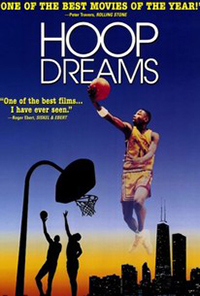 It
seems like an almost yearly occurrence when the Academy overlooks
the most popular and important documentary of the year for a
nomination, and the pattern has never generated as much controversy
as over the snub of Steve James' phenomenally successful Hoop Dreams, the story of two inner-city Chicago boys who aspire to basketball glory. Following the
outrage, Entertainment Weekly ran an article outing the Academy
process for selecting the award, disclosing that the members
of the committee who chose the nominees were not even documentary
filmmakers (unlike the other categories, whose nominees are
chosen by members of that field). The article forced the Academy
to revise its rules (much like the snub of The Thin Blue
Line), although too late for Hoop Dreams to be considered
for the award. It was the only documentary from 1994 to be nominated
in a general category however, for Film Editing - losing to Forrest Gump.
It
seems like an almost yearly occurrence when the Academy overlooks
the most popular and important documentary of the year for a
nomination, and the pattern has never generated as much controversy
as over the snub of Steve James' phenomenally successful Hoop Dreams, the story of two inner-city Chicago boys who aspire to basketball glory. Following the
outrage, Entertainment Weekly ran an article outing the Academy
process for selecting the award, disclosing that the members
of the committee who chose the nominees were not even documentary
filmmakers (unlike the other categories, whose nominees are
chosen by members of that field). The article forced the Academy
to revise its rules (much like the snub of The Thin Blue
Line), although too late for Hoop Dreams to be considered
for the award. It was the only documentary from 1994 to be nominated
in a general category however, for Film Editing - losing to Forrest Gump. 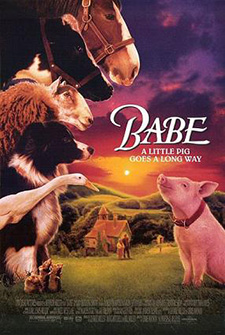 Given
the Academy's preference for pretentious drama, it's not surprising
that it has always turned its back on children's films. Prior
to 1995, the only three or four films nominated for Best Picture
that might fall into this category were The Wizard of Oz,
Mary Poppins and Beauty and the Beast (and perhaps E.T.). With another shortage of outstanding films to choose
from this year the Oscars had no choice but to add another
to the list, Chris Noonan's film adaptation of Dick King-Smith's
novel The Sheep Pig. Noonan's deceptively simple Babe turned out not only to be a technical marvel (48 real Yorkshire
pigs plus an animatronic double played the title role), but
a refreshingly gentle and heartwarming story of a little pig
raised by sheepdogs that learns to herd sheep himself. Babe is that rarest of creatures, a film made for children that
can be enjoyed equally by adults, that was a financial smash
which put character actor James Cromwell (until then best
known for his recurring role as Stretch Cunningham in All
in the Family) on the map for his Oscar nominated performance
as farmer Arthur Hoggett. It was not only the best film of
the year, but the only one that is likely to be continued
to be screened with enthusiasm fifty years after its initial
release.
Given
the Academy's preference for pretentious drama, it's not surprising
that it has always turned its back on children's films. Prior
to 1995, the only three or four films nominated for Best Picture
that might fall into this category were The Wizard of Oz,
Mary Poppins and Beauty and the Beast (and perhaps E.T.). With another shortage of outstanding films to choose
from this year the Oscars had no choice but to add another
to the list, Chris Noonan's film adaptation of Dick King-Smith's
novel The Sheep Pig. Noonan's deceptively simple Babe turned out not only to be a technical marvel (48 real Yorkshire
pigs plus an animatronic double played the title role), but
a refreshingly gentle and heartwarming story of a little pig
raised by sheepdogs that learns to herd sheep himself. Babe is that rarest of creatures, a film made for children that
can be enjoyed equally by adults, that was a financial smash
which put character actor James Cromwell (until then best
known for his recurring role as Stretch Cunningham in All
in the Family) on the map for his Oscar nominated performance
as farmer Arthur Hoggett. It was not only the best film of
the year, but the only one that is likely to be continued
to be screened with enthusiasm fifty years after its initial
release.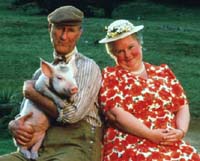 Nominated
for seven awards, the only Oscar Babe took home was
for its stunning visual effects. The surprise winner this
year was Mel Gibson's plodding epic film of the story of 13th
century Scottish hero William Wallace. Braveheart is
an reasonably entertaining (though overlong) action film which
gives Wallace's story the typical Hollywood treatment (the
movie begins with a prologue showing the child Wallace expressing
his undying love to a little girl of his own age but when
the adult Wallace rides back from the wars to claim her, the
actress playing the adult character is easily fifteen years
younger than Gibson) and is not even remotely in the same
league as the other nominees (Apollo 13, Babe,, Il Postino, and even Sense and Sensibility), much less their
superior.
Nominated
for seven awards, the only Oscar Babe took home was
for its stunning visual effects. The surprise winner this
year was Mel Gibson's plodding epic film of the story of 13th
century Scottish hero William Wallace. Braveheart is
an reasonably entertaining (though overlong) action film which
gives Wallace's story the typical Hollywood treatment (the
movie begins with a prologue showing the child Wallace expressing
his undying love to a little girl of his own age but when
the adult Wallace rides back from the wars to claim her, the
actress playing the adult character is easily fifteen years
younger than Gibson) and is not even remotely in the same
league as the other nominees (Apollo 13, Babe,, Il Postino, and even Sense and Sensibility), much less their
superior.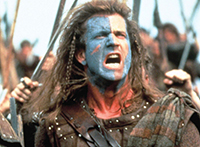 The
success of Braveheart on Oscar night continues
to be one of the most puzzling surprises in the history of the
awards. The lumbering film was not particularly well reviewed
(Time Magazine said ""Everybody knows that a non-blubbering
clause is standard in all movie stars' contracts. Too bad there
isn't one banning self-indulgence when they direct.") nor
was it a financial blockbuster (it came in fourth at the box
office on its opening weekend). Its success was doubtless due
to a series of happy accidents concerning its Best Picture competition
that pushed it to the top: Rightful winner Babe was a
children's movie and not in keeping with award prerequisite
of being a somber drama; Apollo 13 inexplicably did not
receive a Best Director nomination even though it did win the
DGA Award for Ron Howard; director Ang Lee shared the same fate
for Sense and Sensibility, a well-acted though
unengaging film of Jane Austin's novel that lacked Braveheart's impressive budget and cast of thousands; and Il Postino was
a foreign language film. With all of its rivals dropping out
of the running, Braveheart won Best Picture by default.
The
success of Braveheart on Oscar night continues
to be one of the most puzzling surprises in the history of the
awards. The lumbering film was not particularly well reviewed
(Time Magazine said ""Everybody knows that a non-blubbering
clause is standard in all movie stars' contracts. Too bad there
isn't one banning self-indulgence when they direct.") nor
was it a financial blockbuster (it came in fourth at the box
office on its opening weekend). Its success was doubtless due
to a series of happy accidents concerning its Best Picture competition
that pushed it to the top: Rightful winner Babe was a
children's movie and not in keeping with award prerequisite
of being a somber drama; Apollo 13 inexplicably did not
receive a Best Director nomination even though it did win the
DGA Award for Ron Howard; director Ang Lee shared the same fate
for Sense and Sensibility, a well-acted though
unengaging film of Jane Austin's novel that lacked Braveheart's impressive budget and cast of thousands; and Il Postino was
a foreign language film. With all of its rivals dropping out
of the running, Braveheart won Best Picture by default.
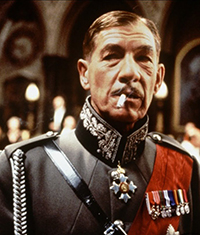 Following
the death of Laurence Olivier and the relegation of John Gielgud to high-paying cameos in movies,
the mantle of Greatest Shakespearean Actor fell to Ian McKellen,
whose performances of Macbeth, Richard II and Coriolanus had already fallen into legend. McKellen solidified this title
with his brilliant rethinking of Olivier's signature role of
Richard III as a 1930s fascist dictator. McKellen won London's
Laurence Olivier Award for his stage performance of the role
and the film that he made from it was even better, surrounding
McKellen with a brilliant cast that included Annette Bening,
Jim Broadbent, Nigel Hawthorne, Kristen Scott Thomas, John Wood,
Maggie Smith, and Robert Downey Jr.. But it is McKellen's dynamic
portrayal that surrounds the action, delivering one of the most
forceful and imaginative performances in the history of Shakespeare
on film.
Following
the death of Laurence Olivier and the relegation of John Gielgud to high-paying cameos in movies,
the mantle of Greatest Shakespearean Actor fell to Ian McKellen,
whose performances of Macbeth, Richard II and Coriolanus had already fallen into legend. McKellen solidified this title
with his brilliant rethinking of Olivier's signature role of
Richard III as a 1930s fascist dictator. McKellen won London's
Laurence Olivier Award for his stage performance of the role
and the film that he made from it was even better, surrounding
McKellen with a brilliant cast that included Annette Bening,
Jim Broadbent, Nigel Hawthorne, Kristen Scott Thomas, John Wood,
Maggie Smith, and Robert Downey Jr.. But it is McKellen's dynamic
portrayal that surrounds the action, delivering one of the most
forceful and imaginative performances in the history of Shakespeare
on film. 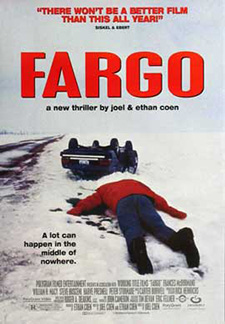 A
memorable episode of Seinfeld depicts the character
of Elaine mystified over the praise being heaped on The
English Patient, until she finally runs out of a theatre
showing the film because it is simply too long and boring
to sit through. madbeast.com shares Elaine's opinion of the
monotonous saga, ranking it with Cimarron, Cavalcade, Around the World in 80 Days and Oliver! as one of the genuinely awful films to win
the Best Picture Academy Award. The Academy's devotion to
the lifeless The English Patient is especially confusing
since all four of the other nominees (Fargo, Jerry Maguire,
Secrets & Lies, and Shine) were excellent films
that would have been reasonable selections for the top honor.
The best of the lot by far was Joel and Ethan Cohen's disturbing
comedy-drama of a kidnapping gone horribly wrong, Fargo.
Ranked as the eighty-fourth greatest American film ever made
by the American Film Institute only two years after its release, Fargo packs more drama and suspense in its ninety-eight
minute running time than most of the recent Oscar winners
dole out in their meandering three-plus hours. Brilliant acted
by an outstanding ensemble that included unforgettable performances
by Frances McDormand. William H. Macy, Steve Buscemi (who
lost the Supporting Actor Hindsight Award to Macy in a coin
toss), and the menacing Harve Presnell, audiences will forever
wonder in astonishment how this great film could be bypassed
for recognition over the interminable The English Patient.
A
memorable episode of Seinfeld depicts the character
of Elaine mystified over the praise being heaped on The
English Patient, until she finally runs out of a theatre
showing the film because it is simply too long and boring
to sit through. madbeast.com shares Elaine's opinion of the
monotonous saga, ranking it with Cimarron, Cavalcade, Around the World in 80 Days and Oliver! as one of the genuinely awful films to win
the Best Picture Academy Award. The Academy's devotion to
the lifeless The English Patient is especially confusing
since all four of the other nominees (Fargo, Jerry Maguire,
Secrets & Lies, and Shine) were excellent films
that would have been reasonable selections for the top honor.
The best of the lot by far was Joel and Ethan Cohen's disturbing
comedy-drama of a kidnapping gone horribly wrong, Fargo.
Ranked as the eighty-fourth greatest American film ever made
by the American Film Institute only two years after its release, Fargo packs more drama and suspense in its ninety-eight
minute running time than most of the recent Oscar winners
dole out in their meandering three-plus hours. Brilliant acted
by an outstanding ensemble that included unforgettable performances
by Frances McDormand. William H. Macy, Steve Buscemi (who
lost the Supporting Actor Hindsight Award to Macy in a coin
toss), and the menacing Harve Presnell, audiences will forever
wonder in astonishment how this great film could be bypassed
for recognition over the interminable The English Patient.  With
nine Oscars, six BAFTA Awards, two Golden Globes, the DGA Award,
American Cinema Editors Award, American Society of Cinematographers
Award, and Art Directors Guild Award to its credit, the two
hour and forty minute sluggishly-paced, forgettably-acted The
English Patient must surely be ranked as the most overrated
film ever made and the worst Best Picture selection since Oliver! The Academy has been increasingly taken in by empty-headed opulence
in recent years (Out of Africa, Braveheart, Titanic),
but never has a film received so many honors for bringing so
little to the screen as this pretentious mess.
With
nine Oscars, six BAFTA Awards, two Golden Globes, the DGA Award,
American Cinema Editors Award, American Society of Cinematographers
Award, and Art Directors Guild Award to its credit, the two
hour and forty minute sluggishly-paced, forgettably-acted The
English Patient must surely be ranked as the most overrated
film ever made and the worst Best Picture selection since Oliver! The Academy has been increasingly taken in by empty-headed opulence
in recent years (Out of Africa, Braveheart, Titanic),
but never has a film received so many honors for bringing so
little to the screen as this pretentious mess. 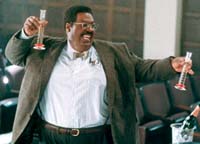 When Eddie Murphy presented the Best Picture Oscar to The Last Emperor in 1987, he used the occasion as a soapbox
to point out that the Academy Awards had recognized only three
black actors in its history to that time; adding that he would
probably never win an Oscar for saying so. Whether or not Murphy's
statements had anything to do with his not receiving a nomination
for The Nutty Professor can never be known, but he gave
a performance of astonishing warmth and sensitivity behind the
film's fat jokes and fart gags. Murphy's career output has been
disappointingly thin in recent years (outside of his delightful
voice work in the Shrek films and his brilliant Oscar
nominated performance in Dreamgirls), but when he started
out, there were few better examples of a fresher and more irreverent
personality in motion picture history. He was robbed of a nomination
for his performance in Beverly Hills Cop, perhaps the
greatest instance in film history of a performer raising mundane
material to an outstanding level by the sheer force of his personality.
But his best work as an actor was as the shy and gentle Professor
Sherman Klump, and while Rick Baker and David LeRoy Anderson's
Oscar winning fat suit may have supplied the character's girth,
it was Murphy who provided Klump with a disarmingly old soul.
When Eddie Murphy presented the Best Picture Oscar to The Last Emperor in 1987, he used the occasion as a soapbox
to point out that the Academy Awards had recognized only three
black actors in its history to that time; adding that he would
probably never win an Oscar for saying so. Whether or not Murphy's
statements had anything to do with his not receiving a nomination
for The Nutty Professor can never be known, but he gave
a performance of astonishing warmth and sensitivity behind the
film's fat jokes and fart gags. Murphy's career output has been
disappointingly thin in recent years (outside of his delightful
voice work in the Shrek films and his brilliant Oscar
nominated performance in Dreamgirls), but when he started
out, there were few better examples of a fresher and more irreverent
personality in motion picture history. He was robbed of a nomination
for his performance in Beverly Hills Cop, perhaps the
greatest instance in film history of a performer raising mundane
material to an outstanding level by the sheer force of his personality.
But his best work as an actor was as the shy and gentle Professor
Sherman Klump, and while Rick Baker and David LeRoy Anderson's
Oscar winning fat suit may have supplied the character's girth,
it was Murphy who provided Klump with a disarmingly old soul.
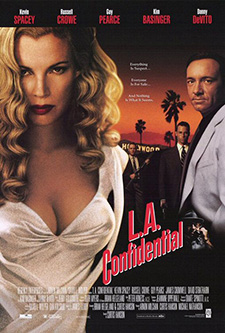 Prior
to the Academy Awards, almost every major critics group had
given their Best Picture award to Curtis Hanson's riveting
film noir, LA Confidential. But by the time Oscar Night
had rolled around, James Cameron's Titanic had become
the movie phenomenon of the decade and the all-time box office
champion; so the Academy rewarded it by giving it a record-tying
11 Oscars. Titanic is an impressively produced film,
but there is no question that the Academy confused the devotion
of a legion of teenage girls for quality and had the film
been judged strictly on the basis of its merits as a motion
picture (instead of a social phenomenon) it would have walked
away with nothing more than a few technical awards. But for
some unfathomable reason, the country became obsessed for
a time by this silly film that had the sensibility of a cheap
romance novel; and in that gap it not only managed to spin
more gold than Rumplestiltskin, it was able to con the motion
picture elite into believing that James Cameron was King of
the World. Mercifully, Titanic-mania has worn off over time (the film is given
a good 7.7 rating on IMDb.com, whose readership is comprised
of Titanic's key demographic audience, but three of the other four Best Picture nominees for 1997 got as good a rating or better), and we now
look back on our fascination with it with the same sense of
irony as seeing an old snapshot of ourselves in high school
with an outrageous hairstyle, and musing "what the hell
was I thinking?"
Prior
to the Academy Awards, almost every major critics group had
given their Best Picture award to Curtis Hanson's riveting
film noir, LA Confidential. But by the time Oscar Night
had rolled around, James Cameron's Titanic had become
the movie phenomenon of the decade and the all-time box office
champion; so the Academy rewarded it by giving it a record-tying
11 Oscars. Titanic is an impressively produced film,
but there is no question that the Academy confused the devotion
of a legion of teenage girls for quality and had the film
been judged strictly on the basis of its merits as a motion
picture (instead of a social phenomenon) it would have walked
away with nothing more than a few technical awards. But for
some unfathomable reason, the country became obsessed for
a time by this silly film that had the sensibility of a cheap
romance novel; and in that gap it not only managed to spin
more gold than Rumplestiltskin, it was able to con the motion
picture elite into believing that James Cameron was King of
the World. Mercifully, Titanic-mania has worn off over time (the film is given
a good 7.7 rating on IMDb.com, whose readership is comprised
of Titanic's key demographic audience, but three of the other four Best Picture nominees for 1997 got as good a rating or better), and we now
look back on our fascination with it with the same sense of
irony as seeing an old snapshot of ourselves in high school
with an outrageous hairstyle, and musing "what the hell
was I thinking?" The
unfortunate loser in this whirlwind was LA Confidential,
which was certainly the finest film of the year despite winning
only two awards (ironically, one of the awards it won was
one it didn't deserve, for Kim Basinger's mediocre
performance as a call girl with a resemblance to Veronica
Lake). Hanson's output as a director has been a mixed bag
in the ensuing years (although Wonder Boys, his brilliantly
oddball character study of an eccentric English professor,
was certainly the most under-rewarded film of 2000), but LA
Confidential was much more worthy of the sensation created
by Titanic. Wonderfully acted by Russell Crowe, Guy
Pearce, Kevin Spacey, Danny De Vito, and James Cromwell, LA
Confidential will at least have the distinction of forever
being at the top of most lists of the films that should have
won the Best Picture Oscar, but didn't.
The
unfortunate loser in this whirlwind was LA Confidential,
which was certainly the finest film of the year despite winning
only two awards (ironically, one of the awards it won was
one it didn't deserve, for Kim Basinger's mediocre
performance as a call girl with a resemblance to Veronica
Lake). Hanson's output as a director has been a mixed bag
in the ensuing years (although Wonder Boys, his brilliantly
oddball character study of an eccentric English professor,
was certainly the most under-rewarded film of 2000), but LA
Confidential was much more worthy of the sensation created
by Titanic. Wonderfully acted by Russell Crowe, Guy
Pearce, Kevin Spacey, Danny De Vito, and James Cromwell, LA
Confidential will at least have the distinction of forever
being at the top of most lists of the films that should have
won the Best Picture Oscar, but didn't. When Helen Hunt won the Best Actress Oscar for As Good
As It Gets, she used the occasion to express her surprise
at being honored over the actress she thought should have won
the award, Judi Dench for Mrs. Brown. While one admires
Hunt's graciousness, it's hard not to agree with her. Hunt is
an enjoyable actress who turns in the same dependably generic
performance in everything she does: her work in As Good As
It Gets as a waitress who forms an uncomfortable alliance
with a mentally unbalanced writer (brilliantly played by Jack
Nicholson, who performed true alchemy with a role that was so
disturbing for an alleged romantic comedy that it might have
been unwatchable in a lesser actor's hands) was not noticeably
different from the performances she turned in in Twister or What Women Want or, for that matter, an episode of Mad About You. Hunt is a wonderfully appealing personality
who lights up any project that she takes part in, but she is
a woefully limited actress who does not belong in the Oscar
pantheon, although she richly deserved her Best Supporting Actress nomination as a compassionate sex therapist in The Sessions (2012).
When Helen Hunt won the Best Actress Oscar for As Good
As It Gets, she used the occasion to express her surprise
at being honored over the actress she thought should have won
the award, Judi Dench for Mrs. Brown. While one admires
Hunt's graciousness, it's hard not to agree with her. Hunt is
an enjoyable actress who turns in the same dependably generic
performance in everything she does: her work in As Good As
It Gets as a waitress who forms an uncomfortable alliance
with a mentally unbalanced writer (brilliantly played by Jack
Nicholson, who performed true alchemy with a role that was so
disturbing for an alleged romantic comedy that it might have
been unwatchable in a lesser actor's hands) was not noticeably
different from the performances she turned in in Twister or What Women Want or, for that matter, an episode of Mad About You. Hunt is a wonderfully appealing personality
who lights up any project that she takes part in, but she is
a woefully limited actress who does not belong in the Oscar
pantheon, although she richly deserved her Best Supporting Actress nomination as a compassionate sex therapist in The Sessions (2012).  Only
one black person (John Singleton for Boys N the Hood)
and two women (Lina Wertmüller for Seven Beauties and Jane Campion for The Piano) had been nominated for the Best Director
Oscar by 1997. Both those numbers should have swelled in that year
with Kasi Lemmons' atmospheric direction of the chilling
drama Eve's Bayou. This nail-biting tale of family tension
in the Louisiana bayou in the early 1960s was among the finest
films of the year, but was completely bypassed in the Oscar
race amidst the hysteria over Titanic. Regrettably, Lemmons
(who won an award for Outstanding Directorial Debut from the
National Board of Review for Eve's Bayou) has had only
three small budget directorial opportunities since.
Only
one black person (John Singleton for Boys N the Hood)
and two women (Lina Wertmüller for Seven Beauties and Jane Campion for The Piano) had been nominated for the Best Director
Oscar by 1997. Both those numbers should have swelled in that year
with Kasi Lemmons' atmospheric direction of the chilling
drama Eve's Bayou. This nail-biting tale of family tension
in the Louisiana bayou in the early 1960s was among the finest
films of the year, but was completely bypassed in the Oscar
race amidst the hysteria over Titanic. Regrettably, Lemmons
(who won an award for Outstanding Directorial Debut from the
National Board of Review for Eve's Bayou) has had only
three small budget directorial opportunities since. 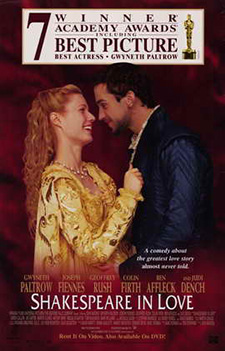 The
Oscar success of Shakespeare in Love was criticized
in some quarters because of the lavish Academy Award campaign
staged by its distributor, Miramax Film's Harvey Weinstein.
While there is no doubt that Weinstein was extravagant in
his spending, it might not have mattered if the film weren't
a remarkably clever and touching romantic fantasy about a
love affair that served as the Bard's inspiration for Romeo
& Juliet. In reality R&J was based upon
an old legend, but otherwise Marc Norman and Tom Stoppard's
clever screenplay made remarkable use of the few known facts
of Shakespeare's life to spin a heartwarming delight. Shakespeare
in Love was considered a surprise winner on Oscar Night,
with the award expected to go to Steven Spielberg's fatuous,
overlong and overrated Saving Private Ryan (the Hindsight crew calls 'em as we see 'em, and after the movie's vaunted 20-minute opening - which takes place before any of the characters are introduced and therefore has all the emotional resonance of a particularly graphic snuff film - it descends into a cliché-ridden World War II movie rip-off that has none of the dramatic urgency of the films actually made during the conflict) and given
the Academy's distaste for comedy, Shakespeare in Love does not seem to fit the usual Oscar mold. But because of
the film's literary background it had just enough pretension
going for it to seem Important enough to win Academy Awards,
even though at its core it remains a classic romantic comedy
(Gwynneth Paltrow's Oscar for her unexceptional performance
in a run-of-the-mill ingenue role was a terrible choice over
the far more challenging work of Fernanda Montenegra in Central
Station or Cate Blanchett for Elizabeth),
a difficult genre that is rarely honored by the Academy.
The
Oscar success of Shakespeare in Love was criticized
in some quarters because of the lavish Academy Award campaign
staged by its distributor, Miramax Film's Harvey Weinstein.
While there is no doubt that Weinstein was extravagant in
his spending, it might not have mattered if the film weren't
a remarkably clever and touching romantic fantasy about a
love affair that served as the Bard's inspiration for Romeo
& Juliet. In reality R&J was based upon
an old legend, but otherwise Marc Norman and Tom Stoppard's
clever screenplay made remarkable use of the few known facts
of Shakespeare's life to spin a heartwarming delight. Shakespeare
in Love was considered a surprise winner on Oscar Night,
with the award expected to go to Steven Spielberg's fatuous,
overlong and overrated Saving Private Ryan (the Hindsight crew calls 'em as we see 'em, and after the movie's vaunted 20-minute opening - which takes place before any of the characters are introduced and therefore has all the emotional resonance of a particularly graphic snuff film - it descends into a cliché-ridden World War II movie rip-off that has none of the dramatic urgency of the films actually made during the conflict) and given
the Academy's distaste for comedy, Shakespeare in Love does not seem to fit the usual Oscar mold. But because of
the film's literary background it had just enough pretension
going for it to seem Important enough to win Academy Awards,
even though at its core it remains a classic romantic comedy
(Gwynneth Paltrow's Oscar for her unexceptional performance
in a run-of-the-mill ingenue role was a terrible choice over
the far more challenging work of Fernanda Montenegra in Central
Station or Cate Blanchett for Elizabeth),
a difficult genre that is rarely honored by the Academy.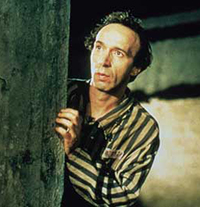 The Academy has a special fascination for films set in the background
of the Holocaust (the documentary selections are frequently
criticized for favoring films on the subject), although it can
be argued that this horrific event presents more opportunity
for drama than any other backdrop. Even with this admission, it is difficult to understand the deference Italian
comic Roberto Benigni generated for his ghastly and offensive
egomania in setting his over-the-top slapstick routine amidst the
atrocities in Life is Beautiful. Benigni's film, which
crudely told the story of a Jewish man who is sent to an
Italian concentration camp and tries to make the situation palatable
for his son by pretending that they are taking part in a contest
to win an army tank, trivialized the horrors of the Holocaust
to an unimaginable degree and his incompetent attempts to mix
his shameless mugging with labored pathos recalls Jerry Lewis
at his most self-indulgent. Remarkably, the movie public fell
for Benigni's train wreck and the film was nominated for a record
number of Oscars for a foreign language film (since broken),
winning Benigni awards for Best Foreign Film and Best Actor.
Particularly disturbing is the fact that the deserved winners
in these categories, Brazil's Central Station and Ian
McKellen's performance in Gods and Monsters, were among
the outstanding film achievements of the decade. Fortunately,
Benigni's shell game with the American film audience was ultimately
seen through and his follow-up to Life is Beautiful,
a big budget live-action film of Pinocchio, was laughed
off the screen as an unwatchable mess. But Benigni's Oscars
for Life is Beautiful are an embarrassing reminder of
the spell he once cast over Movieland, and his statuette for
Best Actor ranks as the worst selection in the history of the
Academy Awards.
The Academy has a special fascination for films set in the background
of the Holocaust (the documentary selections are frequently
criticized for favoring films on the subject), although it can
be argued that this horrific event presents more opportunity
for drama than any other backdrop. Even with this admission, it is difficult to understand the deference Italian
comic Roberto Benigni generated for his ghastly and offensive
egomania in setting his over-the-top slapstick routine amidst the
atrocities in Life is Beautiful. Benigni's film, which
crudely told the story of a Jewish man who is sent to an
Italian concentration camp and tries to make the situation palatable
for his son by pretending that they are taking part in a contest
to win an army tank, trivialized the horrors of the Holocaust
to an unimaginable degree and his incompetent attempts to mix
his shameless mugging with labored pathos recalls Jerry Lewis
at his most self-indulgent. Remarkably, the movie public fell
for Benigni's train wreck and the film was nominated for a record
number of Oscars for a foreign language film (since broken),
winning Benigni awards for Best Foreign Film and Best Actor.
Particularly disturbing is the fact that the deserved winners
in these categories, Brazil's Central Station and Ian
McKellen's performance in Gods and Monsters, were among
the outstanding film achievements of the decade. Fortunately,
Benigni's shell game with the American film audience was ultimately
seen through and his follow-up to Life is Beautiful,
a big budget live-action film of Pinocchio, was laughed
off the screen as an unwatchable mess. But Benigni's Oscars
for Life is Beautiful are an embarrassing reminder of
the spell he once cast over Movieland, and his statuette for
Best Actor ranks as the worst selection in the history of the
Academy Awards. 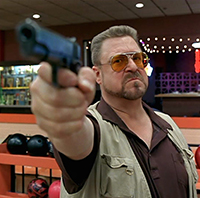 The Coen Brothers have had one of the most successful career outputs of any contemporary filmmaker, winning the Best Original Screenplay Oscar for Fargo and statuettes for Best Picture, Best Director and Best Adapted Screenplay for No Country for Old Men. But arguably their most popular film failed to receive a nomination. The Big Lebowski tells the singular story of The Dude, the laziest man in Los Angeles County, which places him high in the running for laziest worldwide. The Dude's almost surreal saga in which he is mistaken for a wealthy fatcat who happens to share the same birth name was written off as second-rate Coen when it first premiered, but in the years since it has gained prominence as one of the most beloved "cult movies" ever made, featuring unforgettable performances by Jeff Bridges as The Dude, Julianne Moore, Steve Buscemi, David Huddleston and especially John Goodman as The Dude's Vietnam-obsessed bowling buddy Walter. In a year when the Academy was making the Best Supporting Actor Oscar what amounted to a lifetime achievement award by giving it to James Coburn for the little-seen Affliction, it seems unjust that the underappreciated Goodman failed to even be nominated for his most memorable role; so the Hindsight Awards will rectify that now. The Dude abides.
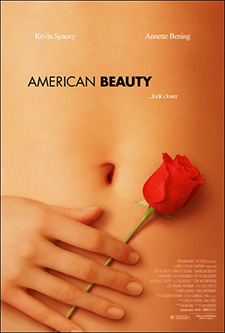 American
Beauty was the product of first-time screenwriter Alan
Ball and first-time film director Sam Mendes, both of whom
won Academy Awards for their maiden effort. The film is a
disturbingly dark male menopause story that slowly evolves
into a strange murder mystery, featuring wonderful performances
by Kevin Spacey, Annette Bening, Thora Birch, Wes Bentley,
Mena Suvari, and Chris Cooper (who was sadly overlooked for
a nomination against strong competition). American Beauty won the Oscar over outstanding opposition from nominees The
Cider House Rules, The Insider and The Sixth Sense
(fifth nominee The Green Mile was not remotely
on the same level), but was the deserved winner along with
awards for its two newcomers as well as one for cinematographer
Conrad Hall and for the brilliant work of Spacey as Best Actor.
Regrettably, the creative team who made American Beauty has not maintained the same high level (with the exception
of Ball, who went on to create the popular and quirky television
series Six Feet Under and True Blood).
Bening was wonderful in her Oscar nominated turns as a theatre
diva in Being Julia and as a lesbian betrayed by her longtime companion in The Kids are Alright, but she lost the professional momentum they won her
with disastrous bores like Running With Scissors and The Women.
Mendes followed his his memorable debut with the pretentious
and overlong Road to Perdition and Revolutionary Road, although he made a surprising comeback as the director of the James Bond mega-hit Skyfall. Spacey, whose remarkable string
of outstanding films that included his Best Supporting Actor
win for The Usual Suspects, LA Confidential and Se7en took a nose dive following American Beauty with such lamentable missteps as Pay It Forward, K-PAX, The
Shipping News, The Life of David Gale, Superman Returns, Casino Jack and his self-directed public relations fiasco Beyond the
Sea, a vanity project that did little for Spacey's crumbling
public image (although he did impressive work in the
theatre as the artistic director of the Old Vic in London and on the groundbreaking Internet television show House of Cards). That image reached its low point when he was accused by multiple victims of sexual misconduct, necessitating the almost-unprecedented move of reshooting his scenes as J. Paul getty in the otherwise completed All the Money in the World with Christopher Plummer.
American
Beauty was the product of first-time screenwriter Alan
Ball and first-time film director Sam Mendes, both of whom
won Academy Awards for their maiden effort. The film is a
disturbingly dark male menopause story that slowly evolves
into a strange murder mystery, featuring wonderful performances
by Kevin Spacey, Annette Bening, Thora Birch, Wes Bentley,
Mena Suvari, and Chris Cooper (who was sadly overlooked for
a nomination against strong competition). American Beauty won the Oscar over outstanding opposition from nominees The
Cider House Rules, The Insider and The Sixth Sense
(fifth nominee The Green Mile was not remotely
on the same level), but was the deserved winner along with
awards for its two newcomers as well as one for cinematographer
Conrad Hall and for the brilliant work of Spacey as Best Actor.
Regrettably, the creative team who made American Beauty has not maintained the same high level (with the exception
of Ball, who went on to create the popular and quirky television
series Six Feet Under and True Blood).
Bening was wonderful in her Oscar nominated turns as a theatre
diva in Being Julia and as a lesbian betrayed by her longtime companion in The Kids are Alright, but she lost the professional momentum they won her
with disastrous bores like Running With Scissors and The Women.
Mendes followed his his memorable debut with the pretentious
and overlong Road to Perdition and Revolutionary Road, although he made a surprising comeback as the director of the James Bond mega-hit Skyfall. Spacey, whose remarkable string
of outstanding films that included his Best Supporting Actor
win for The Usual Suspects, LA Confidential and Se7en took a nose dive following American Beauty with such lamentable missteps as Pay It Forward, K-PAX, The
Shipping News, The Life of David Gale, Superman Returns, Casino Jack and his self-directed public relations fiasco Beyond the
Sea, a vanity project that did little for Spacey's crumbling
public image (although he did impressive work in the
theatre as the artistic director of the Old Vic in London and on the groundbreaking Internet television show House of Cards). That image reached its low point when he was accused by multiple victims of sexual misconduct, necessitating the almost-unprecedented move of reshooting his scenes as J. Paul getty in the otherwise completed All the Money in the World with Christopher Plummer.  One
of the more peculiar awards in Oscar history was Topsy-Turvy for its unremarkable makeup design that depicted the premiere
production of Gilbert and Sullivan's The Mikado. Christine
Blundell and Trefor Proud provided quite ordinary theatrical
makeup for the mundane drama that paled in comparison to the
outstanding nominated work of Michele Burke and Mike Smithson
for Austin Powers: The Spy Who Shagged Me, Greg Cannom
for Bicentennial Man, and Rick Baker for Life. Topsy-Turvy (which also won the Oscar for its costume
design) received several honors that it didn't deserve, including
the New York Film Critics Award for Best Picture despite the
fact that it had very little plot and almost no dramatic conflict
(in real life, Gilbert and Sullivan hated each other while Sullivan
- who fancied himself a serious composer - detested the frivolous
nature of their collaborations; but the film barely touches
on this, with Sullivan only mildly objecting to the triviality
of Gilbert's librettos at the beginning of the film only to
be won immediately over by the story of The Mikado, the
most trivial material he ever produced).
One
of the more peculiar awards in Oscar history was Topsy-Turvy for its unremarkable makeup design that depicted the premiere
production of Gilbert and Sullivan's The Mikado. Christine
Blundell and Trefor Proud provided quite ordinary theatrical
makeup for the mundane drama that paled in comparison to the
outstanding nominated work of Michele Burke and Mike Smithson
for Austin Powers: The Spy Who Shagged Me, Greg Cannom
for Bicentennial Man, and Rick Baker for Life. Topsy-Turvy (which also won the Oscar for its costume
design) received several honors that it didn't deserve, including
the New York Film Critics Award for Best Picture despite the
fact that it had very little plot and almost no dramatic conflict
(in real life, Gilbert and Sullivan hated each other while Sullivan
- who fancied himself a serious composer - detested the frivolous
nature of their collaborations; but the film barely touches
on this, with Sullivan only mildly objecting to the triviality
of Gilbert's librettos at the beginning of the film only to
be won immediately over by the story of The Mikado, the
most trivial material he ever produced). 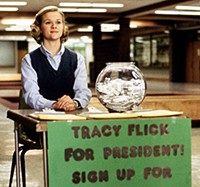 The
Best Actress race this year was a neck-and-neck contest between
Annette Bening and Hilary Swank, with Swank deservedly winning
for her staggeringly poignant breakthrough performance as the
tragic Brandon Teena, whose sexual confusion led to her tragic
murder. Of the other exceptional female performances this year,
the most outstanding one failed to receive a nomination: Reese
Witherspoon's hilarious turn as an obnoxious overachiever
running for student body president in the quirky comedy Election.
Witherspoon has developed into an outstanding actress, deservedly
winning the 2005 Best Actress Oscar for Walk the Line,
but her appearance as the vindictive Tracy Enid Flick represented
one of the most interesting and entertaining performances of
the year and should have brought her the first of many nominations.
The
Best Actress race this year was a neck-and-neck contest between
Annette Bening and Hilary Swank, with Swank deservedly winning
for her staggeringly poignant breakthrough performance as the
tragic Brandon Teena, whose sexual confusion led to her tragic
murder. Of the other exceptional female performances this year,
the most outstanding one failed to receive a nomination: Reese
Witherspoon's hilarious turn as an obnoxious overachiever
running for student body president in the quirky comedy Election.
Witherspoon has developed into an outstanding actress, deservedly
winning the 2005 Best Actress Oscar for Walk the Line,
but her appearance as the vindictive Tracy Enid Flick represented
one of the most interesting and entertaining performances of
the year and should have brought her the first of many nominations.

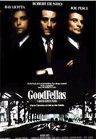
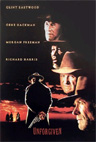
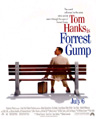
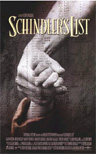
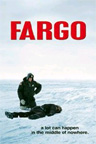
 Ian McKellen
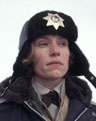 Frances McDormand