1950 • 1951 • 1952 • 1953 • 1954 • 1955 • 1956 • 1957 • 1958 • 1959 * Indicates that the film/performance was not nominated for an Academy Award in this category
1950
All
About Eve
Actor: José Ferrer (Cyrano de Bergerac)
Actress: Judy Holliday (Born Yesterday) Supporting Actor: George Sanders (All About Eve) Supporting Actress: Josephine Hull (Harvey) Director: Joseph L. Mankiewitz (All About Eve)
Sunset
Boulevard
Actor: José
Ferrer (Cyrano de Bergerac)
Actress: Bette Davis (All About Eve) Supporting Actor: Erich von Stroheim (Sunset Boulevard) Supporting Actress: Anne Baxter (All About Eve) Director: Billy Wilder (Sunset Boulevard)
1950
was one of those frustrating years where a number of classic
films were released, any one of which would have been Best
Picture had it been released the year before. Born Yesterday,
The Gunfighter, Father of the Bride, The Asphalt Jungle,
and the British-made The Third Man were all superior
to anything Hollywood came out with in 1949. But in 1950,
the race went down to two enduring masterpieces: All About
Eve and Sunset Boulevard. The Academy awarded Eve a record 14 nominations and 6 Oscars, but Sunset Boulevard was close behind with 10 and 3. Both films boasted brilliant
casts (especially in the Best Supporting Actor category, where
George Sanders' Oscar winning turn as an urbane drama critic
and Erich von Stroheim's classic performance as a mysterious
butler create unforgettable characterizations) and wonderfully
inventive screenplays that make having to select a "best"
between these two wonderfully entertaining and enduring films
a painful chore.
But
the staff of the Hindsight Awards doesn't shy away from such
dirty work, and the film that passes test of time far more
successfully is Sunset Boulevard. This may be in
part because All About Eve seems more dated because
it gives a contemporary view of a Broadway that is now a bygone
era, whereas Sunset Boulevard is looking back on
a world that was already dead when the film was made. Over
time the self-consciously witty dialogue of All About
Eve's self-absorbed characters become more and more annoying,
whereas the timeless Sunset Boulevard becomes fresher
with each new viewing. Wilder brilliantly cast Gloria Swanson
as the fallen idol Norma Desmond (after Mary Pickford, Pola
Negri and Mae West turned it down) because he knew that more
current actresses couldn't capture the style of the silent
era with the authenticity of someone who had been active in
it. Swanson responded with an extraordinary, unique performance
that is really unlike any other in the history of film (it
is unfortunate that she did her greatest work in such a competitive
year for female performances).
Worst Award
The
Best Foreign Film Oscar was still an honorary award in 1950,
and the Academy Board of Governors chose René Clément's The Walls of Malapagafor the honor, a
forgotten film about a murderer on the run seeking treatment
for a toothache. 1950 was a weak year for foreign films released
in the United States, with Ways of Love receiving the
New York Film Critics citation and the Oscar-winning documentary The Titan - The Story of Michelangelo being named Best
Foreign Film by the National Board of Review. In the end, the
most remembered foreign film released in the US in 1950 was
Jean Renoir's overrated The Rules of the Game, which
probably deserved on the basis of Renoir's direction if nothing
else. With memories of The Bicycle Thief behind us and
the anticipation of the brilliant Rashomon coming up
in 1951, it's probably best just to forget about the 1950 Best
Foreign Film Oscar and move on to more interesting subjects.
Biggest Oversight
Orson Welles was nominated for Best Picture, Best Actor, Best Director and won the Best Screenplay Oscar for his his film debut Citizen Kane, received a surprise Best Picture nomination for The Magnificent Ambersons the following year, and then was completely ignored by the Academy until they trotted him out to present him a lifetime achievement award in 1970. It's surprising that he wasn't nominated for his most popular role by far as the mysterious Harry Lime in The Third Man, a film the Academy thought so highly of that they nominated it for Best Director, Best Film Editing and awarded it the Best Black & White Cinematography award. It's a gripping suspense yarn until Welles finally appears late in the game and completely takes the movie over. The character was so successful for him that he starred in a spin-off radio series The Lives of Harry Lime in 1951/52 and while the Academy's final five of Von Stroheim, Sanders, Edmund Gwenn in Mr. 880, Sam Jaffe in The Asphault Jungle and Jeff Chandler in Broken Arrow were all worthy choices, we can't help but think that the race would have been more exciting if Harry Lime had been in their midst. Welles might not have agreed since he was said to resent the role, bitter that his most popular part was in a film that he didn't direct.
An
American in Paris
Actor: Humphrey Bogart(The African Queen)
Actress: Vivian Leigh (A Streetcar Named Desire) Supporting Actor: Karl Malden
(A Streetcar Named Desire) Supporting Actress: Kim Hunter
(A
Streetcar Named Desire) Director: George Stevens (A Place in the Sun)
A
Streetcar Named Desire
Actor: Marlon
Brando (A Streetcar Named Desire)
Actress: Vivian Leigh (A Streetcar Named Desire) Supporting Actor: Karl Malden
(A Streetcar Named Desire) Supporting Actress:
Kim Hunter
(A Streetcar
Named Desire) Director: Elia Kazan (A
Streetcar Named Desire)
Our
memories of the 1950s are best displayed in TV sitcoms of
the period like Leave It to Beaver, Make Room for
Daddy and Father Knows Best. They represented a
well-ordered world of easy answers and self-assured authority
figures who had everything under control. In reality, the
US of the 1950s was at one of its most intensive pressure
points, with the paranoia of McCarthyism and the constant
threat of nuclear war looming over everyone's head. In such
troubled times, people wanted to believe in easy answers and
welcomed the seeming simplicity of a repressed life. In such
a world, the torrid sexuality of A Streetcar Named Desire was a disquieting revelation. Dismissed by many as smut (critic
George Jean Nathan dubbed it Glands Menagerie after
playwright Tennessee Williams' earlier play The Glass Menagerie),
most discerning audiences immediately recognized it as the
intense work of art that it was. Even the oppressive Hollywood
censors of 1951 couldn't rob it of its white-hot effectiveness.
And with the groundbreaking work of the brilliant Marlon Brando
as Stanley Kowalski, everyone knew that A Streetcar Named
Desire was not only the best film of the year, but it
opened the door to a new honesty about sexuality that could
only be hinted at in the past.
All that
is immaterial when selecting the Academy Awards. Like Citizen
Kane before it, Streetcar couldn't be named Best
Picture because of things that had nothing to do with its
qualities as a motion picture. In such troubled times, a conservative
institution like the Academy could no more give an agitator
like Tennessee Williams the Oscar than a Hollywood studio
could give a blacklisted writer screen credit. And in a decade
when films like Rebel Without a Cause, The Blackboard Jungle and Salt of the Earth were forcing us to reconsider
the individual's place in society, the Academy was giving
Oscars to escapist drivel like Around the World in 80 Days and Gigi.
Its
easy to understand why a film like An American in Paris was selected as Best Picture in 1951. Considered a major upset
when it won the award (which was expected to go to George
Stevens' flawed and depressing tragedy A Place in the Sun), An American in Paris was actually very much in the
Academy Award vein: an impressive though ultimately unchallenging
big budget film made by high pedigree talent that the main
thing anyone remembers for is winning the Academy Award. An
American in Paris manages to be both pretentious (through
its overly stylized ballets that are far less entertaining
than what Kelly did in the `40s) and trivial (through its
almost nonexistent story, where Kelly and Leslie Caron display
no chemistry at all and one doesn't care in the slightest
if they get together at the end or not) at the same time.
Nobody really thought An American in Paris was the
best film made in 1951, but at least no one was made to feel
uncomfortable at its selection.
Worst Award
The
Academy loved Tom & Jerry, giving MGM's animated cat and mouse
seven Oscars for Best Cartoon. Their streak continued in 1951,
with producer Fred Quimby winning for Two Mouseketeers, the story of Jerry and his fellow mouseketeer Nibbles attempting to crash a lavish royal banquet over the objections of perennial wet blanket Tom.
Alas, Tom & Jerry's popularity has diminished over the years (were it not for Jerry's unforgettable dance with Gene Kelly in Anchors Aweigh, the pair might not be remembered at all) ,
while the affection for Warner Bros.' stable of Looney Tunes
characters grows ever stronger, making one wonder why the series
didn't fair better in the Oscar voting. The most conspicuous
victim of the Oscar's disregard of Looney Tunes cartoons was
the great Bugs Bunny, who received a single Oscar for Best Cartoon
for 1959's Knighty-Knight Bugs. The Wascully Wabbit appeared
in The Faired Haired Hare, Rabbit Every Monday and Rabbit
Fire in 1951, but failed once again to receive a nomination.
Biggest Oversight
The Oscars began a trend it followed throughout the 1950s of snubbing modestly budgeted films in the Best Picture Race that would go on to become beloved classics in favor of overblown blockbusters that are forgotten today. Chief among these overlooked masterpieces in 1951 are The African Queen, Strangers on a Train, and the sci-fi classic The Day The Earth Stood
Still. The science fiction genre would be snubbed by the Academy until 2001: A Space Odyssey but many
screenwriters writers began turning to science fiction in the 1950s, feeling that
their serious messages could be more palatably served if blunted
by the artifice of space ships and ray guns. Two of the first
to take this step were Harry Bates (story) and Edmund H. North (screenplay) for the Robert Wise-directed film, with its message we must live peacefully
or be destroyed as a danger to other planets. Because the Academy looked down its nose at the science fiction genre, the film was not taken
seriously enough to receive nominations
but it is a far more artistically successful and frequently revived film than
Best Picture nominees Decision Before Dawn or Quo
Vadis.
The
Greatest Show on Earth
Actor: Gary Cooper(High Noon)
Actress: Shirley Booth (Come Back, Little Sheba) Supporting Actor: Anthony Quinn (Viva Zapata) Supporting Actress: Gloria Grahame
(The Bad and the Beautiful) Director: John Ford (The Quiet Man)
Singin'
in the Rain*
Actor: Gary Cooper(High Noon)
Actress: Shirley Booth (Come Back, Little Sheba) Supporting Actor: Donald O'Connor
(Singin' in the Rain)* Supporting Actress: Edith
Evans (The Importance of Being Earnest)* Director: Gene Kelly and Stanley Donen
(Singin' in the Rain)*
The
biggest box office hit of 1952 was This is Cinerama,
a travelogue that showed off the new widescreen, three-camera
process of Cinerama. Its phenomenal success sent a clear message
to Hollywood; that in order to combat the coming of television,
the greatest weapon at its disposal was size. Films didn't
have to be good in order to succeed. They had to be big. The
Academy chose not to honor the best film of 1952, but the
biggest: Cecil B. DeMille's gargantuan tribute to life under
the big top, The Greatest Show on Earth. Frequently
derided as the worst film to win the Best Picture award, DeMille's
Oscar winner is a tired soap opera that rises above its hackneyed
material only by virtue of its size. But in 1952, size is
exactly what movie audiences wanted, so it is difficult to
fault the Academy for selecting it any more than it is difficult
to fault them for voting for The Broadway Melody in
1928/29. Had a more objective panel been voting for the award,
the Oscar probably would have gone to High Noon. But
there was a backlash against that film because its Oscar nominated
screenwriter Carl Foreman was under investigation by the McCarthy
committee; so right-thinking Academy members naturally assumed
that it had some underlying Red sentimentalities even though
it starred All American Gary Cooper. Fortunately for the security
of the United States, Foreman was eventually blacklisted;
although he (and fellow blacklistee Michael Wilson) did later
win an Oscar for The Bridge on the River Kwai, using
the novel's original author, Pierre Boulle, as a front.
With
all this going on, it is a shame that the film universally
regarded as the year's best slipped through the cracks. Singin'
in the Rain was selected by the American Film Institute
as the 10th best film ever made and is frequently named as
the definitive movie musical. It was appreciated in its own
time as well, winning the award from the Writers Guild as
Best Written American Musical and a nomination from the Directors
Guild for Outstanding Directorial Achievement in Motion Pictures
for Stanley Donen and Gene Kelly. But it didn't get much respect
from the Academy in the year that it came out, receiving a
paltry two Oscar nominations (for Best Supporting Actress
for Jean Hagen and Best Scoring of a Musical Picture). The
most likely explanation of the snub is that the Academy didn't
want to honor another Gene Kelly musical so soon after giving An American in Paris the top prize. Another example
of a film not being named Best Picture for reasons that had
nothing to do with its artistic quality.
Worst Award
Singin'
in the Rain's Oscar forBest Scoring of a Musical
Picture was won by With a Song in My Heart, a
melodramatic biopic of singer Jane Froman who is left without
the use of her legs following a plane crash during a USO tour
during World War II. Alfred Newman was one of the greatest composers in film history and he did
his usual craftsmanlike job arranging Froman's now-dated catalogue
of songs, but we feel that could could have spared one of the nine Oscars he won over the course of his career to Lennie Hayton for what is probably the most memorable musical film of the 1950s.
Biggest Oversight
Donald
O'Connor never made a tremendous impact in films, being
best known for starring in the Francis, the Talk Mule series. In fact, if he had not appeared in Singin' in the Rain,
no one would know how ill-used this spectacular talent was.
That he was overlooked for the Best Supporting Actor Oscar he
clearly deserved for his awe-inspiring work in it was indicative
of the state of O'Connor's career: no one ever seemed to appreciate
just how talented he was. In a more perfect world, he might
have been placed on the same level as Fred Astaire and Gene
Kelly. The Oscar went to Anthony Quinn in a surprise selection as Marlon Brando's brother in Viva Zapata! The award was expected to go to Richard Burton for his Hollywood debut in My Cousin Rachel. It was the first of seven Oscar nominations that Burton would go on to lose and while we adamantly support O'Connor for The Hindsight Award, we have to admit that it would have saved a lot of frustration if they'd just given the thing to Burton in the first place.
From
Here to Eternity
Actor: William Holden (Stalag 17)
Actress: Audrey Hepburn (Roman Holiday) Supporting Actor:Frank Sinatra
(From Here to Eternity) Supporting Actress: Donna Reed
(From Here to Eternity) Director: Fred Zinnemann (From Here to Eternity)
Roman
Holiday
Actor: Montgomery Clift (From Here to Eternity)
Actress: Audrey Hepburn (Roman Holiday) Supporting Actor:Frank Sinatra
(From Here to Eternity) Supporting Actress: Thelma Ritter
(Pickup on South Street) Director: William Wyler (Roman Holiday)
Fred
Zinnemann's film of James Jones' best-selling novel From
Here to Eternity was the perfect film to select for Best
Picture in 1953: A well-acted drama that created controversy
for its steamy sex scenes (without being too controversial
or too sexy). It is an enjoyably elaborate soap opera,
with wonderfully memorable performances by Burt Lancaster,
Deborah Kerr, Donna Reed, Frank Sinatra and particularly Montgomery
Clift as the tortured Private Robert E. Lee Pruitt, that tied
the record for the most Oscar wins with eight and won many
of the other year-end awards as well, including those from
the New York Film Critics and the BAFTAs. But there is no
question that movie standards of the day toned down the torrid
sexuality and brutality of the novel considerably, and there are lapses
in the logic of the story (Clift's devotion to the army after
being horribly mistreated during his service makes no sense
at all). It's a fantastic movie that we never tire of watching, and we think of it with respectful appreciation.
Unfortunately for From Here to Eternity, it came out the same year as a movie we adore more every time we watch it. William Wyler's delightful Roman
Holiday, which introduced a fresh new talent named Audrey
Hepburn to the screen (not counting the few minor parts she
had already played in some European films, including a nonspeaking
role the Ealing Studios 1952 classic The Lavender Hill
Mob), who won the role only after original director Frank
Capra (who would have made it with Elizabeth Taylor and Cary
Grant) allowed his option to pass on it. Fresh is exactly
the word for Roman Holiday: a breathtaking romantic
comedy that makes one believe in love. It's a rare thing when
the Academy gives its top prize to a romantic comedy, and
with Serious Drama like From Here to Eternity, Shane and The Robe in the running, it never had a chance.
But Roman Holiday has a singular evergreen quality
about it: despite spawning more derivitive imitations than
perhaps any film ever made, it is as affecting, charming and
amusing now as the day it premiered. The next time it's playing
on television on a rainy afternoon, check it out and see if
you don't wind up falling a little in love yourself.
Worst Award
When
the Academy was deciding who should win the Best Color Costume
Design Oscar, they looked at all of the nominees with the same
criterium they always use: give the award to the film that isn't
set in the 20th century. As a result, they selected The
Robe, a maudlin spectacle about a Roman tribune present
at the crucifixion who wins Christ's robe in a game of dice.
A smash hit in its day because it introduced Cinemascope to
the screen, The Robe is a very run-of-the mill epic whose
unexceptional costumes were outclassed by nominees The Band
Wagon, Call Me Madam and How to Marry a Millionaire.
Of course all of those films were set in the present, so
they never had a chance.
Biggest Oversight
When
Marlon Brando was shooting Julius Caesar, he went to
fellow cast member John Gielgud for help with the Shakespearean
text. Brando's performance as Marc Antony so impressed the Academy
that he received his third consecutive Best Actor nomination,
but the performance in the film that is most memorable is Gielgud's
Cassius. The great Shakespearean actor had virtually turned
his back on film throughout his career (including turning down
the title role in MGM's 1936 production of Romeo & Juliet),
but when director Joseph L. Mankiewitz approached him about
playing Cassius in his screen version of Julius Caesar (which Gielgud had played triumphantly at Stratford in 1950),
Gielgud couldn't turn him down and delivered one of the great
Shakespearean performances on film (equaled only by Olivier's
Henry V and Richard III, Kenneth Branagh's Henry V, and Ian
McKellen's brilliantly fascist Richard III). James Mason is
a powerful and memorable Brutus in the film and was worthy of
a nomination himself (he was named Best Actor by the National
Board of Review in a busy year, winning the award for his performances
in The Desert Rats, Face to Face and The Man Between as well as Julius Caesar), but the Academy was so impressed
with Brando's conversion from mumbler to orator that they gave
him the nomination, even though his Marc Antony is really a
supporting role. Gielgud is the one who continues to impress
audiences.
On
the Waterfront
Actor: Marlon Brando (On the Waterfront)
Actress: Grace Kelly (The Country Girl) Supporting Actor: Edmond O'Brien (The Barefoot Contessa) Supporting Actress: Eva Marie Saint (On the Waterfront) Director: Elia Kazan (On the Waterfront)
On
the Waterfront
Actor: Marlon Brando (On the Waterfront)
Actress: Judy Garland (A Star is Born) Supporting Actor:Lee J. Cobb
(On the Waterfront) Supporting Actress: Eva Marie Saint
(On the Waterfront Director:
Elia Kazan (On the Waterfront)
On
the Waterfront placed number 8 on the AFI's list of the
hundred greatest American films on the twentieth century. No
other films from this year made the list, although the omission
of Seven Brides for Seven Brothers does seem like a peculiar
oversight. But even with this nitpicking, it is clear that Elia
Kazan's drama about corruption on the docks was far-and-away
the finest film of the year, and it's a relief that even the
Academy recognized it, giving On the Waterfront a then-record
eight Oscars (tying it with Gone With the Wind and From
Here to Eternity for the most statuettes to date). Not all
of those awards were no-brainers (Seven Brides certainly
should have given it a run for its money for the editing award),
but Elia Kazan's direction and the performances of Marlon Brando
and Eva Marie Saint were without peer. And while Edmond O'Brien
undeservedly won the Best Supporting Actor Oscar for his tiresome
performance as a press agent in The Barefoot Contessa,
it didn't hurt his cause that three nominated performances from On the Waterfront canceled each other out. (A film receiving
three acting nominations in one category had only been accomplished
once before, for Mutiny on the Bounty, and would only
be equaled thrice more, for Tom Jones and the first two
installments of The Godfather).
Worst Award
Grace
Kelly was everywhere in 1954, appearing in Green Fire, Rear Window,
Dial M for Murder and in her Oscar winning performance as
a dowdy housewife henpecking her actor husband back to the top
in The Country Girl. The Academy was itching to give
the glamorous Kelly the Oscar but she was totally miscast as
the frumpy housewife (Uta Hagen won a Tony Award for playing
the role in the Broadway production), and attempts to dress
her down for the part have the same effect as the "ugly"
girl in all those teenage sex comedies that is played by a Playboy
model wearing thick eyeglasses. The award clearly should have
gone to Judy Garland for her comeback role in A Star is Born, but by that time
Kelly was MGM's hottest female property (with the approval of Paramount Studios, who benefitted from from some lucrative loan-outs) and Garland was
Hollywood outcast without a P.R. department to call her own.
Biggest Oversight
The
Academy frequently gives out Special Awards to make up for past
injustices, and they had quite a bit of housekeeping to do in
1954. Choreographer Michael Kidd was awarded a Special Oscar
in 1996 for his career achievement in films, despite the fact
that he'd only worked on ten movies. The Special Oscar was actually
for Kidd's phenomenal work on Seven Brides for Seven Brothers.
The following year, an even bigger oversight was rectified
when director Stanley Donen received a Special Oscar
as well. Donen's movie career output was much greater than Kidd's
(who had a distinguished Broadway career, winning five Tony Awards),
but he was always overlooked in the Best Director race. This
snub was never more apparent than in 1954, when Seven Brides
for Seven Brothers was nominated for five Oscars including
Best Picture, but not Donen for Best Director; who absurdly never received a single nomination despite being the obviously deserving co-winner of the Best Director Oscar
along with Gene Kelly for 1952's Singin' in the Rain and turning in one of the greatest directorial tour de forces of the 1960s with Two for the Road. When Donen finally
won his Special Oscar, he gave one of the greatest and most
memorable acceptance speeches in the award's history. The Academy
must have kicked themselves for waiting so long.
Marty
Actor: Ernest Borgnine (Marty)
Actress: Anna Magnani (The Rose Tattoo) Supporting Actor: Jack Lemmon (Mister Roberts) Supporting Actress: Jo Van Fleet (East of Eden) Director: Delbert Mann (Marty)
Marty
Actor: Spencer Tracy (Bad Day at Black Rock)
Actress: Susan Hayward (I'll Cry Tomorrow) Supporting Actor: Jack Lemmon(Mister Roberts) Supporting
Actress: Lillian Gish(Night of the Hunter*) Director: Charles Laughton (Night of the Hunter)*
At
first glance, the Academy's selection of the modest, low-budget Marty seemed to be their way of continuing to apologize for naming the behemoth The Greatest Show on Earth as Best Picture in 1952. But Marty was a revelation in 1955, winning all of the major film awards handed
out that year and universal acclaim for the performance of Ernest
Borgnine in the title role of a butcher who spends his free time
hanging around with his buddies asking the eternal question "Whattayoo
wanna do tonight?" Prior to Marty, Borgnine was best
known as a villain in films like From Here to Eternity and Bad Day at Black Rock, but his sensitive performance won
him a brief period of stardom in somber dramas like The Catered
Affair and The Rabbit Trap before returning to his true calling
in supporting roles in blockbusters like The Dirty Dozen and The
Poseidon Adventure. But for all the sensation Borgnine created
as Marty Piletti and as moving as the film undeniably is, it's not always easy to understand what the fuss was
about. Based on Paddy Chaevsky's 1952 teleplay, the film frankly
looks like a TV show and Ernest Borgnine's bland performance as
a bland butcher sometimes comes off as, well, bland. But there is an undeniable poetry to the blandness and poetry is a commodity that is often in short supply on motion picture screens.
Although
generally regarded as a weak movie year, there were numerous
films
released in 1955 that some quarters prefer to the gentle hopefulness of Marty. A Rebel Without a Cause is usually pointed
to as the most influential film of the year, but its influence
seems
to come more from James Dean's landmark performance than from the
film as a whole. And Charles Laughton's superb directorial debut Night of the Hunter has enjoyed an enormous rise in its reputation since being written off as a box office flop when it first came out. But it lacks the emotional impact of Marty. As for the Academy's final four, Love is a Many Spendored Thing, Mister Roberts, Picnic and The Rose Tattoo, they're all second-string entries which wouldn't have stood a chance of a nomination in the far-stronger 1954. But we're still not entirely sold on Marty and look hopefully to other deserving possibilities: Bad Day at Black Rock, East of Eden and Blackboard Jungle, to name a few. While we're not altogether thrilled to admit it, when we consider these films and then ask ourselves "Whattayoo
wanna do tonight?", the answer inevitably comes back as watch Marty. It's not a selection we're terribly excited about but when considering the other options, we have to grudgingly acquiesce that it was the best the movies had to offer that year.
Worst Award
After grudgingly going along with the selection of Marty as Best Picture (whose success is almost entirely due to Paddy Chaevsky's touching screenplay), we're drawing the line at giving Ernest Borgnine the Best Actor Oscar prize. Borgnine was honored for
a performance which straddled a fine line between being earnest
and being merely maudlin, and while it certainly had its engaging
aspects does not have the impact of the now-legendary performance
of James Dean in Rebel Without a Cause. Dean unquestionbly had the "it" factor in his few screen appearances before his untimely death, but his iconic presence doubtless made the lasting impact it did because of a cult that grew from his passing and romanticized him into far more than he really was, which was an undisciplined young colt who had the good fortune of working with strong directors who reigned in his self-indulgences with mixed results (Dean was strangely nomineted not for Rebel Without a Cause, but for his less remembered work in East Of Eden, in which his lack of experience is more apparent).
If Dean had lived, he might have developed into a talent that rivaled Marlon Brando. But he could have just as easily declined into another Anthony Franciosa or Robert Blake. Sadly, we'll never know.
Perhaps just as sadly, we know eactly where Borgnine's abilities leveled out. He gave a moving performance as Marty but after his Oscar win, he settled into a busy, though
unremarkable career as a character actor best known for the sitcom McHale's Navy; his place in the pantheon of Oscar winners is an undeniable aberration. He was nominated alongside Hollywood heavyweights like Frank Sinatra in The Man With the Golden
Arm and James Cagney in Love Me or Leave Me, but we can still see Borgnine riding the popularity of Marty's coat tails to Oscar gold. Even adding non-nominated actors like
Henry Fonda in Mister Roberts, Robert Mitchum in Night
of the Hunter, Glenn Ford in Blackboard Jungle and Tom Ewell in The Seven Year Itch into the field, Borgnine seems like a reasonable choice among some tough competition. But his David can't stand up to the Goliath of Spencer Tracy, considered by many to be the screen's greatest actor (at least until the coming of Marlon Brando). Tracy's performance in Bad Day at Black Rock as a one-armed man out to discover a small town's closely-guarded secret has proved to be one of his most enduring roles and a master class in film acting. Ironically, Borgnine also appeared in Bad Day at Black Rock, but you can be forgiven if you didn't remember that. Compared to Tracy, Borgnine was like a boxer competing way out of his weight class.
Biggest Oversight
The
only person to win the Best Director Oscar for the only film he
directed was Jerome Robbins for West Side Story. If justice
had been served, Charles Laughton would have been added to
that list for his solo attempt at directing, the suspenseful Night
of the Hunter. Virtually unnoticed when it came out, Laughton's
tale of good versus evil was a director's showcase of cinematic
tricks that is now recognized as a classic. The film benefited from
sterling performances from Robert Mitchum, Lillian Gish and Shelley
Winters, a tense screenplay by James Agee, and atmospheric cinematography
by Stanley Cortez, but the bulk of its success must be attributed
to Laughton's direction. Laughton never attended the Oscars when
he was nominated as an actor and it's doubtful that his omission
in the Best Director race caused him to break his stride, but the
shutout of Night of the Hunter for any recognition at the
1955 Academy Awards does seem puzzling today.
Around
the World in 80 Days
Actor: Yul Brynner (The King and I)
Actress: Ingrid Bergman (Anastasia) Supporting Actor: Anthony Quinn (Lust for Life) Supporting Actress: Dorothy Malone
(Written on the Wind) Director: George Stevens (Giant)
The
Searchers*
Actor: John Wayne(The Searchers)*
Actress: Judy Holliday (The Solid Gold Cadillac)* Supporting Actor: Anthony Quinn (Lust for Life) Supporting Actress: Dorothy
Malone
(Written on the Wind) Director: John Ford (The Searchers)*
After
selecting two small-scale films for the Best Picture Oscar
in 1954 and 1955, the Academy went back to the "bigger
is better" line of thinking, selecting the widescreen
extravaganza Around the World in 80 Days. It was a
popular choice that received most of the other year-end awards
as well, although now the film seems like little more than
an overlong travelogue without any real entertainment value
or dramatic resonance. Phineas Fogg & Company's episodic adventures fail to build on each other to create anything like a story and Fogg resolves every obstacle that confronts him in the same unimaginative way: by throwing money at it. The film's convention of featuring well-known actors in "cameo" roles (a clever gimmick of famous faces appearing in walk-on parts) is a fun innovation, but hardly enough to give it Best Picture consideration over other nominees that included the epic soap
opera Giant, the enjoyably outlandish Biblical super-production The Ten Commandments, the Rodgers & Hammerstein musical The King and I, and William Wyler's gentle drama about
a Quaker family, Friendly Persuasion. The latter blew
the lid off the award when blacklisted writer Michael Wilson
was nominated, violating the new Academy rule that prevented
accused Reds of receiving nominations so that the official
Academy roles listed the film as being nominated, but decreeing
that "writer Michael Wilson was ineligible under Academy
bylaws." Wilson didn't receive credit on another motion
picture screenplay for ten years, although he did win an Oscar
for the script of The Bridge on the River Kwai (with
co-writer Carl Foreman) in 1957 using Pierre Boulle, the writer
of the original novel, as a front.
The
Academy might have saved themselves some trouble by nominating
some vastly superior films that weren't so steeped in controversy.
Akira Kurasawa's The Seven Samurai was the finest film
released in the US, but it never had a chance for the Best
Picture Oscar (it would still be another thirteen years before
the Academy broke the precedent it had set with a nomination
for a foreign film with La Grande Illusion), although
it did receive nominations for black and white art direction
and costume design. The other great masterpiece of 1956 was
John Ford's The Searchers, which strangely did not
receive a single nomination despite its spectacular cinematography
and the greatest performance of John Wayne's career. Overlooked
in its own time, The Searchers is now considered one
of the greatest films in the history of the cinema.
Worst Award
Producer
Mike Todd tried to give humorist S.J. Perelman the sole credit
for writing the screenplay to Around the World in 80 Days,
feeling that it would give the enterprise more prestige. The
Writer's Guild intervened, and co-writers James Poe and John
Farrow were not only given screen credit, but the three shared
the Oscar for Best Adapted Screenplay. In fact, Around the
World in 80 Days' tedious screenplay is the worst thing
about it; an endless series of dull episodes that don't make
up any real dramatic structure. Far superior adaptations were
supplied by Michael Wilson for Friendly Persuasion, but
he was ruled ineligible for the award because of a new Oscar
bylaw that ruled anyone who "had admitted Communist Party
membership and has not renounced that membership, if he has
refused to testify before a Congressional Committee or if he
has refused to respond to a subpoena from such committee"
ineligible; and from Frank S. Nugent for The Searchers,
Ray Bradbury and John Huston for Moby Dick, Philip Yordan for The Harder
They Fall, Abe Burrows for The Solid Gold Cadillac, and Æneas
MacKenzie, Jesse L. Lasky Jr., Jack Gariss and Fredric M. Frank
for The Ten Commandments;
none of which was even nominated. The final winner probably should have been The Searchers, although it would have been a source of guilty pleasure to see The Ten Commandments take the award home. Any screenwriter with the guts to write a line like "Oh, Moses, Moses, why of all men did I fall in love with a prince of fools?" deserves some recognition.
Biggest Oversight
When John Wayne finally won the Best Actor Oscar for True
Grit in 1969, it was more in recognition for the culmination
of his career than for anything spectacularly different he did
with the role of Rooster Cogburn. Wayne was perceived as a strong but fairly
limited actor who gave the same durable one-dimensional performance
in all his films, but he could be a performer of surprising depth who gave a moving performance in his only only other Oscar nominated role, The Sands of Iwo Jima, and was similarly effective in Red River, She Wore a Yellow Ribbon and Rio Bravo before settling into playing a caricature of himself that was strangely lauded as an icon of the military despite his having never actually served in the armed forces. Wayne's greatest work as an actor was his
multi-layered tour de force in The Searchers. His masterful depiction
of the racist and bitter
Ethan Edwards was revelation in John Ford's powerful western, and his failure
to be nominated for the Best Actor Oscar for this compelling
performance over lesser work by Rock Hudson and James Dean in Giant or the surprise selection of Laurence Olivier in the hit-and-miss film version of his greatest stage role Richard III is one of the greatest oversights in the history
of the Academy Awards.
The
Bridge on the River Kwai
Actor: Alec Guinness (The Bridge on the
River Kwai)
Actress: Joanne Woodward (The Three Faces of Eve) Supporting Actor: Red Buttons (Sayonara) Supporting Actress: Miyoshi Umeki (Sayonara) Director: David Lean (The Bridge on the River Kwai)
The
Bridge on the River Kwai
Actor: Alec Guinness (The Bridge on the
River Kwai)
Actress: Joanne Woodward (The Three Faces of Eve) Supporting Actor: Sessue Hayakawa
(The Bridge on the River Kwai) Supporting Actress: Elsa Lanchester
(Witness for the Prosecution) Director:
David Lean (The Bridge on the River Kwai)
The
Bridge on the River Kwai was so overwhelmingly the selection
as best film of the year in 1957 by the people who handed
out year-end awards that films would proudly advertise when
they came in as runner-up in the voting, and it is a clear
winner in the Hindsight Awards as well. David Lean's drama
based on Pierre Boulle's novel featured a brilliant cast and
a marvelous screenplay by Michael Wilson and Carl Foreman
(who used Boulle as a front after being blacklisted by Joseph
McCarthy) and remains today as the definitive prisoner of
war film ever made. It also had a marvelous cast in William
Holden, Jack Hawkins, and a star-making turn by Alec Guinness
as the leader of the prisoners who becomes more obsessed with
completing the bridge than his Japanese captors, which won
every year-end film award despite the fact that he was only
the third choice for the role after Noël Coward and Charles
Laughton. The Bridge on the River Kwai was named Best
Picture by the National Board of Review, the BAFTAs, the Golden
Globes, the New York Film Critics, and won seven Oscars, including
Best Pictures.
With
such an open-and-shut case for the Best Picture, it seems
appropriate to analyze the other nominees, which were Peyton
Place, Sayonara, 12 Angry Men, and Witness for the
Prosecution. Of these four, only the powerful 12 Angry
Men (although dated by virtue of its all-white all-male
jury) and Billy Wilder's delightful adaptation of Agatha Christie's
Witness for the Prosecution still pack enough punch
to warrant a nomination. Were the finalists announced today,
the final two spots would be taken by Elia Kazan's indictment
of the entertainment industry A Face in the Crowd (featuring
an anti-Mayberry characterization from the underrated Andy
Griffith) and Alexander Mackendrick's exposé of the
public relations industry, The Sweet Smell of Success.
Worst Award
George
Wells won the Best Original Screenplay Oscar for his trifling
script for Designing Woman, beating out the work of Federico
Fellini, Ennio Flaiano and Tullio Pinelli (nominated for Vitelloni
but not for Nights of Cabiria) and the non-nominated
Ingmar Bergman for The Seventh Seal. The Oscars were
becoming more generous in honoring foreign films with nominations,
but not with awards. Both Fellini (who holds the record for
most writing nominations without ever winning) and Bergman were
nominated several time for their screenplays, but the Academy
could never bring themselves to hand them an Oscar for anything
but Best Foreign Film. Meanwhile, Wells had a long journeyman career that began in 1946 and extended to 1994's Angels in the Outfield, penning trivial entries like Party Girl and Where the Boys Are. Designing Woman was Wells' only appearance on the Oscar Roll of Fame yet he still won more screenwriting awards than Federico
Fellini and Ingmar Bergman combined. Questo non è giusto or, to make members of the Writer's Branch more comfortable, that ain't right.
Biggest Oversight
In
1992, What's Opera, Doc? was chosen by the Library
of Congress' National Film Preservation Board as one of 25 "culturally,
historically or aesthetically significant films" to add
to the National Film Registry, and it is frequently named as
the sum total of many people's education on classical music.
This landmark cartoon failed to even be nominated for Best Short
Subject (Cartoon), the winner being the delightful, but inferior
Sylvester short Birds Anonymous. Edward Seltzer produced
both films, so at least the Academy awarded the right person
that year, but the overlooked Bugs Bunny would have to wait
another year before collecting his first (and only) Academy
Award, for Knighty-Knight, Bugs.
Gigi
Actor: David Niven (Separate Tables)
Actress: Susan Hayward (I Want to Live!) Supporting Actor:Burl Ives (The Big Country) Supporting Actress: Wendy Hiller (Separate Tables) Director: Vincente Minnelli (Gigi)
Vertigo*
Actor: James Stewart (Vertigo)*
Actress: Rosalind Russell (Auntie Mame) Supporting Actor: David Niven (Separate Tables) Supporting Actress: Hermione Gingold (Gigi)* Director: Alfred Hitchcock (Vertigo)*
MGM
commissioned the lavish film musical Gigi from the creative
team that crafted the most popular stage musical of the 1950s, My Fair Lady. The result was another sumptuous Pygmalion
story of a young woman who balks at being forced to fit into
a mold in order to make her way in polite society. The film
was a smash hit and won a record number of Academy Awards
in 1958 (9 - a record that would stand for exactly one year),
and its easy to see why. Elaborately produced with high pedigree
talent, it excelled in all the areas that the Oscars recognize.
But as skillfully made as it is, viewing the film does leave
one with a somewhat empty feeling; sort of like receiving
an impeccably wrapped gift that contains a present you don't
find terribly interesting (the perennial "Thank Heavens for Little Girls" comes off as nothing short of creepy now). A better choice for Best Picture
among the nominees would have been Stanley Kramer's powerful
though heavy-handed plea for racial equality The Defiant
Ones or Richard Brooks' sanitized film of Cat on a
Hot Tin Roof, featuring a brilliant supporting performance
by Burl Ives as Big Daddy that was mistakenly classified in
the Best Actor category so that it didn't get the recognition
it deserved (the Academy made it up to Ives by naming him
Best Supporting Actor for playing a similar role in The
Big Country).
But
the most enduring film of 1958 came from the Master of Suspense
Alfred Hitchcock: Vertigo. Hitchcock was never taken
seriously enough to win the Best Director Oscar (his Rebecca was named Best Picture of 1940, but the Best Director Oscar
went to John Ford for The Grapes of Wrath), but his
films of the 1950s (Strangers on a Train, Rear Window,
North by Northwest) are among the most memorable of the
decade. Vertigo, the mind-numbing tale of a San Francisco
detective suffering from acrophobia who becomes obsessed with
the object of his investigation, topped them all, featuring
one of James Stewart's finest performances and the best work
of Kim Novak's career. It was, regrettably, the final collaboration
of Hitchcock and Stewart when the director unfairly blamed
his star for the film's poor box office showing and refused
to work with him again. Its reputation has skyrocketed in the ensuing decades, and Site & SoundMagazine crowned it as the greatest film ever made in its most recent once-a-decade listing of the top cinematic achievement, taking the top spot that had been previously held by Citizen Kane.
Worst Award
When
the great English actress Wendy Hiller won the Best Supporting
Actress Oscar forher forgettable performance in Separate
Tables, she said "All you could see was the back of
my head. Unless they give some award for acting with one's back
to the camera, I don't see how I could have won." Indeed,
the distinguished Hiller (who gave memorable Oscar nominated
performances in Pygmalion and A Man for All Seasons)
made minimal impact in the film, and it is a mystery that she
was nominated for the award, much less won it. Meanwhile, while we thought the Academy went overboard with its adulation for Gigi, one nomination that it didn't receive that it should have won was Hermione Gingold's Golden Globe-winning turn as Madame Alvarez. It was a colorful, memorable performance in a classic film and while the virtues of Separate Tables are many, Hiller's role allowed her to be neither colorful nor memorable.
Biggest Oversight
Alfred
Hitchcock was nominated for the Best Director Oscar five
times (Rebecca, Lifeboat, Spellbound, Rear Window, and Psycho), never winning in spite of his singular style that
makes many classify him as one of the great directors in history.
Overlooked in its initial release (it received a solitary nomination
for Best Sound),Vertigo is now regarded as one of the
most complex and suspenseful films in the Hitchcock canon. Hitchcock blamed the financial failure of Vertigo on the waning box office pull of star James Stewart (who offers what may be the most mulifaceted performance of his career), but the film was really ahead of its time and challenged audiences with many of its surreal elements and intricate plot twists which now seem far more compelling than the well-dressed fluff of Gigi or Separate Tables. Hitchcock stayed at the top of his game for a couple of more years, turning out the classics North by Northwest and Psycho, but it
wouldn't be long before he started to believe all the
nonsense the auteurists started saying about him and
his work took a downward turn that he would never return from. But with Vertigo he was
still at his unpretentious best, and deserved the Best Director
Oscar that had always been denied him.
Ben
Hur
Actor: Charlton Heston (Ben Hur)
Actress: Simone Signoret (Room at the Top) Supporting Actor: Hugh Griffith (Ben Hur) Supporting Actress: Shelley Winters (The Diary of Anne Frank) Director: William Wyler (Ben Hur)
Ben
Hur
Actor: Cary Grant (North by Northwest)*
Actress: Marilyn Monroe (Some Like It Hot)* Supporting Actor: Arthur O' Connell
(Anatomy of a Murder) Supporting Actress: Shelley Winters (The Diary of Anne Frank) Director:
William Wyler (Ben Hur)
Ben
Hur won more Academy Awards than any other film and although
its record total has since been equaled by Titanic and The Lord of the Rings, the Return of the King,
its stranglehold on the movie prizes in 1959 is understandable
- it's so big a presentation that it just seems like the best the year had to offer. With its cast of thousands
and epic production values, it is as dazzling now as when
it first premiered despite such curious casting choices as
Welshman Hugh Griffith as an Arab and ulta-WASP Charlton Heston
as Judah Ben Hur (whose most famous roles as Ben Hur and Moses
depict the two most non-Jewish Jews in cinema history), both
of whom won Academy Awards for performances that can be charitably
described as self-indulgently theatrical. But what Ben
Hur lacks in subtle humanity, it makes up for in spectacle,
with its celebrated chariot race being justifiably canonized
as one of the most exciting action sequences ever filmed.
It can be argued that The Diary of Anne Frank or Anatomy
of a Murder carry more dramatic punch or that Some
Like It Hot or the unnominated North by Northwest are
more entertaining, but few films are as impressive for the
shear spectacle of their presentation as Ben Hur. Anyone
who has seen the film only on television might yawn at the
choice; but seen on the big screen, Ben Hur continues
to impress.
Worst Award
The
Academy got carried away with their adulation of Ben Hur in 1959, giving it some awards that it clearly didn't deserve.
The most obvious of these is the Best Actor Oscar to Charlton
Heston for his typically hammy performance of the title
role. Far superior work was given by fellow nominees James Stewart
in Anatomy of a Murder, Jack Lemmon in Some Like It
Hot, Paul Muni in The Last Angry Man and Laurence
Harvey in Room at the Top, as well as the non-nominated
Tony Curtis in Some Like It Hot, Victor Sjöström in Wild Strawberries, John Wayne in Rio Bravo, or the perennially overlooked Cary Grant giving the most memorable performance of his underrated career in North
by Northwest. Heston was always enjoyable
to watch in movies like The Ten Commandments, Planet of the Apes and The Three Musketeers, but his self-indulgent posing was never "acting"
in the Academy Award manner and his selection for the Oscar was derided by many in the acting profession. Actress Shirley Knight once famously summed up her feelings about the movie capital by saying "Hollywood - that's where they give Academy Awards to Charlton Heston for acting."
Biggest Oversight
Marilyn
Monroe was never taken seriously as an actress, despite
memorable performances in Bus Stop,The Misfits and The
Seven Year Itch which were all worthy of Best Actress nominations.
Her greatest performance, however, was as the sexy but vulnerable
Sugar Kane Kowalczyk in Billy Wilder's Some Like It Hot,
which was nominated for Best Actor, Director, Screenplay, Art
Direction and won for Costume Design, but was not nominated
for Best Picture or Best Actress. Monroe's behavior on the set
was becoming more and more self-indulgent (she frequently didn't
show up for shooting and when she did, she was hours late) and
she was difficult to get along with (she sometimes required
as many as forty takes to complete a shot, and costar Tony Curtis
said that "kissing her was like kissing Hitler"),
but Wilder had only praise for her work."Anyone can remember
her lines," he said, "but it takes a great artist
to come on the set and not know her lines and give the performance
she did."
BEST PICTURE *Sunset Boulevard All About Eve
The Asphault Jungle
Born Yesterday
The Third Man
BEST DIRECTOR *Billy Wilder for Sunset Boulevard
John Huston for The Asphault Jungle
Joseph L. Mankiewicz for All About Eve
George Cukor for Born Yesterday
Carol Reed for The Third Man
BEST ACTOR *José Ferrer in Cyrano de Bergerac
Alec Guinness in Kind Hearts and Coronets
William Holden in Sunset Boulevard
James Stewart in Harvey
Clifton Webb in Cheaper By the Dozen
BEST ACTRESS *Bette Davis in All About Eve
Judy Holliday in Born Yesterday
Myrna Loy in Cheaper By the Dozen
Eleanor Parker in Caged
Gloria Swanson in Sunset Boulevard
BEST SUPPORTING ACTOR *Erich von Stroheim in Sunset Boulevard
Edmund Gwenn in Mister 880
Sam Jaffee in The Asphault Jungle
George Sanders in All About Eve
Orson Welles in The Third Man
BEST SUPPORTING ACTRESS *Anne Baxter in All About Eve
Hope Emerson in Caged
Celeste Holm in All About Eve
Josephine Hull in Harvey
Thelma Ritter in All About Eve
BEST PICTURE *A Streetcar Named Desire The African Queen
An American in Paris The Day the Earth Stood Still
Strangers on a Train
BEST DIRECTOR *Elia Kazan for A Streetcar Named Desire
Alfred Hitchcock for Strangers on a Train
John Huston for The African Queen
Vincente Minnelli for An American in Paris
Robert Wise for The Day the Earth Stood Still
BEST ACTOR *Marlon Brando in A Streetcar Named Desire
Humphrey Bogart in The African Queen
Arthur Kennedy in Bright Victory
Fredric March in Death of a Salesman
Alastair Sim in A Christmas Carol
BEST ACTRESS *Vivien Leigh in A Streetcar Named Desire
Katharine Hepburn in The African Queen
Simone Signoret in La Ronde
Shelley Winters in A Place in the Sun
Jane Wyman in The Blue Veil
BEST SUPPORTING ACTOR *Karl Malden in A Streetcar Named Desire
Kevin McCarthy in Death of a Salesman
Peter Ustinov in Quo Vadis
Robert Walker in Strangers on a Train
Gig Young in Come Fill the Cup
BEST SUPPORTING ACTRESS *Kim Hunter in A Streetcar Named Desire
Joan Blondell in The Blue Veil
Mildred Dunnock in Death of a Salesman
Lee Grant in Detective Story
Thelma Ritter in The Mating Season
BEST PICTURE *Singin' in the Rain The Bad and the Beautiful
High Noon
The Lavendar Hill Mob
Moulin Rouge
BEST DIRECTOR *Gene Kelly and Stanley Donen for Singin' in the Rain
Charles Chrichton for The Lavendar Hill Mob
John Huston for Moulin Rouge
Vincente Minnelli for The Bad and the Beautiful
Fred Zinnemann for High Noon
BEST ACTOR *Gary Cooper in High Noon
Marlon Brando in Viva Zapata!
José Ferrer in Moulin Rouge
Gene Kelly in Singin' in the Rain
Alec Guinness in The Lavendar Hill Mob
BEST ACTRESS *Shirley Booth in Come Back, Little Sheba
Bette Davis in The Star
Julie Harris in Member of the Wedding
Susan Hayward in With a Song in My Heart
Ethel Waters in Member of the Wedding
BEST SUPPORTING ACTOR *Donald O'Connor in Singin' in the Rain
Richard Burton in My Cousin Rachel
Stanley Holloway in The Lavendar Hill Mob
Victor McLaglen in The Quiet Man
Anthony Quinn in Viva Zapata!
BEST SUPPORTING ACTRESS *Edith Evans in The Importance of Being Earnest
Jean Hagen in Singin' in the Rain
Miriam Hopkins in Carrie
Colette Marchand in Moulin Rouge
Thelma Ritter in With a Song in My Heart
BEST PICTURE *Roman Holiday From Here to Eternity
Julius Caesar
Lili
Shane
BEST DIRECTOR *William Wyler for Roman Holiday
Joseph L. Mankiewicz for Julius Caesar
George Stevens for Shane
Charles Walters for Lili
Fred Zinnemann for From Here to Eternity
BEST ACTOR *Montgomery Clift in From Here to Eternity
Marlon Brando in The Wild One
John Gielgud in Julius Caesar
Burt Lancaster in From Here to Eternity
James Mason in Julius Caesar
BEST ACTRESS *Audrey Hepburn in Roman Holiday
Leslie Caron in Lili
Gloria Grahame in The Big Heat
Ava Gardner in Mogambo
Deborah Kerr in From Here to Eternity
BEST SUPPORTING ACTOR *Frank Sinatra in From Here to Eternity
Eddie Albert in Roman Holiday
Brandon deWilde in Shane
Edmond O'Brien in Julius Caesar
Jack Palance in Shane
BEST SUPPORTING ACTRESS *Thelma Ritter in Pickup on South Street
Nanette Fabray in The Band Wagon
Grace Kelly in Mogambo
Geraldine Page in Hondo
Donna Reed in From Here to Eternity
BEST PICTURE *On the Waterfront The Caine Mutiny
The Country Girl
Seven Brides for Seven Brothers
A Star is Born
BEST DIRECTOR *Elia Kazan for On the Waterfront
George Cukor for A Star is Born
Stanley Donen for Seven Brides for Seven Brothers
Alfred Hitchcock for Rear Window
George Seaton for The Country Girl
BEST ACTOR *Marlon Brando in On the Waterfront
Humphrey Bogart for The Caine Mutiny
Bing Crosby in The Country Girl
James Mason in A Star is Born
James Stewart in Rear Window
BEST ACTRESS *Judy Garland in A Star is Born
Dorothy Dandridge in Carmen Jones
Audrey Hepburn in Sabrina
Grace Kelly in Rear Window
Jane Wyman in The Magniicent Obsession
BEST SUPPORTING ACTOR *Lee J. Cobb in On the Waterfront
Fred MacMurray in The Caine Mutiny
Karl Malden in On the Waterfront
Edmond O'Brien in The Barefoot Contessa
Rod Steiger in On the Waterfront
BEST SUPPORTING ACTRESS *Eva Marie Saint in On the Waterfront
Nina Foch in Executive Suite
Kay Kendall in Genevieve
Jan Sterling in The High and the Mighty
Claire Trevor in The High and the Mighty
BEST PICTURE *Marty Bad Day at Black Rock
Blackboard Jungle
Mister Roberts
Night of the Hunter
BEST DIRECTOR *Charles Laughton for Night of the Hunter
Richard Brooks for Blackboard Jungle
Delbert Mann for Marty
John Sturges for Bad Day at Black Rock
Jacques Tati for Monsieur Hulot's Holiday
BEST ACTOR *Spencer Tracy in Bad Day at Black Rock
Ernest Borgnine in Marty
James Dean in Rebel Without a Cause
Glenn Ford in Blackboard Jungle
Frank Sinatra in The Man with the Golden Arm
BEST ACTRESS *Susan Hayward in I'll Cry Tomorrow
Katharine Hepburn in Summertime
Anna Magnani in The Rose Tattoo
Marilyn Monroe in The Seven Year Itch Simone Signoret in
Diabolique
BEST SUPPORTING ACTOR *Jack Lemmon in Mister Roberts
Arthur Kennedy in Trial
Sal Mineo in Rebel Without a Cause
Vic Morrow in Blackboard Jungle
Arthur O'Connell in Picnic
BEST SUPPORTING ACTRESS * Lillian Gish in Night of the Hunter
Betsy Blair in Marty
Marisa Pavan in The Rose Tattoo
Jo Van Fleet in East of Eden
Natalie Wood in Rebel Without a Cause
BEST PICTURE *The Searchers The King and I
Lust for Life
The Seven Samurai
The Ten Commandments
BEST DIRECTOR *John Ford for The Searchers
John Huston for Moby Dick
Akira Kurasawa for The Seven Samurai
Walter Lang for The King and I
Vincente Minnelli for Lust for Life
BEST ACTOR *John Wayne in The Searchers
Yul Brynner in The King and I
Kirk Douglas in Lust for Life
Rock Hudson in Giant
Laurence Olivier in Richard III
BEST ACTRESS *Judy Holliday in The Solid Gold Cadillac Carroll Baker in Baby Doll
Ingrid Bergman in Anastasia
Irene Dunne in The King and I
Katharine Hepburn in The Rainmaker
BEST SUPPORTING ACTOR *Anthony Quinn in Lust for Life
Anthony Perkins in Friendly Persuasion
Mickey Rooney in The Bold and the Brave
Friedrich von Ledebur in Moby Dick
Robert Stack in Written on the Wind
BEST SUPPORTING ACTRESS *Dorothy Malone in Written on the Wind Eileen Heckart in The Bad Seed
Mildred Dunnock in Baby Doll
Mercedes McCambridge in Giant
Patty McCormack in The Bad Seed
BEST PICTURE *The Bridge on the River Kwai A Face in the Crowd
Sayonara
Twelve Angry Men
Witness for the Prosecution
BEST DIRECTOR *David Lean for The Bridge on the River Kwai
Ingmar Bergman for The Seventh Seal
Elia Kazan for A Face in the Crowd
Sidney Lumet for Twelve Angry Men
Billy Wilder for Witness for the Prosecution
BEST ACTOR *Alec Guinness in The Bridge on the River Kwai
Marlon Brando in Sayonara
Tony Curtis in Sweet Smell of Success
Andy Griffith in A Face in the Crowd
Burt Lancaster in Sweet Smell of Success
BEST ACTRESS *Joanne Woodward in The Three Faces of Eve
Marlene Dietrich in Witness for the Prosecution
Deborah Kerr in Heaven Knows, Mr. Allison
Patricia Neal in A Face in the Crowd
Elizabeth Taylor in Raintree County
BEST SUPPORTING ACTOR *Sessue Hayakawa in The Bridge on the River Kwai
Red Buttons in Sayonara
Lee J. Cobb in Twelve Angry Men
Bengt Ekerot in The Seventh Seal
Lloyd Nolan in Peyton Place
BEST SUPPORTING ACTRESS *Elsa Lanchester in Witness for the Prosecution
Joan Blondell in Will Success Spoil Rock Hunter?
Hope Lange in Peyton Place
Kay Thompson in Funny Face
Miyoshi Umeki in Sayonara
BEST PICTURE *Vertigo Cat on a Hot Tin Roof
The Defiant Ones
Gigi
Touch of Evil
BEST DIRECTOR *Alfred Hitchcock for Vertigo
Richard Brooks for Cat on a Hot Tin Roof
Stanley Kramer for The Defiant Ones
Vincente Minnelli for Gigi
Orson Welles for Touch of Evil
BEST ACTOR *James Stewart in Vertigo
Tony Curtis in The Defiant Ones
Paul Newman in Cat on a Hot Tin Roof
Sidney Poitier in The Defiant Ones
Spencer Tracy in The Old Man and the Sea
BEST ACTRESS *Rosalind Russell in Auntie Mame
Susan Hayward in I Want to Live!
Deborah Kerr in Separate Tables
Shirley MacLaine in Some Came Running
Elizabeth Taylor in Cat on a Hot Tin Roof
BEST SUPPORTING ACTOR *David Niven in Separate Tables
Lee J. Cobb in The Brothers Karamazov
Burl Ives in Cat on a Hot Tin Roof
Arthur Kennedy in Some Came Running
Orson Welles in Touch of Evil
BEST SUPPORTING ACTRESS *Hermione Gingold in Gigi
Peggy Cass in Auntie Mame
Martha Hyer in Some Came Running
Maureen Stapleton in Lonelyhearts
Cara Williams in The Defiant Ones
BEST PICTURE *Ben-Hur Anatomy of a Murder
The Diary of Anne Frank
North by Northwest
Some Like It Hot
BEST DIRECTOR *William Wyler for Ben-Hur
Alfred Hitchcock for North by Northwest
Otto Preminger for Anatomy ofa Murder
George Stevens for The Diary of Anne Frank
Billy Wilder for Some Like It Hot
BEST ACTOR *Cary Grant in North by Northwest
Tony Curtis in Some Like It Hot
Jack Lemmon in Some Like It Hot
Victor Sjöström in Wild Strawberries
James Stewart in Anatomy of a Murder
BEST ACTRESS *Marilyn Monroe in Some Like It Hot Doris Day in Pillow Talk
Audrey Hepburn in The Nun's Story
Lee Remick in Anatomy of a Murder
Simone Signoret in Room at the Top
BEST SUPPORTING ACTOR *Arthur O'Connell in Anatomy of a Murder
Stephen Boyd in Ben-Hur
Joseph N. Welch in Anatomy of a Murder
Donald Wolfit in Room at the Top
Ed Wynn in The Diary of Anne Frank
BEST SUPPORTING ACTRESS *Shelley Winters in The Diary of Anne Frank Edith Evans in The Nun's Story
Susan Kohner in Imitation of Life
Juanita Moore in Imitation of Life
Thelma Ritter in Pillow Talk



 1950
was one of those frustrating years where a number of classic
films were released, any one of which would have been Best
Picture had it been released the year before. Born Yesterday,
The Gunfighter, Father of the Bride, The Asphalt Jungle,
and the British-made The Third Man were all superior
to anything Hollywood came out with in 1949. But in 1950,
the race went down to two enduring masterpieces: All About
Eve and Sunset Boulevard. The Academy awarded Eve a record 14 nominations and 6 Oscars, but Sunset Boulevard was close behind with 10 and 3. Both films boasted brilliant
casts (especially in the Best Supporting Actor category, where
George Sanders' Oscar winning turn as an urbane drama critic
and Erich von Stroheim's classic performance as a mysterious
butler create unforgettable characterizations) and wonderfully
inventive screenplays that make having to select a "best"
between these two wonderfully entertaining and enduring films
a painful chore.
1950
was one of those frustrating years where a number of classic
films were released, any one of which would have been Best
Picture had it been released the year before. Born Yesterday,
The Gunfighter, Father of the Bride, The Asphalt Jungle,
and the British-made The Third Man were all superior
to anything Hollywood came out with in 1949. But in 1950,
the race went down to two enduring masterpieces: All About
Eve and Sunset Boulevard. The Academy awarded Eve a record 14 nominations and 6 Oscars, but Sunset Boulevard was close behind with 10 and 3. Both films boasted brilliant
casts (especially in the Best Supporting Actor category, where
George Sanders' Oscar winning turn as an urbane drama critic
and Erich von Stroheim's classic performance as a mysterious
butler create unforgettable characterizations) and wonderfully
inventive screenplays that make having to select a "best"
between these two wonderfully entertaining and enduring films
a painful chore. But
the staff of the Hindsight Awards doesn't shy away from such
dirty work, and the film that passes test of time far more
successfully is Sunset Boulevard. This may be in
part because All About Eve seems more dated because
it gives a contemporary view of a Broadway that is now a bygone
era, whereas Sunset Boulevard is looking back on
a world that was already dead when the film was made. Over
time the self-consciously witty dialogue of All About
Eve's self-absorbed characters become more and more annoying,
whereas the timeless Sunset Boulevard becomes fresher
with each new viewing. Wilder brilliantly cast Gloria Swanson
as the fallen idol Norma Desmond (after Mary Pickford, Pola
Negri and Mae West turned it down) because he knew that more
current actresses couldn't capture the style of the silent
era with the authenticity of someone who had been active in
it. Swanson responded with an extraordinary, unique performance
that is really unlike any other in the history of film (it
is unfortunate that she did her greatest work in such a competitive
year for female performances).
But
the staff of the Hindsight Awards doesn't shy away from such
dirty work, and the film that passes test of time far more
successfully is Sunset Boulevard. This may be in
part because All About Eve seems more dated because
it gives a contemporary view of a Broadway that is now a bygone
era, whereas Sunset Boulevard is looking back on
a world that was already dead when the film was made. Over
time the self-consciously witty dialogue of All About
Eve's self-absorbed characters become more and more annoying,
whereas the timeless Sunset Boulevard becomes fresher
with each new viewing. Wilder brilliantly cast Gloria Swanson
as the fallen idol Norma Desmond (after Mary Pickford, Pola
Negri and Mae West turned it down) because he knew that more
current actresses couldn't capture the style of the silent
era with the authenticity of someone who had been active in
it. Swanson responded with an extraordinary, unique performance
that is really unlike any other in the history of film (it
is unfortunate that she did her greatest work in such a competitive
year for female performances). The
Best Foreign Film Oscar was still an honorary award in 1950,
and the Academy Board of Governors chose René Clément's The Walls of Malapaga for the honor, a
forgotten film about a murderer on the run seeking treatment
for a toothache. 1950 was a weak year for foreign films released
in the United States, with Ways of Love receiving the
New York Film Critics citation and the Oscar-winning documentary The Titan - The Story of Michelangelo being named Best
Foreign Film by the National Board of Review. In the end, the
most remembered foreign film released in the US in 1950 was
Jean Renoir's overrated The Rules of the Game, which
probably deserved on the basis of Renoir's direction if nothing
else. With memories of The Bicycle Thief behind us and
the anticipation of the brilliant Rashomon coming up
in 1951, it's probably best just to forget about the 1950 Best
Foreign Film Oscar and move on to more interesting subjects.
The
Best Foreign Film Oscar was still an honorary award in 1950,
and the Academy Board of Governors chose René Clément's The Walls of Malapaga for the honor, a
forgotten film about a murderer on the run seeking treatment
for a toothache. 1950 was a weak year for foreign films released
in the United States, with Ways of Love receiving the
New York Film Critics citation and the Oscar-winning documentary The Titan - The Story of Michelangelo being named Best
Foreign Film by the National Board of Review. In the end, the
most remembered foreign film released in the US in 1950 was
Jean Renoir's overrated The Rules of the Game, which
probably deserved on the basis of Renoir's direction if nothing
else. With memories of The Bicycle Thief behind us and
the anticipation of the brilliant Rashomon coming up
in 1951, it's probably best just to forget about the 1950 Best
Foreign Film Oscar and move on to more interesting subjects. Orson Welles was nominated for Best Picture, Best Actor, Best Director and won the Best Screenplay Oscar for his his film debut Citizen Kane, received a surprise Best Picture nomination for The Magnificent Ambersons the following year, and then was completely ignored by the Academy until they trotted him out to present him a lifetime achievement award in 1970. It's surprising that he wasn't nominated for his most popular role by far as the mysterious Harry Lime in The Third Man, a film the Academy thought so highly of that they nominated it for Best Director, Best Film Editing and awarded it the Best Black & White Cinematography award. It's a gripping suspense yarn until Welles finally appears late in the game and completely takes the movie over. The character was so successful for him that he starred in a spin-off radio series The Lives of Harry Lime in 1951/52 and while the Academy's final five of Von Stroheim, Sanders, Edmund Gwenn in Mr. 880, Sam Jaffe in The Asphault Jungle and Jeff Chandler in Broken Arrow were all worthy choices, we can't help but think that the race would have been more exciting if Harry Lime had been in their midst. Welles might not have agreed since he was said to resent the role, bitter that his most popular part was in a film that he didn't direct.
 Our
memories of the 1950s are best displayed in TV sitcoms of
the period like Leave It to Beaver, Make Room for
Daddy and Father Knows Best. They represented a
well-ordered world of easy answers and self-assured authority
figures who had everything under control. In reality, the
US of the 1950s was at one of its most intensive pressure
points, with the paranoia of McCarthyism and the constant
threat of nuclear war looming over everyone's head. In such
troubled times, people wanted to believe in easy answers and
welcomed the seeming simplicity of a repressed life. In such
a world, the torrid sexuality of A Streetcar Named Desire was a disquieting revelation. Dismissed by many as smut (critic
George Jean Nathan dubbed it Glands Menagerie after
playwright Tennessee Williams' earlier play The Glass Menagerie),
most discerning audiences immediately recognized it as the
intense work of art that it was. Even the oppressive Hollywood
censors of 1951 couldn't rob it of its white-hot effectiveness.
And with the groundbreaking work of the brilliant Marlon Brando
as Stanley Kowalski, everyone knew that A Streetcar Named
Desire was not only the best film of the year, but it
opened the door to a new honesty about sexuality that could
only be hinted at in the past.
Our
memories of the 1950s are best displayed in TV sitcoms of
the period like Leave It to Beaver, Make Room for
Daddy and Father Knows Best. They represented a
well-ordered world of easy answers and self-assured authority
figures who had everything under control. In reality, the
US of the 1950s was at one of its most intensive pressure
points, with the paranoia of McCarthyism and the constant
threat of nuclear war looming over everyone's head. In such
troubled times, people wanted to believe in easy answers and
welcomed the seeming simplicity of a repressed life. In such
a world, the torrid sexuality of A Streetcar Named Desire was a disquieting revelation. Dismissed by many as smut (critic
George Jean Nathan dubbed it Glands Menagerie after
playwright Tennessee Williams' earlier play The Glass Menagerie),
most discerning audiences immediately recognized it as the
intense work of art that it was. Even the oppressive Hollywood
censors of 1951 couldn't rob it of its white-hot effectiveness.
And with the groundbreaking work of the brilliant Marlon Brando
as Stanley Kowalski, everyone knew that A Streetcar Named
Desire was not only the best film of the year, but it
opened the door to a new honesty about sexuality that could
only be hinted at in the past. Its
easy to understand why a film like An American in Paris was selected as Best Picture in 1951. Considered a major upset
when it won the award (which was expected to go to George
Stevens' flawed and depressing tragedy A Place in the Sun), An American in Paris was actually very much in the
Academy Award vein: an impressive though ultimately unchallenging
big budget film made by high pedigree talent that the main
thing anyone remembers for is winning the Academy Award. An
American in Paris manages to be both pretentious (through
its overly stylized ballets that are far less entertaining
than what Kelly did in the `40s) and trivial (through its
almost nonexistent story, where Kelly and Leslie Caron display
no chemistry at all and one doesn't care in the slightest
if they get together at the end or not) at the same time.
Nobody really thought An American in Paris was the
best film made in 1951, but at least no one was made to feel
uncomfortable at its selection.
Its
easy to understand why a film like An American in Paris was selected as Best Picture in 1951. Considered a major upset
when it won the award (which was expected to go to George
Stevens' flawed and depressing tragedy A Place in the Sun), An American in Paris was actually very much in the
Academy Award vein: an impressive though ultimately unchallenging
big budget film made by high pedigree talent that the main
thing anyone remembers for is winning the Academy Award. An
American in Paris manages to be both pretentious (through
its overly stylized ballets that are far less entertaining
than what Kelly did in the `40s) and trivial (through its
almost nonexistent story, where Kelly and Leslie Caron display
no chemistry at all and one doesn't care in the slightest
if they get together at the end or not) at the same time.
Nobody really thought An American in Paris was the
best film made in 1951, but at least no one was made to feel
uncomfortable at its selection. The
Academy loved Tom & Jerry, giving MGM's animated cat and mouse
seven Oscars for Best Cartoon. Their streak continued in 1951,
with producer Fred Quimby winning for Two Mouseketeers, the story of Jerry and his fellow mouseketeer Nibbles attempting to crash a lavish royal banquet over the objections of perennial wet blanket Tom.
Alas, Tom & Jerry's popularity has diminished over the years (were it not for Jerry's unforgettable dance with Gene Kelly in Anchors Aweigh, the pair might not be remembered at all) ,
while the affection for Warner Bros.' stable of Looney Tunes
characters grows ever stronger, making one wonder why the series
didn't fair better in the Oscar voting. The most conspicuous
victim of the Oscar's disregard of Looney Tunes cartoons was
the great Bugs Bunny, who received a single Oscar for Best Cartoon
for 1959's Knighty-Knight Bugs. The Wascully Wabbit appeared
in The Faired Haired Hare, Rabbit Every Monday and Rabbit
Fire in 1951, but failed once again to receive a nomination.
The
Academy loved Tom & Jerry, giving MGM's animated cat and mouse
seven Oscars for Best Cartoon. Their streak continued in 1951,
with producer Fred Quimby winning for Two Mouseketeers, the story of Jerry and his fellow mouseketeer Nibbles attempting to crash a lavish royal banquet over the objections of perennial wet blanket Tom.
Alas, Tom & Jerry's popularity has diminished over the years (were it not for Jerry's unforgettable dance with Gene Kelly in Anchors Aweigh, the pair might not be remembered at all) ,
while the affection for Warner Bros.' stable of Looney Tunes
characters grows ever stronger, making one wonder why the series
didn't fair better in the Oscar voting. The most conspicuous
victim of the Oscar's disregard of Looney Tunes cartoons was
the great Bugs Bunny, who received a single Oscar for Best Cartoon
for 1959's Knighty-Knight Bugs. The Wascully Wabbit appeared
in The Faired Haired Hare, Rabbit Every Monday and Rabbit
Fire in 1951, but failed once again to receive a nomination. The Oscars began a trend it followed throughout the 1950s of snubbing modestly budgeted films in the Best Picture Race that would go on to become beloved classics in favor of overblown blockbusters that are forgotten today. Chief among these overlooked masterpieces in 1951 are The African Queen, Strangers on a Train, and the sci-fi classic The Day The Earth Stood
Still. The science fiction genre would be snubbed by the Academy until 2001: A Space Odyssey but many
screenwriters writers began turning to science fiction in the 1950s, feeling that
their serious messages could be more palatably served if blunted
by the artifice of space ships and ray guns. Two of the first
to take this step were Harry Bates (story) and Edmund H. North (screenplay) for the Robert Wise-directed film, with its message we must live peacefully
or be destroyed as a danger to other planets. Because the Academy looked down its nose at the science fiction genre, the film was not taken
seriously enough to receive nominations
but it is a far more artistically successful and frequently revived film than
Best Picture nominees Decision Before Dawn or Quo
Vadis.
The Oscars began a trend it followed throughout the 1950s of snubbing modestly budgeted films in the Best Picture Race that would go on to become beloved classics in favor of overblown blockbusters that are forgotten today. Chief among these overlooked masterpieces in 1951 are The African Queen, Strangers on a Train, and the sci-fi classic The Day The Earth Stood
Still. The science fiction genre would be snubbed by the Academy until 2001: A Space Odyssey but many
screenwriters writers began turning to science fiction in the 1950s, feeling that
their serious messages could be more palatably served if blunted
by the artifice of space ships and ray guns. Two of the first
to take this step were Harry Bates (story) and Edmund H. North (screenplay) for the Robert Wise-directed film, with its message we must live peacefully
or be destroyed as a danger to other planets. Because the Academy looked down its nose at the science fiction genre, the film was not taken
seriously enough to receive nominations
but it is a far more artistically successful and frequently revived film than
Best Picture nominees Decision Before Dawn or Quo
Vadis.  The
biggest box office hit of 1952 was This is Cinerama,
a travelogue that showed off the new widescreen, three-camera
process of Cinerama. Its phenomenal success sent a clear message
to Hollywood; that in order to combat the coming of television,
the greatest weapon at its disposal was size. Films didn't
have to be good in order to succeed. They had to be big. The
Academy chose not to honor the best film of 1952, but the
biggest: Cecil B. DeMille's gargantuan tribute to life under
the big top, The Greatest Show on Earth. Frequently
derided as the worst film to win the Best Picture award, DeMille's
Oscar winner is a tired soap opera that rises above its hackneyed
material only by virtue of its size. But in 1952, size is
exactly what movie audiences wanted, so it is difficult to
fault the Academy for selecting it any more than it is difficult
to fault them for voting for The Broadway Melody in
1928/29. Had a more objective panel been voting for the award,
the Oscar probably would have gone to High Noon. But
there was a backlash against that film because its Oscar nominated
screenwriter Carl Foreman was under investigation by the McCarthy
committee; so right-thinking Academy members naturally assumed
that it had some underlying Red sentimentalities even though
it starred All American Gary Cooper. Fortunately for the security
of the United States, Foreman was eventually blacklisted;
although he (and fellow blacklistee Michael Wilson) did later
win an Oscar for The Bridge on the River Kwai, using
the novel's original author, Pierre Boulle, as a front.
The
biggest box office hit of 1952 was This is Cinerama,
a travelogue that showed off the new widescreen, three-camera
process of Cinerama. Its phenomenal success sent a clear message
to Hollywood; that in order to combat the coming of television,
the greatest weapon at its disposal was size. Films didn't
have to be good in order to succeed. They had to be big. The
Academy chose not to honor the best film of 1952, but the
biggest: Cecil B. DeMille's gargantuan tribute to life under
the big top, The Greatest Show on Earth. Frequently
derided as the worst film to win the Best Picture award, DeMille's
Oscar winner is a tired soap opera that rises above its hackneyed
material only by virtue of its size. But in 1952, size is
exactly what movie audiences wanted, so it is difficult to
fault the Academy for selecting it any more than it is difficult
to fault them for voting for The Broadway Melody in
1928/29. Had a more objective panel been voting for the award,
the Oscar probably would have gone to High Noon. But
there was a backlash against that film because its Oscar nominated
screenwriter Carl Foreman was under investigation by the McCarthy
committee; so right-thinking Academy members naturally assumed
that it had some underlying Red sentimentalities even though
it starred All American Gary Cooper. Fortunately for the security
of the United States, Foreman was eventually blacklisted;
although he (and fellow blacklistee Michael Wilson) did later
win an Oscar for The Bridge on the River Kwai, using
the novel's original author, Pierre Boulle, as a front. With
all this going on, it is a shame that the film universally
regarded as the year's best slipped through the cracks. Singin'
in the Rain was selected by the American Film Institute
as the 10th best film ever made and is frequently named as
the definitive movie musical. It was appreciated in its own
time as well, winning the award from the Writers Guild as
Best Written American Musical and a nomination from the Directors
Guild for Outstanding Directorial Achievement in Motion Pictures
for Stanley Donen and Gene Kelly. But it didn't get much respect
from the Academy in the year that it came out, receiving a
paltry two Oscar nominations (for Best Supporting Actress
for Jean Hagen and Best Scoring of a Musical Picture). The
most likely explanation of the snub is that the Academy didn't
want to honor another Gene Kelly musical so soon after giving An American in Paris the top prize. Another example
of a film not being named Best Picture for reasons that had
nothing to do with its artistic quality.
With
all this going on, it is a shame that the film universally
regarded as the year's best slipped through the cracks. Singin'
in the Rain was selected by the American Film Institute
as the 10th best film ever made and is frequently named as
the definitive movie musical. It was appreciated in its own
time as well, winning the award from the Writers Guild as
Best Written American Musical and a nomination from the Directors
Guild for Outstanding Directorial Achievement in Motion Pictures
for Stanley Donen and Gene Kelly. But it didn't get much respect
from the Academy in the year that it came out, receiving a
paltry two Oscar nominations (for Best Supporting Actress
for Jean Hagen and Best Scoring of a Musical Picture). The
most likely explanation of the snub is that the Academy didn't
want to honor another Gene Kelly musical so soon after giving An American in Paris the top prize. Another example
of a film not being named Best Picture for reasons that had
nothing to do with its artistic quality.  Singin'
in the Rain's Oscar for Best Scoring of a Musical
Picture was won by With a Song in My Heart, a
melodramatic biopic of singer Jane Froman who is left without
the use of her legs following a plane crash during a USO tour
during World War II. Alfred Newman was one of the greatest composers in film history and he did
his usual craftsmanlike job arranging Froman's now-dated catalogue
of songs, but we feel that could could have spared one of the nine Oscars he won over the course of his career to Lennie Hayton for what is probably the most memorable musical film of the 1950s.
Singin'
in the Rain's Oscar for Best Scoring of a Musical
Picture was won by With a Song in My Heart, a
melodramatic biopic of singer Jane Froman who is left without
the use of her legs following a plane crash during a USO tour
during World War II. Alfred Newman was one of the greatest composers in film history and he did
his usual craftsmanlike job arranging Froman's now-dated catalogue
of songs, but we feel that could could have spared one of the nine Oscars he won over the course of his career to Lennie Hayton for what is probably the most memorable musical film of the 1950s.
 Donald
O'Connor never made a tremendous impact in films, being
best known for starring in the Francis, the Talk Mule series. In fact, if he had not appeared in Singin' in the Rain,
no one would know how ill-used this spectacular talent was.
That he was overlooked for the Best Supporting Actor Oscar he
clearly deserved for his awe-inspiring work in it was indicative
of the state of O'Connor's career: no one ever seemed to appreciate
just how talented he was. In a more perfect world, he might
have been placed on the same level as Fred Astaire and Gene
Kelly. The Oscar went to Anthony Quinn in a surprise selection as Marlon Brando's brother in Viva Zapata! The award was expected to go to Richard Burton for his Hollywood debut in My Cousin Rachel. It was the first of seven Oscar nominations that Burton would go on to lose and while we adamantly support O'Connor for The Hindsight Award, we have to admit that it would have saved a lot of frustration if they'd just given the thing to Burton in the first place.
Donald
O'Connor never made a tremendous impact in films, being
best known for starring in the Francis, the Talk Mule series. In fact, if he had not appeared in Singin' in the Rain,
no one would know how ill-used this spectacular talent was.
That he was overlooked for the Best Supporting Actor Oscar he
clearly deserved for his awe-inspiring work in it was indicative
of the state of O'Connor's career: no one ever seemed to appreciate
just how talented he was. In a more perfect world, he might
have been placed on the same level as Fred Astaire and Gene
Kelly. The Oscar went to Anthony Quinn in a surprise selection as Marlon Brando's brother in Viva Zapata! The award was expected to go to Richard Burton for his Hollywood debut in My Cousin Rachel. It was the first of seven Oscar nominations that Burton would go on to lose and while we adamantly support O'Connor for The Hindsight Award, we have to admit that it would have saved a lot of frustration if they'd just given the thing to Burton in the first place. Fred
Zinnemann's film of James Jones' best-selling novel From
Here to Eternity was the perfect film to select for Best
Picture in 1953: A well-acted drama that created controversy
for its steamy sex scenes (without being too controversial
or too sexy). It is an enjoyably elaborate soap opera,
with wonderfully memorable performances by Burt Lancaster,
Deborah Kerr, Donna Reed, Frank Sinatra and particularly Montgomery
Clift as the tortured Private Robert E. Lee Pruitt, that tied
the record for the most Oscar wins with eight and won many
of the other year-end awards as well, including those from
the New York Film Critics and the BAFTAs. But there is no
question that movie standards of the day toned down the torrid
sexuality and brutality of the novel considerably, and there are lapses
in the logic of the story (Clift's devotion to the army after
being horribly mistreated during his service makes no sense
at all). It's a fantastic movie that we never tire of watching, and we think of it with respectful appreciation.
Fred
Zinnemann's film of James Jones' best-selling novel From
Here to Eternity was the perfect film to select for Best
Picture in 1953: A well-acted drama that created controversy
for its steamy sex scenes (without being too controversial
or too sexy). It is an enjoyably elaborate soap opera,
with wonderfully memorable performances by Burt Lancaster,
Deborah Kerr, Donna Reed, Frank Sinatra and particularly Montgomery
Clift as the tortured Private Robert E. Lee Pruitt, that tied
the record for the most Oscar wins with eight and won many
of the other year-end awards as well, including those from
the New York Film Critics and the BAFTAs. But there is no
question that movie standards of the day toned down the torrid
sexuality and brutality of the novel considerably, and there are lapses
in the logic of the story (Clift's devotion to the army after
being horribly mistreated during his service makes no sense
at all). It's a fantastic movie that we never tire of watching, and we think of it with respectful appreciation. Unfortunately for From Here to Eternity, it came out the same year as a movie we adore more every time we watch it. William Wyler's delightful Roman
Holiday, which introduced a fresh new talent named Audrey
Hepburn to the screen (not counting the few minor parts she
had already played in some European films, including a nonspeaking
role the Ealing Studios 1952 classic The Lavender Hill
Mob), who won the role only after original director Frank
Capra (who would have made it with Elizabeth Taylor and Cary
Grant) allowed his option to pass on it. Fresh is exactly
the word for Roman Holiday: a breathtaking romantic
comedy that makes one believe in love. It's a rare thing when
the Academy gives its top prize to a romantic comedy, and
with Serious Drama like From Here to Eternity, Shane and The Robe in the running, it never had a chance.
But Roman Holiday has a singular evergreen quality
about it: despite spawning more derivitive imitations than
perhaps any film ever made, it is as affecting, charming and
amusing now as the day it premiered. The next time it's playing
on television on a rainy afternoon, check it out and see if
you don't wind up falling a little in love yourself.
Unfortunately for From Here to Eternity, it came out the same year as a movie we adore more every time we watch it. William Wyler's delightful Roman
Holiday, which introduced a fresh new talent named Audrey
Hepburn to the screen (not counting the few minor parts she
had already played in some European films, including a nonspeaking
role the Ealing Studios 1952 classic The Lavender Hill
Mob), who won the role only after original director Frank
Capra (who would have made it with Elizabeth Taylor and Cary
Grant) allowed his option to pass on it. Fresh is exactly
the word for Roman Holiday: a breathtaking romantic
comedy that makes one believe in love. It's a rare thing when
the Academy gives its top prize to a romantic comedy, and
with Serious Drama like From Here to Eternity, Shane and The Robe in the running, it never had a chance.
But Roman Holiday has a singular evergreen quality
about it: despite spawning more derivitive imitations than
perhaps any film ever made, it is as affecting, charming and
amusing now as the day it premiered. The next time it's playing
on television on a rainy afternoon, check it out and see if
you don't wind up falling a little in love yourself. When
the Academy was deciding who should win the Best Color Costume
Design Oscar, they looked at all of the nominees with the same
criterium they always use: give the award to the film that isn't
set in the 20th century. As a result, they selected The
Robe, a maudlin spectacle about a Roman tribune present
at the crucifixion who wins Christ's robe in a game of dice.
A smash hit in its day because it introduced Cinemascope to
the screen, The Robe is a very run-of-the mill epic whose
unexceptional costumes were outclassed by nominees The Band
Wagon, Call Me Madam and How to Marry a Millionaire.
Of course all of those films were set in the present, so
they never had a chance.
When
the Academy was deciding who should win the Best Color Costume
Design Oscar, they looked at all of the nominees with the same
criterium they always use: give the award to the film that isn't
set in the 20th century. As a result, they selected The
Robe, a maudlin spectacle about a Roman tribune present
at the crucifixion who wins Christ's robe in a game of dice.
A smash hit in its day because it introduced Cinemascope to
the screen, The Robe is a very run-of-the mill epic whose
unexceptional costumes were outclassed by nominees The Band
Wagon, Call Me Madam and How to Marry a Millionaire.
Of course all of those films were set in the present, so
they never had a chance.  When
Marlon Brando was shooting Julius Caesar, he went to
fellow cast member John Gielgud for help with the Shakespearean
text. Brando's performance as Marc Antony so impressed the Academy
that he received his third consecutive Best Actor nomination,
but the performance in the film that is most memorable is Gielgud's
Cassius. The great Shakespearean actor had virtually turned
his back on film throughout his career (including turning down
the title role in MGM's 1936 production of Romeo & Juliet),
but when director Joseph L. Mankiewitz approached him about
playing Cassius in his screen version of Julius Caesar (which Gielgud had played triumphantly at Stratford in 1950),
Gielgud couldn't turn him down and delivered one of the great
Shakespearean performances on film (equaled only by Olivier's
Henry V and Richard III, Kenneth Branagh's Henry V, and Ian
McKellen's brilliantly fascist Richard III). James Mason is
a powerful and memorable Brutus in the film and was worthy of
a nomination himself (he was named Best Actor by the National
Board of Review in a busy year, winning the award for his performances
in The Desert Rats, Face to Face and The Man Between as well as Julius Caesar), but the Academy was so impressed
with Brando's conversion from mumbler to orator that they gave
him the nomination, even though his Marc Antony is really a
supporting role. Gielgud is the one who continues to impress
audiences.
When
Marlon Brando was shooting Julius Caesar, he went to
fellow cast member John Gielgud for help with the Shakespearean
text. Brando's performance as Marc Antony so impressed the Academy
that he received his third consecutive Best Actor nomination,
but the performance in the film that is most memorable is Gielgud's
Cassius. The great Shakespearean actor had virtually turned
his back on film throughout his career (including turning down
the title role in MGM's 1936 production of Romeo & Juliet),
but when director Joseph L. Mankiewitz approached him about
playing Cassius in his screen version of Julius Caesar (which Gielgud had played triumphantly at Stratford in 1950),
Gielgud couldn't turn him down and delivered one of the great
Shakespearean performances on film (equaled only by Olivier's
Henry V and Richard III, Kenneth Branagh's Henry V, and Ian
McKellen's brilliantly fascist Richard III). James Mason is
a powerful and memorable Brutus in the film and was worthy of
a nomination himself (he was named Best Actor by the National
Board of Review in a busy year, winning the award for his performances
in The Desert Rats, Face to Face and The Man Between as well as Julius Caesar), but the Academy was so impressed
with Brando's conversion from mumbler to orator that they gave
him the nomination, even though his Marc Antony is really a
supporting role. Gielgud is the one who continues to impress
audiences. On
the Waterfront placed number 8 on the AFI's list of the
hundred greatest American films on the twentieth century. No
other films from this year made the list, although the omission
of Seven Brides for Seven Brothers does seem like a peculiar
oversight. But even with this nitpicking, it is clear that Elia
Kazan's drama about corruption on the docks was far-and-away
the finest film of the year, and it's a relief that even the
Academy recognized it, giving On the Waterfront a then-record
eight Oscars (tying it with Gone With the Wind and From
Here to Eternity for the most statuettes to date). Not all
of those awards were no-brainers (Seven Brides certainly
should have given it a run for its money for the editing award),
but Elia Kazan's direction and the performances of Marlon Brando
and Eva Marie Saint were without peer. And while Edmond O'Brien
undeservedly won the Best Supporting Actor Oscar for his tiresome
performance as a press agent in The Barefoot Contessa,
it didn't hurt his cause that three nominated performances from On the Waterfront canceled each other out. (A film receiving
three acting nominations in one category had only been accomplished
once before, for Mutiny on the Bounty, and would only
be equaled thrice more, for Tom Jones and the first two
installments of The Godfather).
On
the Waterfront placed number 8 on the AFI's list of the
hundred greatest American films on the twentieth century. No
other films from this year made the list, although the omission
of Seven Brides for Seven Brothers does seem like a peculiar
oversight. But even with this nitpicking, it is clear that Elia
Kazan's drama about corruption on the docks was far-and-away
the finest film of the year, and it's a relief that even the
Academy recognized it, giving On the Waterfront a then-record
eight Oscars (tying it with Gone With the Wind and From
Here to Eternity for the most statuettes to date). Not all
of those awards were no-brainers (Seven Brides certainly
should have given it a run for its money for the editing award),
but Elia Kazan's direction and the performances of Marlon Brando
and Eva Marie Saint were without peer. And while Edmond O'Brien
undeservedly won the Best Supporting Actor Oscar for his tiresome
performance as a press agent in The Barefoot Contessa,
it didn't hurt his cause that three nominated performances from On the Waterfront canceled each other out. (A film receiving
three acting nominations in one category had only been accomplished
once before, for Mutiny on the Bounty, and would only
be equaled thrice more, for Tom Jones and the first two
installments of The Godfather). Grace
Kelly was everywhere in 1954, appearing in Green Fire, Rear Window,
Dial M for Murder and in her Oscar winning performance as
a dowdy housewife henpecking her actor husband back to the top
in The Country Girl. The Academy was itching to give
the glamorous Kelly the Oscar but she was totally miscast as
the frumpy housewife (Uta Hagen won a Tony Award for playing
the role in the Broadway production), and attempts to dress
her down for the part have the same effect as the "ugly"
girl in all those teenage sex comedies that is played by a Playboy
model wearing thick eyeglasses. The award clearly should have
gone to Judy Garland for her comeback role in A Star is Born, but by that time
Kelly was MGM's hottest female property (with the approval of Paramount Studios, who benefitted from from some lucrative loan-outs) and Garland was
Hollywood outcast without a P.R. department to call her own.
Grace
Kelly was everywhere in 1954, appearing in Green Fire, Rear Window,
Dial M for Murder and in her Oscar winning performance as
a dowdy housewife henpecking her actor husband back to the top
in The Country Girl. The Academy was itching to give
the glamorous Kelly the Oscar but she was totally miscast as
the frumpy housewife (Uta Hagen won a Tony Award for playing
the role in the Broadway production), and attempts to dress
her down for the part have the same effect as the "ugly"
girl in all those teenage sex comedies that is played by a Playboy
model wearing thick eyeglasses. The award clearly should have
gone to Judy Garland for her comeback role in A Star is Born, but by that time
Kelly was MGM's hottest female property (with the approval of Paramount Studios, who benefitted from from some lucrative loan-outs) and Garland was
Hollywood outcast without a P.R. department to call her own.
 The
Academy frequently gives out Special Awards to make up for past
injustices, and they had quite a bit of housekeeping to do in
1954. Choreographer Michael Kidd was awarded a Special Oscar
in 1996 for his career achievement in films, despite the fact
that he'd only worked on ten movies. The Special Oscar was actually
for Kidd's phenomenal work on Seven Brides for Seven Brothers.
The following year, an even bigger oversight was rectified
when director Stanley Donen received a Special Oscar
as well. Donen's movie career output was much greater than Kidd's
(who had a distinguished Broadway career, winning five Tony Awards),
but he was always overlooked in the Best Director race. This
snub was never more apparent than in 1954, when Seven Brides
for Seven Brothers was nominated for five Oscars including
Best Picture, but not Donen for Best Director; who absurdly never received a single nomination despite being the obviously deserving co-winner of the Best Director Oscar
along with Gene Kelly for 1952's Singin' in the Rain and turning in one of the greatest directorial tour de forces of the 1960s with Two for the Road. When Donen finally
won his Special Oscar, he gave one of the greatest and most
memorable acceptance speeches in the award's history. The Academy
must have kicked themselves for waiting so long.
The
Academy frequently gives out Special Awards to make up for past
injustices, and they had quite a bit of housekeeping to do in
1954. Choreographer Michael Kidd was awarded a Special Oscar
in 1996 for his career achievement in films, despite the fact
that he'd only worked on ten movies. The Special Oscar was actually
for Kidd's phenomenal work on Seven Brides for Seven Brothers.
The following year, an even bigger oversight was rectified
when director Stanley Donen received a Special Oscar
as well. Donen's movie career output was much greater than Kidd's
(who had a distinguished Broadway career, winning five Tony Awards),
but he was always overlooked in the Best Director race. This
snub was never more apparent than in 1954, when Seven Brides
for Seven Brothers was nominated for five Oscars including
Best Picture, but not Donen for Best Director; who absurdly never received a single nomination despite being the obviously deserving co-winner of the Best Director Oscar
along with Gene Kelly for 1952's Singin' in the Rain and turning in one of the greatest directorial tour de forces of the 1960s with Two for the Road. When Donen finally
won his Special Oscar, he gave one of the greatest and most
memorable acceptance speeches in the award's history. The Academy
must have kicked themselves for waiting so long. At
first glance, the Academy's selection of the modest, low-budget Marty seemed to be their way of continuing to apologize for naming the behemoth The Greatest Show on Earth as Best Picture in 1952. But Marty was a revelation in 1955, winning all of the major film awards handed
out that year and universal acclaim for the performance of Ernest
Borgnine in the title role of a butcher who spends his free time
hanging around with his buddies asking the eternal question "Whattayoo
wanna do tonight?" Prior to Marty, Borgnine was best
known as a villain in films like From Here to Eternity and Bad Day at Black Rock, but his sensitive performance won
him a brief period of stardom in somber dramas like The Catered
Affair and The Rabbit Trap before returning to his true calling
in supporting roles in blockbusters like The Dirty Dozen and The
Poseidon Adventure. But for all the sensation Borgnine created
as Marty Piletti and as moving as the film undeniably is, it's not always easy to understand what the fuss was
about. Based on Paddy Chaevsky's 1952 teleplay, the film frankly
looks like a TV show and Ernest Borgnine's bland performance as
a bland butcher sometimes comes off as, well, bland. But there is an undeniable poetry to the blandness and poetry is a commodity that is often in short supply on motion picture screens.
At
first glance, the Academy's selection of the modest, low-budget Marty seemed to be their way of continuing to apologize for naming the behemoth The Greatest Show on Earth as Best Picture in 1952. But Marty was a revelation in 1955, winning all of the major film awards handed
out that year and universal acclaim for the performance of Ernest
Borgnine in the title role of a butcher who spends his free time
hanging around with his buddies asking the eternal question "Whattayoo
wanna do tonight?" Prior to Marty, Borgnine was best
known as a villain in films like From Here to Eternity and Bad Day at Black Rock, but his sensitive performance won
him a brief period of stardom in somber dramas like The Catered
Affair and The Rabbit Trap before returning to his true calling
in supporting roles in blockbusters like The Dirty Dozen and The
Poseidon Adventure. But for all the sensation Borgnine created
as Marty Piletti and as moving as the film undeniably is, it's not always easy to understand what the fuss was
about. Based on Paddy Chaevsky's 1952 teleplay, the film frankly
looks like a TV show and Ernest Borgnine's bland performance as
a bland butcher sometimes comes off as, well, bland. But there is an undeniable poetry to the blandness and poetry is a commodity that is often in short supply on motion picture screens. Although
generally regarded as a weak movie year, there were numerous
films
released in 1955 that some quarters prefer to the gentle hopefulness of Marty. A Rebel Without a Cause is usually pointed
to as the most influential film of the year, but its influence
seems
to come more from James Dean's landmark performance than from the
film as a whole. And Charles Laughton's superb directorial debut Night of the Hunter has enjoyed an enormous rise in its reputation since being written off as a box office flop when it first came out. But it lacks the emotional impact of Marty. As for the Academy's final four, Love is a Many Spendored Thing, Mister Roberts, Picnic and The Rose Tattoo, they're all second-string entries which wouldn't have stood a chance of a nomination in the far-stronger 1954. But we're still not entirely sold on Marty and look hopefully to other deserving possibilities: Bad Day at Black Rock, East of Eden and Blackboard Jungle, to name a few. While we're not altogether thrilled to admit it, when we consider these films and then ask ourselves "Whattayoo
wanna do tonight?", the answer inevitably comes back as watch Marty. It's not a selection we're terribly excited about but when considering the other options, we have to grudgingly acquiesce that it was the best the movies had to offer that year.
Although
generally regarded as a weak movie year, there were numerous
films
released in 1955 that some quarters prefer to the gentle hopefulness of Marty. A Rebel Without a Cause is usually pointed
to as the most influential film of the year, but its influence
seems
to come more from James Dean's landmark performance than from the
film as a whole. And Charles Laughton's superb directorial debut Night of the Hunter has enjoyed an enormous rise in its reputation since being written off as a box office flop when it first came out. But it lacks the emotional impact of Marty. As for the Academy's final four, Love is a Many Spendored Thing, Mister Roberts, Picnic and The Rose Tattoo, they're all second-string entries which wouldn't have stood a chance of a nomination in the far-stronger 1954. But we're still not entirely sold on Marty and look hopefully to other deserving possibilities: Bad Day at Black Rock, East of Eden and Blackboard Jungle, to name a few. While we're not altogether thrilled to admit it, when we consider these films and then ask ourselves "Whattayoo
wanna do tonight?", the answer inevitably comes back as watch Marty. It's not a selection we're terribly excited about but when considering the other options, we have to grudgingly acquiesce that it was the best the movies had to offer that year.  After grudgingly going along with the selection of Marty as Best Picture (whose success is almost entirely due to Paddy Chaevsky's touching screenplay), we're drawing the line at giving Ernest Borgnine the Best Actor Oscar prize. Borgnine was honored for
a performance which straddled a fine line between being earnest
and being merely maudlin, and while it certainly had its engaging
aspects does not have the impact of the now-legendary performance
of James Dean in Rebel Without a Cause. Dean unquestionbly had the "it" factor in his few screen appearances before his untimely death, but his iconic presence doubtless made the lasting impact it did because of a cult that grew from his passing and romanticized him into far more than he really was, which was an undisciplined young colt who had the good fortune of working with strong directors who reigned in his self-indulgences with mixed results (Dean was strangely nomineted not for Rebel Without a Cause, but for his less remembered work in East Of Eden, in which his lack of experience is more apparent).
If Dean had lived, he might have developed into a talent that rivaled Marlon Brando. But he could have just as easily declined into another Anthony Franciosa or Robert Blake. Sadly, we'll never know.
After grudgingly going along with the selection of Marty as Best Picture (whose success is almost entirely due to Paddy Chaevsky's touching screenplay), we're drawing the line at giving Ernest Borgnine the Best Actor Oscar prize. Borgnine was honored for
a performance which straddled a fine line between being earnest
and being merely maudlin, and while it certainly had its engaging
aspects does not have the impact of the now-legendary performance
of James Dean in Rebel Without a Cause. Dean unquestionbly had the "it" factor in his few screen appearances before his untimely death, but his iconic presence doubtless made the lasting impact it did because of a cult that grew from his passing and romanticized him into far more than he really was, which was an undisciplined young colt who had the good fortune of working with strong directors who reigned in his self-indulgences with mixed results (Dean was strangely nomineted not for Rebel Without a Cause, but for his less remembered work in East Of Eden, in which his lack of experience is more apparent).
If Dean had lived, he might have developed into a talent that rivaled Marlon Brando. But he could have just as easily declined into another Anthony Franciosa or Robert Blake. Sadly, we'll never know. The
only person to win the Best Director Oscar for the only film he
directed was Jerome Robbins for West Side Story. If justice
had been served, Charles Laughton would have been added to
that list for his solo attempt at directing, the suspenseful Night
of the Hunter. Virtually unnoticed when it came out, Laughton's
tale of good versus evil was a director's showcase of cinematic
tricks that is now recognized as a classic. The film benefited from
sterling performances from Robert Mitchum, Lillian Gish and Shelley
Winters, a tense screenplay by James Agee, and atmospheric cinematography
by Stanley Cortez, but the bulk of its success must be attributed
to Laughton's direction. Laughton never attended the Oscars when
he was nominated as an actor and it's doubtful that his omission
in the Best Director race caused him to break his stride, but the
shutout of Night of the Hunter for any recognition at the
1955 Academy Awards does seem puzzling today.
The
only person to win the Best Director Oscar for the only film he
directed was Jerome Robbins for West Side Story. If justice
had been served, Charles Laughton would have been added to
that list for his solo attempt at directing, the suspenseful Night
of the Hunter. Virtually unnoticed when it came out, Laughton's
tale of good versus evil was a director's showcase of cinematic
tricks that is now recognized as a classic. The film benefited from
sterling performances from Robert Mitchum, Lillian Gish and Shelley
Winters, a tense screenplay by James Agee, and atmospheric cinematography
by Stanley Cortez, but the bulk of its success must be attributed
to Laughton's direction. Laughton never attended the Oscars when
he was nominated as an actor and it's doubtful that his omission
in the Best Director race caused him to break his stride, but the
shutout of Night of the Hunter for any recognition at the
1955 Academy Awards does seem puzzling today.  After
selecting two small-scale films for the Best Picture Oscar
in 1954 and 1955, the Academy went back to the "bigger
is better" line of thinking, selecting the widescreen
extravaganza Around the World in 80 Days. It was a
popular choice that received most of the other year-end awards
as well, although now the film seems like little more than
an overlong travelogue without any real entertainment value
or dramatic resonance. Phineas Fogg & Company's episodic adventures fail to build on each other to create anything like a story and Fogg resolves every obstacle that confronts him in the same unimaginative way: by throwing money at it. The film's convention of featuring well-known actors in "cameo" roles (a clever gimmick of famous faces appearing in walk-on parts) is a fun innovation, but hardly enough to give it Best Picture consideration over other nominees that included the epic soap
opera Giant, the enjoyably outlandish Biblical super-production The Ten Commandments, the Rodgers & Hammerstein musical The King and I, and William Wyler's gentle drama about
a Quaker family, Friendly Persuasion. The latter blew
the lid off the award when blacklisted writer Michael Wilson
was nominated, violating the new Academy rule that prevented
accused Reds of receiving nominations so that the official
Academy roles listed the film as being nominated, but decreeing
that "writer Michael Wilson was ineligible under Academy
bylaws." Wilson didn't receive credit on another motion
picture screenplay for ten years, although he did win an Oscar
for the script of The Bridge on the River Kwai (with
co-writer Carl Foreman) in 1957 using Pierre Boulle, the writer
of the original novel, as a front.
After
selecting two small-scale films for the Best Picture Oscar
in 1954 and 1955, the Academy went back to the "bigger
is better" line of thinking, selecting the widescreen
extravaganza Around the World in 80 Days. It was a
popular choice that received most of the other year-end awards
as well, although now the film seems like little more than
an overlong travelogue without any real entertainment value
or dramatic resonance. Phineas Fogg & Company's episodic adventures fail to build on each other to create anything like a story and Fogg resolves every obstacle that confronts him in the same unimaginative way: by throwing money at it. The film's convention of featuring well-known actors in "cameo" roles (a clever gimmick of famous faces appearing in walk-on parts) is a fun innovation, but hardly enough to give it Best Picture consideration over other nominees that included the epic soap
opera Giant, the enjoyably outlandish Biblical super-production The Ten Commandments, the Rodgers & Hammerstein musical The King and I, and William Wyler's gentle drama about
a Quaker family, Friendly Persuasion. The latter blew
the lid off the award when blacklisted writer Michael Wilson
was nominated, violating the new Academy rule that prevented
accused Reds of receiving nominations so that the official
Academy roles listed the film as being nominated, but decreeing
that "writer Michael Wilson was ineligible under Academy
bylaws." Wilson didn't receive credit on another motion
picture screenplay for ten years, although he did win an Oscar
for the script of The Bridge on the River Kwai (with
co-writer Carl Foreman) in 1957 using Pierre Boulle, the writer
of the original novel, as a front. The
Academy might have saved themselves some trouble by nominating
some vastly superior films that weren't so steeped in controversy.
Akira Kurasawa's The Seven Samurai was the finest film
released in the US, but it never had a chance for the Best
Picture Oscar (it would still be another thirteen years before
the Academy broke the precedent it had set with a nomination
for a foreign film with La Grande Illusion), although
it did receive nominations for black and white art direction
and costume design. The other great masterpiece of 1956 was
John Ford's The Searchers, which strangely did not
receive a single nomination despite its spectacular cinematography
and the greatest performance of John Wayne's career. Overlooked
in its own time, The Searchers is now considered one
of the greatest films in the history of the cinema.
The
Academy might have saved themselves some trouble by nominating
some vastly superior films that weren't so steeped in controversy.
Akira Kurasawa's The Seven Samurai was the finest film
released in the US, but it never had a chance for the Best
Picture Oscar (it would still be another thirteen years before
the Academy broke the precedent it had set with a nomination
for a foreign film with La Grande Illusion), although
it did receive nominations for black and white art direction
and costume design. The other great masterpiece of 1956 was
John Ford's The Searchers, which strangely did not
receive a single nomination despite its spectacular cinematography
and the greatest performance of John Wayne's career. Overlooked
in its own time, The Searchers is now considered one
of the greatest films in the history of the cinema. Producer
Mike Todd tried to give humorist S.J. Perelman the sole credit
for writing the screenplay to Around the World in 80 Days,
feeling that it would give the enterprise more prestige. The
Writer's Guild intervened, and co-writers James Poe and John
Farrow were not only given screen credit, but the three shared
the Oscar for Best Adapted Screenplay. In fact, Around the
World in 80 Days' tedious screenplay is the worst thing
about it; an endless series of dull episodes that don't make
up any real dramatic structure. Far superior adaptations were
supplied by Michael Wilson for Friendly Persuasion, but
he was ruled ineligible for the award because of a new Oscar
bylaw that ruled anyone who "had admitted Communist Party
membership and has not renounced that membership, if he has
refused to testify before a Congressional Committee or if he
has refused to respond to a subpoena from such committee"
ineligible; and from Frank S. Nugent for The Searchers,
Ray Bradbury and John Huston for Moby Dick, Philip Yordan for The Harder
They Fall, Abe Burrows for The Solid Gold Cadillac, and Æneas
MacKenzie, Jesse L. Lasky Jr., Jack Gariss and Fredric M. Frank
for The Ten Commandments;
none of which was even nominated. The final winner probably should have been The Searchers, although it would have been a source of guilty pleasure to see The Ten Commandments take the award home. Any screenwriter with the guts to write a line like "Oh, Moses, Moses, why of all men did I fall in love with a prince of fools?" deserves some recognition.
Producer
Mike Todd tried to give humorist S.J. Perelman the sole credit
for writing the screenplay to Around the World in 80 Days,
feeling that it would give the enterprise more prestige. The
Writer's Guild intervened, and co-writers James Poe and John
Farrow were not only given screen credit, but the three shared
the Oscar for Best Adapted Screenplay. In fact, Around the
World in 80 Days' tedious screenplay is the worst thing
about it; an endless series of dull episodes that don't make
up any real dramatic structure. Far superior adaptations were
supplied by Michael Wilson for Friendly Persuasion, but
he was ruled ineligible for the award because of a new Oscar
bylaw that ruled anyone who "had admitted Communist Party
membership and has not renounced that membership, if he has
refused to testify before a Congressional Committee or if he
has refused to respond to a subpoena from such committee"
ineligible; and from Frank S. Nugent for The Searchers,
Ray Bradbury and John Huston for Moby Dick, Philip Yordan for The Harder
They Fall, Abe Burrows for The Solid Gold Cadillac, and Æneas
MacKenzie, Jesse L. Lasky Jr., Jack Gariss and Fredric M. Frank
for The Ten Commandments;
none of which was even nominated. The final winner probably should have been The Searchers, although it would have been a source of guilty pleasure to see The Ten Commandments take the award home. Any screenwriter with the guts to write a line like "Oh, Moses, Moses, why of all men did I fall in love with a prince of fools?" deserves some recognition.
 When John Wayne finally won the Best Actor Oscar for True
Grit in 1969, it was more in recognition for the culmination
of his career than for anything spectacularly different he did
with the role of Rooster Cogburn. Wayne was perceived as a strong but fairly
limited actor who gave the same durable one-dimensional performance
in all his films, but he could be a performer of surprising depth who gave a moving performance in his only only other Oscar nominated role, The Sands of Iwo Jima, and was similarly effective in Red River, She Wore a Yellow Ribbon and Rio Bravo before settling into playing a caricature of himself that was strangely lauded as an icon of the military despite his having never actually served in the armed forces. Wayne's greatest work as an actor was his
multi-layered tour de force in The Searchers. His masterful depiction
of the racist and bitter
Ethan Edwards was revelation in John Ford's powerful western, and his failure
to be nominated for the Best Actor Oscar for this compelling
performance over lesser work by Rock Hudson and James Dean in Giant or the surprise selection of Laurence Olivier in the hit-and-miss film version of his greatest stage role Richard III is one of the greatest oversights in the history
of the Academy Awards.
When John Wayne finally won the Best Actor Oscar for True
Grit in 1969, it was more in recognition for the culmination
of his career than for anything spectacularly different he did
with the role of Rooster Cogburn. Wayne was perceived as a strong but fairly
limited actor who gave the same durable one-dimensional performance
in all his films, but he could be a performer of surprising depth who gave a moving performance in his only only other Oscar nominated role, The Sands of Iwo Jima, and was similarly effective in Red River, She Wore a Yellow Ribbon and Rio Bravo before settling into playing a caricature of himself that was strangely lauded as an icon of the military despite his having never actually served in the armed forces. Wayne's greatest work as an actor was his
multi-layered tour de force in The Searchers. His masterful depiction
of the racist and bitter
Ethan Edwards was revelation in John Ford's powerful western, and his failure
to be nominated for the Best Actor Oscar for this compelling
performance over lesser work by Rock Hudson and James Dean in Giant or the surprise selection of Laurence Olivier in the hit-and-miss film version of his greatest stage role Richard III is one of the greatest oversights in the history
of the Academy Awards. The
Bridge on the River Kwai was so overwhelmingly the selection
as best film of the year in 1957 by the people who handed
out year-end awards that films would proudly advertise when
they came in as runner-up in the voting, and it is a clear
winner in the Hindsight Awards as well. David Lean's drama
based on Pierre Boulle's novel featured a brilliant cast and
a marvelous screenplay by Michael Wilson and Carl Foreman
(who used Boulle as a front after being blacklisted by Joseph
McCarthy) and remains today as the definitive prisoner of
war film ever made. It also had a marvelous cast in William
Holden, Jack Hawkins, and a star-making turn by Alec Guinness
as the leader of the prisoners who becomes more obsessed with
completing the bridge than his Japanese captors, which won
every year-end film award despite the fact that he was only
the third choice for the role after Noël Coward and Charles
Laughton. The Bridge on the River Kwai was named Best
Picture by the National Board of Review, the BAFTAs, the Golden
Globes, the New York Film Critics, and won seven Oscars, including
Best Pictures.
The
Bridge on the River Kwai was so overwhelmingly the selection
as best film of the year in 1957 by the people who handed
out year-end awards that films would proudly advertise when
they came in as runner-up in the voting, and it is a clear
winner in the Hindsight Awards as well. David Lean's drama
based on Pierre Boulle's novel featured a brilliant cast and
a marvelous screenplay by Michael Wilson and Carl Foreman
(who used Boulle as a front after being blacklisted by Joseph
McCarthy) and remains today as the definitive prisoner of
war film ever made. It also had a marvelous cast in William
Holden, Jack Hawkins, and a star-making turn by Alec Guinness
as the leader of the prisoners who becomes more obsessed with
completing the bridge than his Japanese captors, which won
every year-end film award despite the fact that he was only
the third choice for the role after Noël Coward and Charles
Laughton. The Bridge on the River Kwai was named Best
Picture by the National Board of Review, the BAFTAs, the Golden
Globes, the New York Film Critics, and won seven Oscars, including
Best Pictures. With
such an open-and-shut case for the Best Picture, it seems
appropriate to analyze the other nominees, which were Peyton
Place, Sayonara, 12 Angry Men, and Witness for the
Prosecution. Of these four, only the powerful 12 Angry
Men (although dated by virtue of its all-white all-male
jury) and Billy Wilder's delightful adaptation of Agatha Christie's
Witness for the Prosecution still pack enough punch
to warrant a nomination. Were the finalists announced today,
the final two spots would be taken by Elia Kazan's indictment
of the entertainment industry A Face in the Crowd (featuring
an anti-Mayberry characterization from the underrated Andy
Griffith) and Alexander Mackendrick's exposé of the
public relations industry, The Sweet Smell of Success.
With
such an open-and-shut case for the Best Picture, it seems
appropriate to analyze the other nominees, which were Peyton
Place, Sayonara, 12 Angry Men, and Witness for the
Prosecution. Of these four, only the powerful 12 Angry
Men (although dated by virtue of its all-white all-male
jury) and Billy Wilder's delightful adaptation of Agatha Christie's
Witness for the Prosecution still pack enough punch
to warrant a nomination. Were the finalists announced today,
the final two spots would be taken by Elia Kazan's indictment
of the entertainment industry A Face in the Crowd (featuring
an anti-Mayberry characterization from the underrated Andy
Griffith) and Alexander Mackendrick's exposé of the
public relations industry, The Sweet Smell of Success. George
Wells won the Best Original Screenplay Oscar for his trifling
script for Designing Woman, beating out the work of Federico
Fellini, Ennio Flaiano and Tullio Pinelli (nominated for Vitelloni
but not for Nights of Cabiria) and the non-nominated
Ingmar Bergman for The Seventh Seal. The Oscars were
becoming more generous in honoring foreign films with nominations,
but not with awards. Both Fellini (who holds the record for
most writing nominations without ever winning) and Bergman were
nominated several time for their screenplays, but the Academy
could never bring themselves to hand them an Oscar for anything
but Best Foreign Film. Meanwhile, Wells had a long journeyman career that began in 1946 and extended to 1994's Angels in the Outfield, penning trivial entries like Party Girl and Where the Boys Are. Designing Woman was Wells' only appearance on the Oscar Roll of Fame yet he still won more screenwriting awards than Federico
Fellini and Ingmar Bergman combined. Questo non è giusto or, to make members of the Writer's Branch more comfortable, that ain't right.
George
Wells won the Best Original Screenplay Oscar for his trifling
script for Designing Woman, beating out the work of Federico
Fellini, Ennio Flaiano and Tullio Pinelli (nominated for Vitelloni
but not for Nights of Cabiria) and the non-nominated
Ingmar Bergman for The Seventh Seal. The Oscars were
becoming more generous in honoring foreign films with nominations,
but not with awards. Both Fellini (who holds the record for
most writing nominations without ever winning) and Bergman were
nominated several time for their screenplays, but the Academy
could never bring themselves to hand them an Oscar for anything
but Best Foreign Film. Meanwhile, Wells had a long journeyman career that began in 1946 and extended to 1994's Angels in the Outfield, penning trivial entries like Party Girl and Where the Boys Are. Designing Woman was Wells' only appearance on the Oscar Roll of Fame yet he still won more screenwriting awards than Federico
Fellini and Ingmar Bergman combined. Questo non è giusto or, to make members of the Writer's Branch more comfortable, that ain't right. In
1992, What's Opera, Doc? was chosen by the Library
of Congress' National Film Preservation Board as one of 25 "culturally,
historically or aesthetically significant films" to add
to the National Film Registry, and it is frequently named as
the sum total of many people's education on classical music.
This landmark cartoon failed to even be nominated for Best Short
Subject (Cartoon), the winner being the delightful, but inferior
Sylvester short Birds Anonymous. Edward Seltzer produced
both films, so at least the Academy awarded the right person
that year, but the overlooked Bugs Bunny would have to wait
another year before collecting his first (and only) Academy
Award, for Knighty-Knight, Bugs.
In
1992, What's Opera, Doc? was chosen by the Library
of Congress' National Film Preservation Board as one of 25 "culturally,
historically or aesthetically significant films" to add
to the National Film Registry, and it is frequently named as
the sum total of many people's education on classical music.
This landmark cartoon failed to even be nominated for Best Short
Subject (Cartoon), the winner being the delightful, but inferior
Sylvester short Birds Anonymous. Edward Seltzer produced
both films, so at least the Academy awarded the right person
that year, but the overlooked Bugs Bunny would have to wait
another year before collecting his first (and only) Academy
Award, for Knighty-Knight, Bugs. MGM
commissioned the lavish film musical Gigi from the creative
team that crafted the most popular stage musical of the 1950s, My Fair Lady. The result was another sumptuous Pygmalion
story of a young woman who balks at being forced to fit into
a mold in order to make her way in polite society. The film
was a smash hit and won a record number of Academy Awards
in 1958 (9 - a record that would stand for exactly one year),
and its easy to see why. Elaborately produced with high pedigree
talent, it excelled in all the areas that the Oscars recognize.
But as skillfully made as it is, viewing the film does leave
one with a somewhat empty feeling; sort of like receiving
an impeccably wrapped gift that contains a present you don't
find terribly interesting (the perennial "Thank Heavens for Little Girls" comes off as nothing short of creepy now). A better choice for Best Picture
among the nominees would have been Stanley Kramer's powerful
though heavy-handed plea for racial equality The Defiant
Ones or Richard Brooks' sanitized film of Cat on a
Hot Tin Roof, featuring a brilliant supporting performance
by Burl Ives as Big Daddy that was mistakenly classified in
the Best Actor category so that it didn't get the recognition
it deserved (the Academy made it up to Ives by naming him
Best Supporting Actor for playing a similar role in The
Big Country).
MGM
commissioned the lavish film musical Gigi from the creative
team that crafted the most popular stage musical of the 1950s, My Fair Lady. The result was another sumptuous Pygmalion
story of a young woman who balks at being forced to fit into
a mold in order to make her way in polite society. The film
was a smash hit and won a record number of Academy Awards
in 1958 (9 - a record that would stand for exactly one year),
and its easy to see why. Elaborately produced with high pedigree
talent, it excelled in all the areas that the Oscars recognize.
But as skillfully made as it is, viewing the film does leave
one with a somewhat empty feeling; sort of like receiving
an impeccably wrapped gift that contains a present you don't
find terribly interesting (the perennial "Thank Heavens for Little Girls" comes off as nothing short of creepy now). A better choice for Best Picture
among the nominees would have been Stanley Kramer's powerful
though heavy-handed plea for racial equality The Defiant
Ones or Richard Brooks' sanitized film of Cat on a
Hot Tin Roof, featuring a brilliant supporting performance
by Burl Ives as Big Daddy that was mistakenly classified in
the Best Actor category so that it didn't get the recognition
it deserved (the Academy made it up to Ives by naming him
Best Supporting Actor for playing a similar role in The
Big Country). But
the most enduring film of 1958 came from the Master of Suspense
Alfred Hitchcock: Vertigo. Hitchcock was never taken
seriously enough to win the Best Director Oscar (his Rebecca was named Best Picture of 1940, but the Best Director Oscar
went to John Ford for The Grapes of Wrath), but his
films of the 1950s (Strangers on a Train, Rear Window,
North by Northwest) are among the most memorable of the
decade. Vertigo, the mind-numbing tale of a San Francisco
detective suffering from acrophobia who becomes obsessed with
the object of his investigation, topped them all, featuring
one of James Stewart's finest performances and the best work
of Kim Novak's career. It was, regrettably, the final collaboration
of Hitchcock and Stewart when the director unfairly blamed
his star for the film's poor box office showing and refused
to work with him again. Its reputation has skyrocketed in the ensuing decades, and Site & Sound Magazine crowned it as the greatest film ever made in its most recent once-a-decade listing of the top cinematic achievement, taking the top spot that had been previously held by Citizen Kane.
But
the most enduring film of 1958 came from the Master of Suspense
Alfred Hitchcock: Vertigo. Hitchcock was never taken
seriously enough to win the Best Director Oscar (his Rebecca was named Best Picture of 1940, but the Best Director Oscar
went to John Ford for The Grapes of Wrath), but his
films of the 1950s (Strangers on a Train, Rear Window,
North by Northwest) are among the most memorable of the
decade. Vertigo, the mind-numbing tale of a San Francisco
detective suffering from acrophobia who becomes obsessed with
the object of his investigation, topped them all, featuring
one of James Stewart's finest performances and the best work
of Kim Novak's career. It was, regrettably, the final collaboration
of Hitchcock and Stewart when the director unfairly blamed
his star for the film's poor box office showing and refused
to work with him again. Its reputation has skyrocketed in the ensuing decades, and Site & Sound Magazine crowned it as the greatest film ever made in its most recent once-a-decade listing of the top cinematic achievement, taking the top spot that had been previously held by Citizen Kane.  When
the great English actress Wendy Hiller won the Best Supporting
Actress Oscar for her forgettable performance in Separate
Tables, she said "All you could see was the back of
my head. Unless they give some award for acting with one's back
to the camera, I don't see how I could have won." Indeed,
the distinguished Hiller (who gave memorable Oscar nominated
performances in Pygmalion and A Man for All Seasons)
made minimal impact in the film, and it is a mystery that she
was nominated for the award, much less won it. Meanwhile, while we thought the Academy went overboard with its adulation for Gigi, one nomination that it didn't receive that it should have won was Hermione Gingold's Golden Globe-winning turn as Madame Alvarez. It was a colorful, memorable performance in a classic film and while the virtues of Separate Tables are many, Hiller's role allowed her to be neither colorful nor memorable.
When
the great English actress Wendy Hiller won the Best Supporting
Actress Oscar for her forgettable performance in Separate
Tables, she said "All you could see was the back of
my head. Unless they give some award for acting with one's back
to the camera, I don't see how I could have won." Indeed,
the distinguished Hiller (who gave memorable Oscar nominated
performances in Pygmalion and A Man for All Seasons)
made minimal impact in the film, and it is a mystery that she
was nominated for the award, much less won it. Meanwhile, while we thought the Academy went overboard with its adulation for Gigi, one nomination that it didn't receive that it should have won was Hermione Gingold's Golden Globe-winning turn as Madame Alvarez. It was a colorful, memorable performance in a classic film and while the virtues of Separate Tables are many, Hiller's role allowed her to be neither colorful nor memorable. Alfred
Hitchcock was nominated for the Best Director Oscar five
times (Rebecca, Lifeboat, Spellbound, Rear Window, and Psycho), never winning in spite of his singular style that
makes many classify him as one of the great directors in history.
Overlooked in its initial release (it received a solitary nomination
for Best Sound),Vertigo is now regarded as one of the
most complex and suspenseful films in the Hitchcock canon. Hitchcock blamed the financial failure of Vertigo on the waning box office pull of star James Stewart (who offers what may be the most mulifaceted performance of his career), but the film was really ahead of its time and challenged audiences with many of its surreal elements and intricate plot twists which now seem far more compelling than the well-dressed fluff of Gigi or Separate Tables. Hitchcock stayed at the top of his game for a couple of more years, turning out the classics North by Northwest and Psycho, but it
wouldn't be long before he started to believe all the
nonsense the auteurists started saying about him and
his work took a downward turn that he would never return from. But with Vertigo he was
still at his unpretentious best, and deserved the Best Director
Oscar that had always been denied him.
Alfred
Hitchcock was nominated for the Best Director Oscar five
times (Rebecca, Lifeboat, Spellbound, Rear Window, and Psycho), never winning in spite of his singular style that
makes many classify him as one of the great directors in history.
Overlooked in its initial release (it received a solitary nomination
for Best Sound),Vertigo is now regarded as one of the
most complex and suspenseful films in the Hitchcock canon. Hitchcock blamed the financial failure of Vertigo on the waning box office pull of star James Stewart (who offers what may be the most mulifaceted performance of his career), but the film was really ahead of its time and challenged audiences with many of its surreal elements and intricate plot twists which now seem far more compelling than the well-dressed fluff of Gigi or Separate Tables. Hitchcock stayed at the top of his game for a couple of more years, turning out the classics North by Northwest and Psycho, but it
wouldn't be long before he started to believe all the
nonsense the auteurists started saying about him and
his work took a downward turn that he would never return from. But with Vertigo he was
still at his unpretentious best, and deserved the Best Director
Oscar that had always been denied him.  Ben
Hur won more Academy Awards than any other film and although
its record total has since been equaled by Titanic and The Lord of the Rings, the Return of the King,
its stranglehold on the movie prizes in 1959 is understandable
- it's so big a presentation that it just seems like the best the year had to offer. With its cast of thousands
and epic production values, it is as dazzling now as when
it first premiered despite such curious casting choices as
Welshman Hugh Griffith as an Arab and ulta-WASP Charlton Heston
as Judah Ben Hur (whose most famous roles as Ben Hur and Moses
depict the two most non-Jewish Jews in cinema history), both
of whom won Academy Awards for performances that can be charitably
described as self-indulgently theatrical. But what Ben
Hur lacks in subtle humanity, it makes up for in spectacle,
with its celebrated chariot race being justifiably canonized
as one of the most exciting action sequences ever filmed.
It can be argued that The Diary of Anne Frank or Anatomy
of a Murder carry more dramatic punch or that Some
Like It Hot or the unnominated North by Northwest are
more entertaining, but few films are as impressive for the
shear spectacle of their presentation as Ben Hur. Anyone
who has seen the film only on television might yawn at the
choice; but seen on the big screen, Ben Hur continues
to impress.
Ben
Hur won more Academy Awards than any other film and although
its record total has since been equaled by Titanic and The Lord of the Rings, the Return of the King,
its stranglehold on the movie prizes in 1959 is understandable
- it's so big a presentation that it just seems like the best the year had to offer. With its cast of thousands
and epic production values, it is as dazzling now as when
it first premiered despite such curious casting choices as
Welshman Hugh Griffith as an Arab and ulta-WASP Charlton Heston
as Judah Ben Hur (whose most famous roles as Ben Hur and Moses
depict the two most non-Jewish Jews in cinema history), both
of whom won Academy Awards for performances that can be charitably
described as self-indulgently theatrical. But what Ben
Hur lacks in subtle humanity, it makes up for in spectacle,
with its celebrated chariot race being justifiably canonized
as one of the most exciting action sequences ever filmed.
It can be argued that The Diary of Anne Frank or Anatomy
of a Murder carry more dramatic punch or that Some
Like It Hot or the unnominated North by Northwest are
more entertaining, but few films are as impressive for the
shear spectacle of their presentation as Ben Hur. Anyone
who has seen the film only on television might yawn at the
choice; but seen on the big screen, Ben Hur continues
to impress. The
Academy got carried away with their adulation of Ben Hur in 1959, giving it some awards that it clearly didn't deserve.
The most obvious of these is the Best Actor Oscar to Charlton
Heston for his typically hammy performance of the title
role. Far superior work was given by fellow nominees James Stewart
in Anatomy of a Murder, Jack Lemmon in Some Like It
Hot, Paul Muni in The Last Angry Man and Laurence
Harvey in Room at the Top, as well as the non-nominated
Tony Curtis in Some Like It Hot, Victor Sjöström in Wild Strawberries, John Wayne in Rio Bravo, or the perennially overlooked Cary Grant giving the most memorable performance of his underrated career in North
by Northwest. Heston was always enjoyable
to watch in movies like The Ten Commandments, Planet of the Apes and The Three Musketeers, but his self-indulgent posing was never "acting"
in the Academy Award manner and his selection for the Oscar was derided by many in the acting profession. Actress Shirley Knight once famously summed up her feelings about the movie capital by saying "Hollywood - that's where they give Academy Awards to Charlton Heston for acting."
The
Academy got carried away with their adulation of Ben Hur in 1959, giving it some awards that it clearly didn't deserve.
The most obvious of these is the Best Actor Oscar to Charlton
Heston for his typically hammy performance of the title
role. Far superior work was given by fellow nominees James Stewart
in Anatomy of a Murder, Jack Lemmon in Some Like It
Hot, Paul Muni in The Last Angry Man and Laurence
Harvey in Room at the Top, as well as the non-nominated
Tony Curtis in Some Like It Hot, Victor Sjöström in Wild Strawberries, John Wayne in Rio Bravo, or the perennially overlooked Cary Grant giving the most memorable performance of his underrated career in North
by Northwest. Heston was always enjoyable
to watch in movies like The Ten Commandments, Planet of the Apes and The Three Musketeers, but his self-indulgent posing was never "acting"
in the Academy Award manner and his selection for the Oscar was derided by many in the acting profession. Actress Shirley Knight once famously summed up her feelings about the movie capital by saying "Hollywood - that's where they give Academy Awards to Charlton Heston for acting."  Marilyn
Monroe was never taken seriously as an actress, despite
memorable performances in Bus Stop,The Misfits and The
Seven Year Itch which were all worthy of Best Actress nominations.
Her greatest performance, however, was as the sexy but vulnerable
Sugar Kane Kowalczyk in Billy Wilder's Some Like It Hot,
which was nominated for Best Actor, Director, Screenplay, Art
Direction and won for Costume Design, but was not nominated
for Best Picture or Best Actress. Monroe's behavior on the set
was becoming more and more self-indulgent (she frequently didn't
show up for shooting and when she did, she was hours late) and
she was difficult to get along with (she sometimes required
as many as forty takes to complete a shot, and costar Tony Curtis
said that "kissing her was like kissing Hitler"),
but Wilder had only praise for her work."Anyone can remember
her lines," he said, "but it takes a great artist
to come on the set and not know her lines and give the performance
she did."
Marilyn
Monroe was never taken seriously as an actress, despite
memorable performances in Bus Stop,The Misfits and The
Seven Year Itch which were all worthy of Best Actress nominations.
Her greatest performance, however, was as the sexy but vulnerable
Sugar Kane Kowalczyk in Billy Wilder's Some Like It Hot,
which was nominated for Best Actor, Director, Screenplay, Art
Direction and won for Costume Design, but was not nominated
for Best Picture or Best Actress. Monroe's behavior on the set
was becoming more and more self-indulgent (she frequently didn't
show up for shooting and when she did, she was hours late) and
she was difficult to get along with (she sometimes required
as many as forty takes to complete a shot, and costar Tony Curtis
said that "kissing her was like kissing Hitler"),
but Wilder had only praise for her work."Anyone can remember
her lines," he said, "but it takes a great artist
to come on the set and not know her lines and give the performance
she did."
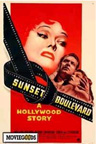
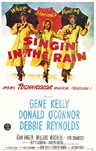
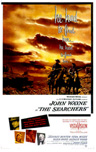
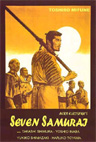
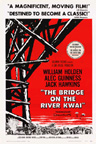
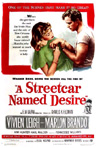
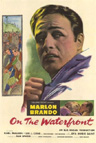
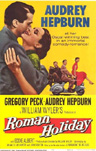
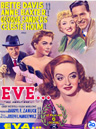
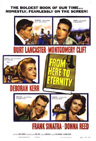
 Marlon Brando
 Gloria Swanson